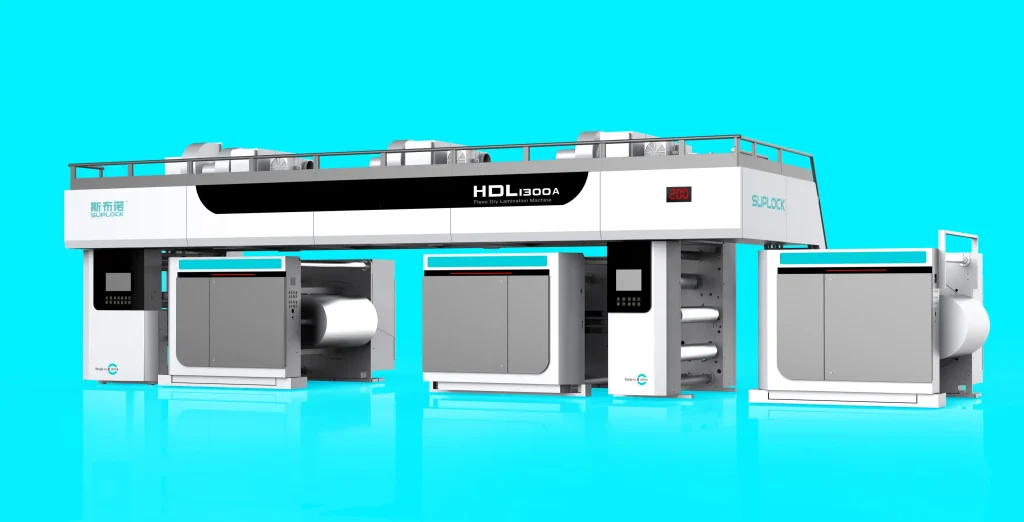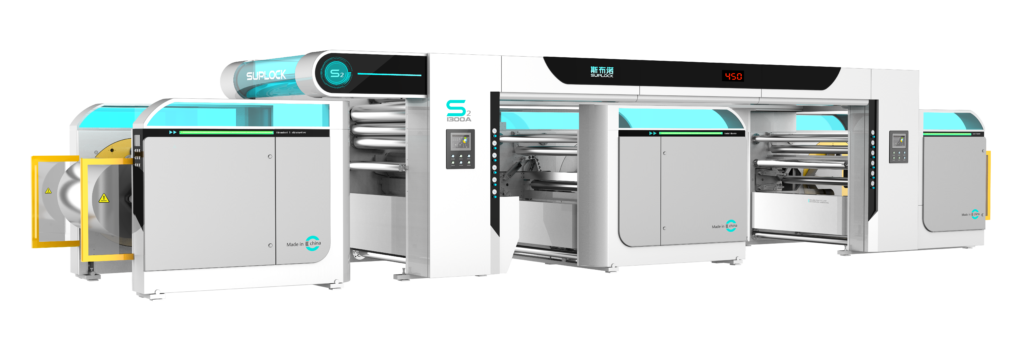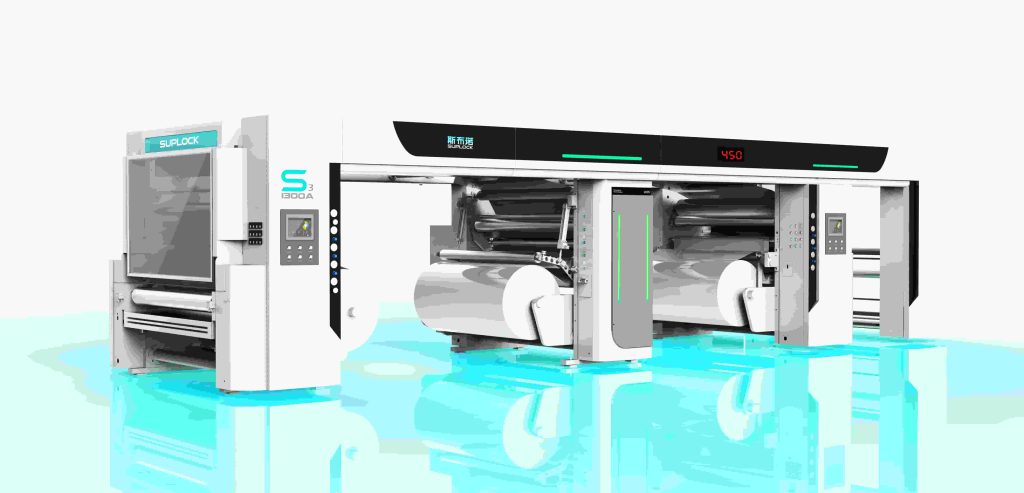
Choosing the Right Dry or Solventless Lamination Machine: Avoid Costly Procurement Mistakes

The decision to procure a lamination machine has shifted from being purely technical to a strategic investment that will directly impact the production efficiency, regulatory compliance, operating costs, and long-term competitiveness of the manufacturing and packaging industries. With the moment of diverse and sustainable market demands, the need to know the priority of various industries in equipment features has become indispensable.
Modern procurement talks are mainly influenced by two technologies: the dry lamination machine and the solventless laminating machine. Although both have been accepted as satisfactory solutions, their fit is determined quite differently by the application, the industry standards, and the financial setup. For instance, different sectors such as food packaging and electronics might have different procurement priorities, which, in turn, will have an impact on the choice of equipment.
This article delivers a comparison, industry-wise analysis of lamination machine purchase needs, specifically intended for purchasing managers who want to evaluate performance, compliance and total cost of ownership (TCO) along the same lines.
Key Procurement Evaluation Criteria for Lamination Machines
Different industries have different needs, and thus there is a need for comparison of lamination machines in terms of common criteria set by the procurement teams:
- Lamination Process Type: The choice of solvents for either dry lamination or solvent-free processes will usually be the first decision point.
- Material Compatibility: The materials, ranging from films, aluminum foil, paper, multilayer composites, or functional materials, will be the most critical factor from the compatibility aspect.
- Production Efficiency: The combination of line speed, uptime, and process stability will have an impact on the total unit costs and delivery schedules.
- Regulatory and Environmental Compliance: Check for VOC emissions, food safety standards, and environmental regulations, which will help in getting procurement approvals through one of the major ways.
- Automation and Usability: Labor efficiency will be influenced by operator dependency, setup time, and integration with MES/ERP systems.
- Total Cost of Ownership (TCO): Besides the purchase price, procurement managers must take into account energy, consumables, maintenance, and lifecycle costs.
The above-mentioned criteria will act as a foundation for comparing a dry lamination machine with a solventless laminating machine in an industry context.
Lamination Machines in the Food and Beverage Packaging Industry
Procurement Priorities
When it comes to food and beverage packaging, safety, compliance, and brand risk management are the main factors that influence procurement decisions. The packaging must comply with very strict food-contact regulations, and at the same time, production lines are required to operate continuously with the least downtime possible.
Key procurement concerns include:
- Compliance with FDA, EU, and local food safety regulations
- Low odor and low migration risk
- High-speed production for mass-market packaging
Preferred Machine Type
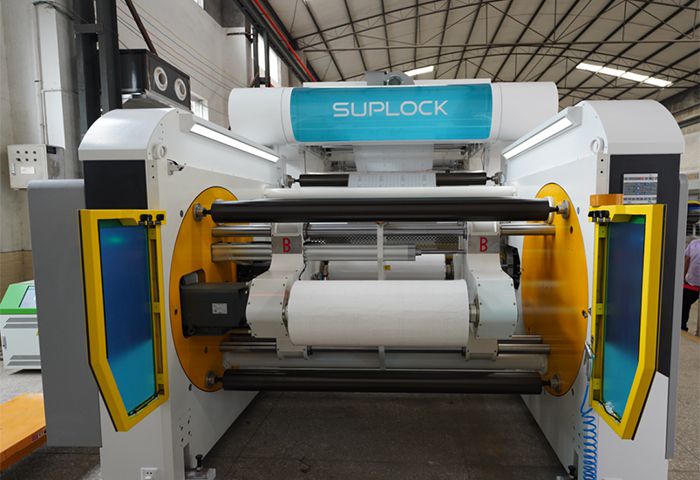
For most food packaging applications, the solventless laminating machine has become the preferred procurement choice. Its solvent-free process eliminates VOC emissions and reduces the risk of solvent residue in packaging materials.
From a procurement perspective, this simplifies compliance audits and reduces the need for costly solvent recovery systems.
Buyer Decision Logic
Procurement managers typically prioritize:
- Proven performance with food-grade adhesives
- Fast curing systems to minimize work-in-process inventory
- Reliable after-sales support for continuous operation
While the initial purchase cost may be higher, the reduced operating complexity and regulatory risk often justify the investment.
Lamination Machines in the Pharmaceutical and Medical Packaging Industry
Procurement Priorities
In the fields of pharmaceutical and medical packaging, consistency and traceability always take precedence over the factors of speed and cost. Therefore, for procurement managers, it is of utmost importance to obtain equipment that not only supports the production process but also meets the requirements for documentation and validation.
Key priorities include:
- Extremely stable lamination quality
- Compatibility with cleanroom environments
- Support for validation protocols (IQ/OQ/PQ)
Preferred Machine Type
The sector is making extensive use of high-precision solventless laminating machines, mainly for their cleanliness in operation and process repeatability. Nevertheless, when it comes to certain specialized applications that require specific coating characteristics, advanced dry lamination machines are still being utilized.
Procurement Risk Considerations
From a procurement standpoint, supplier selection is as important as machine specifications. Buyers focus on:
- Long-term service capability
- Availability of spare parts
- Experience in pharmaceutical-grade applications
In this industry, procurement managers often favor lower-risk suppliers even if unit pricing is higher.
Lamination Machines in the Flexible Packaging and Consumer Goods Industry
Procurement Priorities
The flexible packaging and consumer goods industry introduces a new challenge: a variety of products. Procurement managers have to deal with the support of frequent product changes, different materials, and irregular order volumes.
Key requirements include:
- High flexibility across multiple packaging structures
- Quick changeover and setup times
- Balanced cost-efficiency
Preferred Machine Type
In this segment, both dry lamination machines and solventless laminating machines coexist. Procurement decisions often depend on product positioning:
- Premium or eco-focused brands tend to favor solventless solutions
- Cost-sensitive or legacy product lines may still rely on dry lamination
Cost-Benefit Evaluation
Procurement managers evaluate:
- Machine versatility versus specialization
- Return on investment (ROI) across different product mixes
- Operator training and maintenance complexity
A machine that supports multiple product types often offers better long-term procurement value, even if initial performance is slightly lower than a dedicated system.
Lamination Machines in the Electronics and Industrial Materials Industry
Procurement Priorities
In electronics, insulation materials, and industrial laminates, precision and material control are paramount. These industries often deal with functional films, specialty coatings, and tight tolerances.
Key procurement considerations include:
- Accurate tension and coating control
- Stable thermal management
- Compatibility with non-standard materials
Preferred Machine Type
Here, the dry lamination machine remains a strong procurement choice. Its process flexibility and ability to handle complex materials make it suitable for demanding industrial applications.
Technical Evaluation Focus
Procurement managers work closely with engineering teams to assess:
- Customization capabilities
- Integration with existing production lines
- Process repeatability under long production cycles
In many cases, procurement decisions prioritize technical reliability over environmental advantages.
What Makes Solventless Laminating Machines More Popular?
Sustainability is no longer a marketing concept—it is a procurement requirement. Many organizations now incorporate ESG criteria into equipment sourcing policies.
From a procurement perspective:
- Solventless laminating machines support lower carbon footprints
- Reduced energy consumption and waste improve lifecycle economics
- Compliance with future regulations lowers long-term risk
As a result, even traditionally conservative industries are reassessing solventless technology as part of long-term procurement planning.
Summary: Lamination Machine Selection Guide for Procurement Managers
| Industry | Core Procurement Requirements | Recommended Machine Type | Key Decision Factors |
| Food Packaging | Food safety compliance | Solventless Laminating Machine | Compliance with FDA / EU standards |
| Low odor & low migration risk | Adhesive curing efficiency | ||
| High-speed, continuous production | Total cost of ownership (TCO) | ||
| / | Supplier’s food-industry experience | ||
| Pharmaceutical & Medical Packaging | Process consistency & traceability | High-Precision Solventless Laminating Machine (Selective use of Dry Lamination Machine) | IQ/OQ/PQ support capability |
| Cleanroom compatibility | Process stability over long runs | ||
| Validation & documentation support | After-sales service reliability | ||
| / | Risk mitigation priority over price | ||
| Flexible Packaging & Consumer Goods | Multi-material compatibility | Dry Lamination Machine or Solventless Laminating Machine | Versatility vs specialization |
| Frequent product changeovers | ROI across mixed product lines | ||
| Cost-efficiency & flexibility balance | Operator training & setup time | ||
| / | Long-term scalability | ||
| Electronics & Industrial Materials | High coating precision | Dry Lamination Machine | Customization capability |
| Advanced tension & thermal control | Material adaptability | ||
| Compatibility with functional films | Process repeatability | ||
| / | Integration with existing production lines |
From a procurement manager’s viewpoint, lamination machine selection is fundamentally industry-driven, not technology-driven:
- Food and pharmaceutical industries prioritize compliance, cleanliness, and risk reduction, making solventless solutions the dominant procurement choice.
- Flexible packaging manufacturers value versatility and cost balance, often maintaining a mixed equipment strategy to support diverse product portfolios.
- Electronics and industrial sectors focus on precision, stability, and material adaptability, where dry lamination machines continue to deliver strong technical advantages.
There is no universally “best” lamination machine. The optimal solution is always the one that best aligns with industry requirements, regulatory exposure, production strategy, and long-term procurement planning.
FAQs
Q1: Which industries benefit most from solventless laminating machines?
Food, pharmaceutical, and sustainability-driven packaging industries benefit most due to regulatory and environmental requirements.
Q2: Is a dry lamination machine still relevant today?
Yes. Dry lamination machines remain essential for electronics, industrial materials, and specialized applications requiring advanced process control.
Q3: How should procurement managers compare lamination machines?
By evaluating application fit, compliance requirements, lifecycle costs, and supplier capability—not just technical specifications.