5 Reasons Labs Are Switching to Compact Laminators in 2026

If you’ve ever had to navigate around a bulky laminating machine just to reach your workstation, you already understand the problem. Laboratory space is never abundant, and every piece of equipment has to earn its place on the bench. Full-size laminators were once the default choice — reliable, yes, but often oversized for what most labs actually need day to day.
That’s starting to change. More laboratories are moving toward compact laminators, and the reasons go beyond just saving space. From faster workflows to better portability between departments, the shift makes practical sense. Here’s a closer look at what’s driving it.
Reason 1 — They Save Valuable Bench Space
Why Lab Bench Space Is Always at a Premium
In most lab environments, bench space is allocated carefully. Microscopes, centrifuges, analytical balances, and sample storage all compete for the same surface area. Adding an oversized laminator into that mix means either crowding the bench or finding a dedicated table — which is rarely an option in shared facilities.
How Much Space Does a Compact Laminator Actually Take?
Compact laminators typically measure between 30–40 cm in length and weigh under 2 kg, compared to full-size models that can stretch beyond 60 cm and require a fixed location. That difference matters when you’re working in a space where every centimeter is spoken for. A compact unit can sit at the edge of a bench, be stored in a cabinet when not in use, and still deliver consistent laminating results.
For labs operating under space constraints — which, honestly, is most of them — that footprint reduction is a genuine advantage, not just a feature on a spec sheet.
Reason 2 — Fast Warm-Up Means No Workflow Interruptions
The Problem with Slow Machines in a Fast-Paced Lab
Lab work often runs on tight schedules. Whether it’s prepping materials before a session or laminating documentation between procedures, waiting several minutes for a machine to reach operating temperature adds friction to an already structured workflow. It’s a small delay, but repeated across a workweek, it adds up.
Compact Laminators Heat Up in Seconds
Most compact laminators reach operating temperature in under 60 seconds — some in as little as 30 seconds. That means you can laminate a label, SOP card, or sample reference sheet without stopping what you’re doing to wait for the machine. According to Wirecutter’s laminator testing methodology, warm-up time is consistently one of the top factors users cite when evaluating laminator performance in frequent-use environments.
For labs that don’t laminate in high volumes but need the function available on demand, quick warm-up is one of the most practical features a compact machine offers.
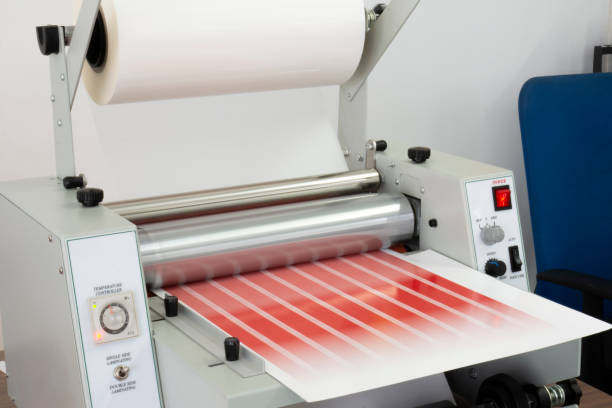
Reason 3 — Purpose-Built for Lab Documents and Sample Labels
What Labs Typically Need to Laminate
The laminating needs in a laboratory setting are quite different from those in a school or office. Most commonly, labs laminate:
- Sample identification labels
- Reagent and chemical reference cards
- Standard Operating Procedure (SOP) sheets posted at workstations
- Inspection or calibration records
- Safety information cards
These are almost always small-format materials — often A5 or smaller — and they need to withstand exposure to moisture, handling, and in some cases, chemical splashes.
Why Smaller Machines Handle Small-Format Materials Better
Full-size laminators are designed with wider feed paths, which can make feeding small pouches less precise. Compact models, by contrast, are optimized for smaller formats and tend to feed more consistently at those sizes. The result is fewer misfeeds, cleaner edges, and less wasted material.
Beyond format compatibility, lamination itself serves an important protective function in lab environments. The National Institutes of Health’s laboratory safety guidelines emphasize the importance of clearly posted, durable safety documentation — laminated materials hold up significantly longer in active lab settings than unprotected paper.
For labs that also work with heat-sensitive labels (such as those used on cryogenic samples), compact laminators that support cold lamination add another layer of practical utility without requiring a separate device.
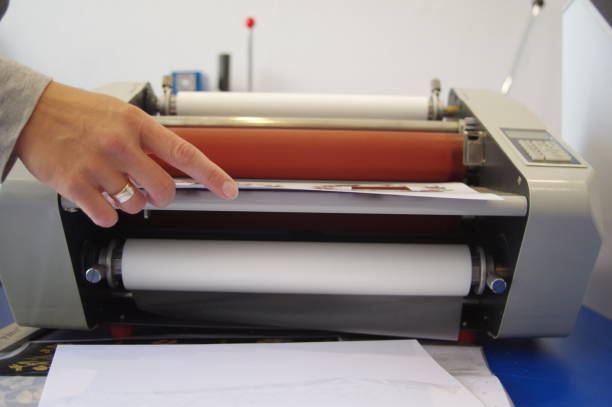
Reason 4 — Lower Power Consumption Meets Lab Safety Standards
Energy Regulations in Laboratory Environments
Laboratories often operate under strict guidelines when it comes to electrical equipment. Power draw, heat generation, and equipment certification all factor into what gets approved for use on the bench. Full-size laminators, particularly older models, can consume 400–600W during operation — a consideration that’s easy to overlook until it becomes a compliance issue.
Compact Laminators Are Energy-Efficient by Design
Compact laminators typically consume between 100–200W, which puts them comfortably within the range of standard lab-approved equipment. Lower wattage also means less heat generated in the surrounding area, which matters in environments where temperature control is a factor.
The U.S. Department of Energy’s guidelines on laboratory energy efficiency highlight equipment power draw as one of the more controllable variables in lab energy management. While a laminator isn’t a high-consumption device in isolation, choosing a lower-draw model aligns with broader sustainability and compliance goals that many institutions are working toward.
Reason 5 — Easy to Share Across Departments and Move Between Rooms
The Multi-Department Sharing Problem
In larger facilities, multiple departments may need occasional access to a laminator — quality control, documentation, safety, and research teams, for instance. If the laminator is a large, fixed unit in one location, sharing it means people physically moving to that location. That’s workable, but inefficient, and it often leads to each department requesting its own machine.
Portability Makes Compact Laminators a Smarter Investment
A compact laminator can be moved between rooms easily, shared across teams without being a logistical issue, and stored out of the way when not in use. At under 2 kg for most models, it doesn’t require a dedicated trolley or setup procedure — it’s genuinely portable in the practical sense.
From a procurement standpoint, a single compact unit that rotates across departments is a more cost-effective solution than multiple full-size machines sitting idle in separate rooms. For lab managers working with constrained equipment budgets, that flexibility has real financial value.
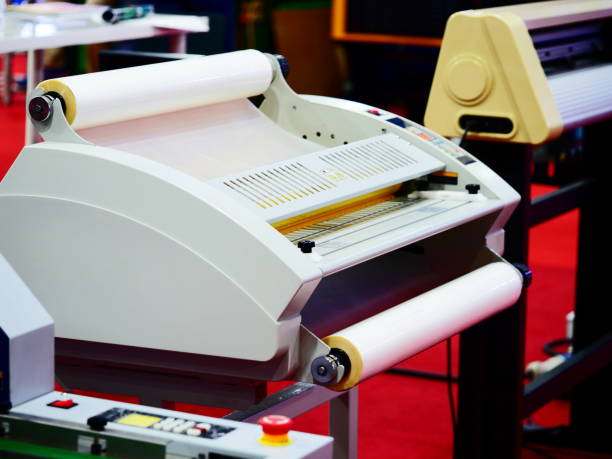
What to Look for When Choosing a Compact Laminator for Your Lab
Not all compact laminators are built with laboratory use in mind. Before purchasing, it’s worth evaluating a few specific factors:
Pouch size compatibility. Make sure the machine supports the formats you use most — particularly if you regularly laminate A5 or smaller materials. Some compact models are limited to A4 width, which may or may not suit your needs.
Warm-up speed. In a lab context, on-demand availability matters more than high-volume throughput. Look for a warm-up time under 60 seconds.
Temperature consistency. Labs often deal with documents that require uniform lamination quality. Inconsistent roller temperature leads to uneven adhesion and bubbling — a consistent heat output across the roller width is worth prioritizing.
Cold lamination support. If you work with heat-sensitive labels or thermal-printed materials, a machine that supports cold lamination pouches gives you more flexibility without needing a second device.
Build quality and durability. Lab environments can be demanding. A laminator with a well-built housing and reliable roller mechanism will hold up better over time than a budget model designed primarily for light home use.
Conclusion
The shift toward compact laminators in lab settings isn’t driven by trend — it’s driven by practicality. Smaller footprint, faster warm-up, better handling of small-format materials, lower power draw, and genuine portability all address real constraints that labs deal with every day. Full-size machines still have their place in high-volume environments, but for most laboratories, they’re simply more than what’s needed.If you’re evaluating laminating solutions for your facility, Mini 500 compact model built with lab use in mind is worth a close look. The right machine doesn’t have to be the biggest one in the room — it just has to do the job reliably, every time.