Why Are More Liquid Food Manufacturers Choosing Flexible Pouches?

The liquid food industry has experienced a major transformation during the last few years. Flexible pouches have become the new standard for packaging products that used to require glass bottles and rigid plastic containers and metal cans. The format is now found in retail stores which sell both sauces and soups and dairy products and fruit purées.
The change occurs because multiple factors work together to create their current situation. The situation arises from different aspects which include cost factors and logistics efficiency and customer needs and technical ability and environmental sustainability requirements. The understanding of these elements enables us to comprehend the reasons behind the increasing adoption of flexible pouches by liquid food producers.
Lower Total Packaging and Transportation Costs
The price advantages all directly lead to the changes which have occurred. Flexible pouches need fewer raw materials than rigid containers because they use less material to create their packaging. A multilayer film structure can provide the necessary strength and barrier properties while using significantly less plastic than a thick bottle wall. The packaging material reduction creates two benefits because it decreases packaging expenses while making the product lighter.
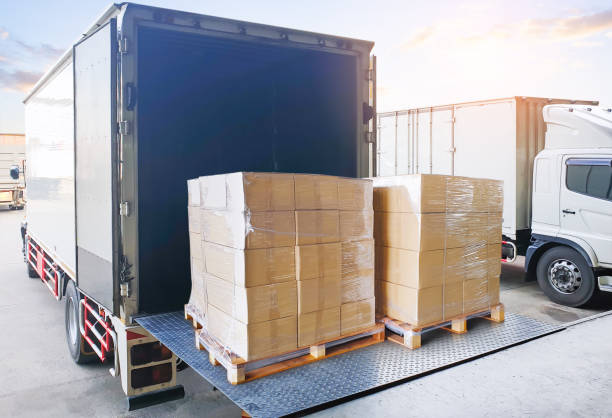
Lighter packaging provides measurable advantages for transportation. Flexible pouches occupy less space before filling because they can be transported in roll form or as flat bags. Filled products still provide better options for case packing and palletization. The resulting system enables manufacturers to boost container loading rates which leads to decreased shipping costs.
In addition, flexible packaging is less prone to breakage compared to glass. Lower damage rates during transport and handling contribute to cost stability throughout the supply chain.
Better Shelf Impact and Consumer Convenience
Multiple benefits exist for retail situations because flexible pouches deliver savings that extend beyond operational costs.
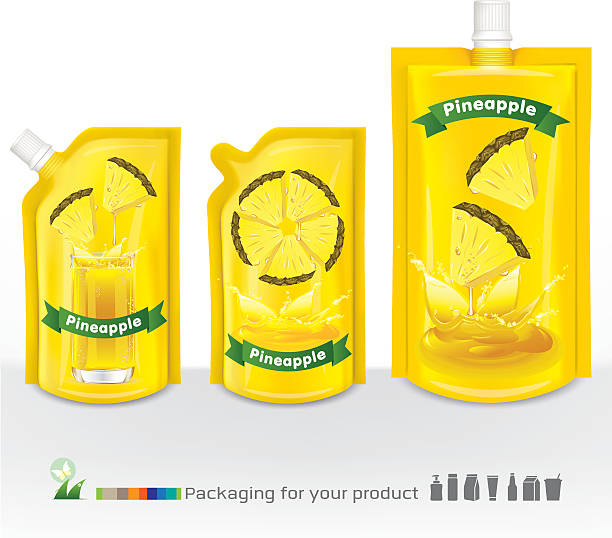
Stand-up pouches provide strong shelf presence. Their surface area which supports printing enables them to display both high-quality graphics and detailed product information. The visual space of traditional rigid packaging shows more design flexibility because it allows brands to design their packaging according to their specific requirements.
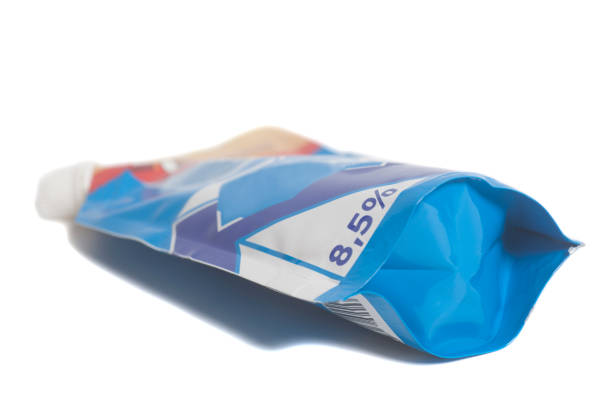
Customer convenience becomes a major factor. Resealable caps and spouts on liquid pouches enable users to pour and reuse the pouches multiple times. This function helps consumers who use sauces or beverages because it enables them to measure their portions while it decreases their product waste. Lightweight packaging enables children and elderly people to carry items because they find it easier to handle.
Product design improves user experience because it affects user choices during product selection.
Strong Barrier Protection for Liquid Foods
Liquid food packaging requires performance as its primary requirement. Flexible pouches function as more than basic thin plastic bags because they contain multiple layers of laminated material which safeguard product integrity.
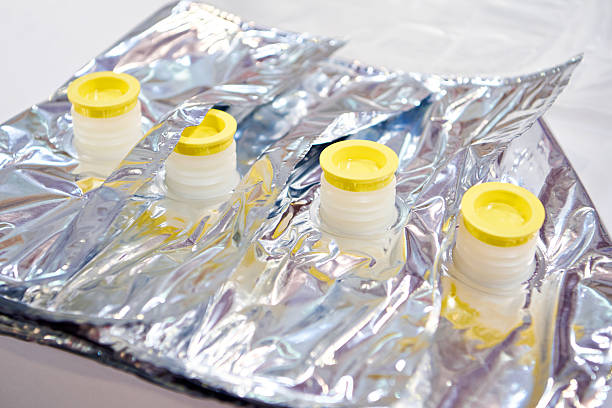
Common structures combine materials such as PET, nylon, and polyethylene. High-barrier layers which include EVOH and aluminum foil become necessary for applications that demand extended product shelf life. The layers function to decrease both oxygen transmission and moisture ingress which makes an impact on flavor and texture and food safety.
Engineered flexible pouches develop barrier performance which matches the protection offered by various rigid packaging options. The packaging system operates effectively with different liquid food products which include dairy items and ready-to-eat soups and sauces and fruit-based beverages.
Adaptability to Different Filling Processes
Another important reason for adoption is process compatibility.
Flexible pouches can be designed to withstand various filling methods which include hot-fill aseptic filling and retort processing. The inner sealant layer for hot-fill applications needs to maintain its integrity when exposed to high-temperature conditions. The laminate structure in retort applications needs to withstand high heat and pressure while maintaining its seal and material integrity.
Flexible pouches enable manufacturers to operate their production processes because they can use the same equipment for different products. Pouch designs need to be updated because filling equipment development requires changes to thickness and sealant formulation and laminate structure in order to achieve intended performance results.
Sustainability and Environmental Pressure
Sustainability now serves as a major factor that companies use to determine their packaging choices.
Flexible pouches generate reduced transportation emissions because they need fewer materials and their weight remains lower than that of rigid packaging options. The total carbon footprint decreases because material usage decreases.
The industry is advancing its development of mono-material packaging which can be recycled. The recycling process for multilayer packaging faces difficulties yet material innovations continue to research solutions to these problems. Manufacturers are testing recyclable polyethylene-based systems together with additional methods which achieve performance targets while maintaining environmental sustainability.
The growing focus on sustainability metrics by retailers and regulators makes flexible packaging suitable for companies that aim to achieve environmental sustainability targets.
Manufacturing Efficiency and Production Scalability
The production process of flexible pouch manufacturing has achieved greater operational efficiency through its current production methods.
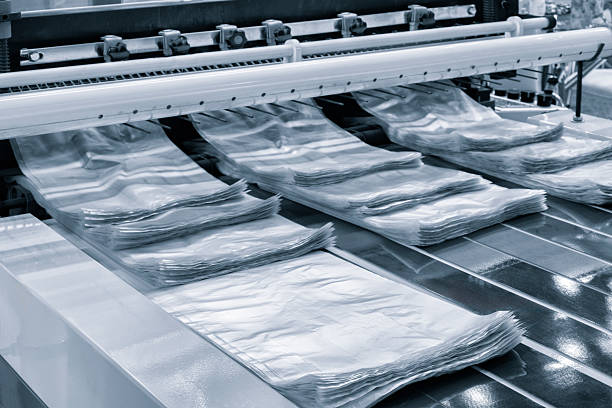
The improvements in lamination and converting technologies enable stronger bonds, lower defect rates, and faster production processes. Liquid packaging needs stable lamination processes because weak bonding results in either delamination or leakage during stressful conditions.
The current technology enables operators to manage coating weight and tension and curing conditions with exact precision. The ability to control these parameters enables manufacturers to produce consistent laminate quality, which becomes essential for products that undergo hot filling and retort sterilization processes.
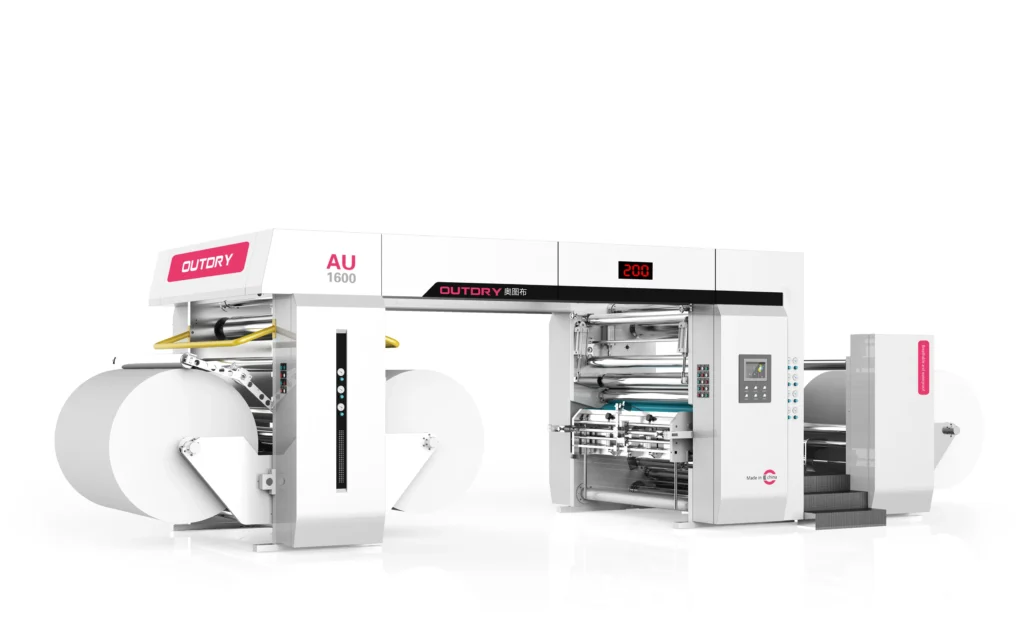
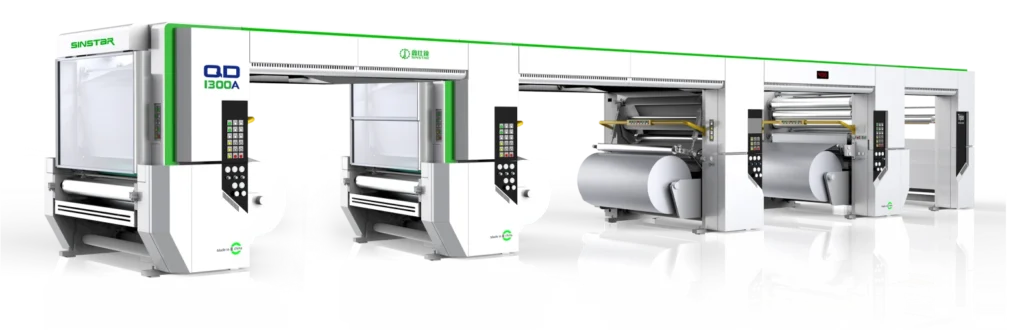
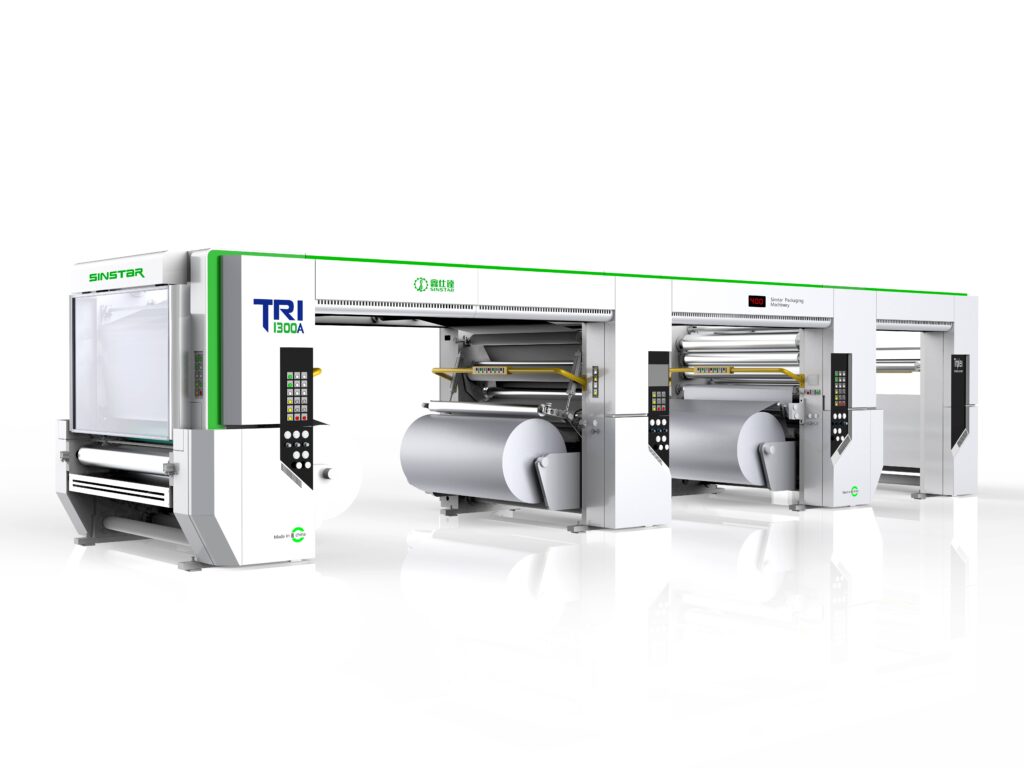
The production process of flexible pouch manufacturing achieves optimal efficiency while creating minimal waste, which enables medium-sized producers to operate at the same scale as large multinational brands. Sinstar develops machines which use high precision lamination technology to maintain uniform adhesive application while enabling controlled curing processes and fast manufacturing speeds. The system enables manufacturers to achieve higher production efficiency by decreasing defect rates and increasing product yield.
Are Flexible Pouches Suitable for All Liquid Foods?
Flexible pouches offer advantages to users but their design limits them to specific situations.
Carbonated beverages, for example, still rely heavily on rigid bottles due to internal pressure requirements. Specific barrier properties which different applications need can be achieved most effectively through traditional materials.
Flexible pouches offer food manufacturers an affordable solution that delivers adequate performance while maintaining environmental sustainability for their non-carbonated liquid food products.

The Market of Liquid Packaging Pouch
The increasing use of flexible pouches by liquid food producers arises from various factors that work together to create this trend. The business gains profit increases because both material costs and transportation expenses have reduced. Consumer demand exists because products provide better shelf display and easy-to-use features. The advanced multilayer structures provide protection for products. The system allows users to operate their business differently because it can work with current filling methods. The format maintains its strategic value for the future because of sustainability requirements.
The movement toward flexible pouches represents a permanent change because it affects both manufacturing methods and market demands. The development of materials and processing technologies will result in increased usage of these technologies for liquid food packaging.