How Pet Food Packaging Requirements Affect Lamination Process and Equipment?

Not all flexible packaging performs the same job. A snack pouch and a wet cat food pouch may look similar on a converting line, but the demands placed on each structure — and the lamination process behind it — are genuinely different.
Pet food packaging has to contend with a set of product characteristics that push standard lamination performance to its limits.
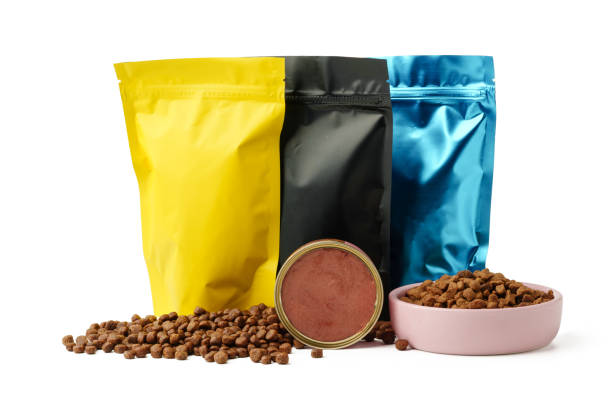
High fat and oil content is one of the more underappreciated challenges. Many pet food formulations — especially wet foods and high-protein kibble — contain significant levels of animal fat. Over time, these lipids migrate toward the packaging structure and can degrade adhesive bond integrity from the inside out. This is not a problem that shows up immediately after production; it develops during shelf life, which makes it harder to catch in standard quality checks.
Oxygen sensitivity is another pressure point. The difference between a product with a 12-month shelf life and one that degrades in four months often comes down to how well the packaging controls oxygen transmission. For many pet food categories, particularly wet and semi-moist formats, the oxygen transmission rate (OTR) requirement is measured in fractions of a cubic centimeter per square meter per day — a performance level that demands precise, consistent lamination rather than a close approximation.
Odor control is an area where pet food packaging has almost no tolerance for error. Consumers are acutely sensitive to off-odors in food packaging, and regulatory standards in many markets add a compliance layer on top of that. Residual solvents, adhesive outgassing, and inadequate drying after lamination are all sources of odor contamination that might pass unnoticed in industrial packaging but will trigger rejections in food-grade applications.
Extended shelf life requirements tie everything together. A packaging structure that performs adequately for the first three months but begins to delaminate or lose barrier performance at month eight is not fit for purpose in most pet food categories. The packaging has to maintain its structural and barrier properties across the entire declared shelf life, under real-world storage conditions.
These characteristics don’t just influence material selection. They directly affect how stable and demanding the lamination process needs to be — and that’s the part of the conversation that often gets less attention than it deserves.
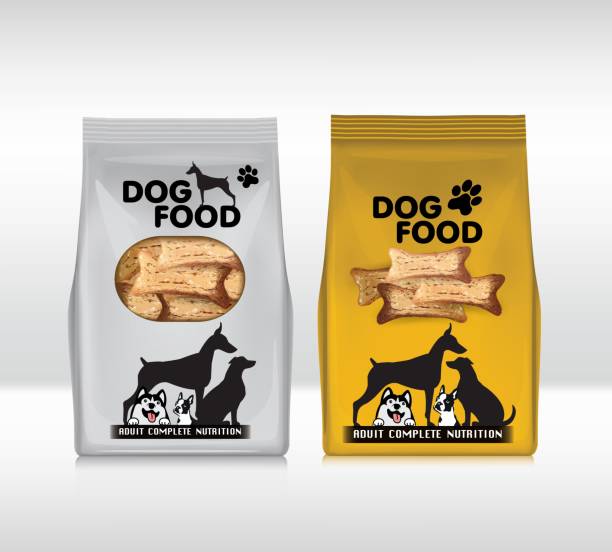
Common Lamination Structures Used in Pet Food Packaging
The lamination structure determines what the packaging can do. In pet food, the choice of structure is almost always driven by a combination of barrier requirements, product format, cost targets, and increasingly, sustainability commitments. Each structure type brings its own set of process considerations.
High-barrier structures such as PET/AL/PE are widely used for wet food and products requiring extended shelf life. Aluminum foil provides excellent protection against oxygen and moisture, but it also demands stable bonding across layers. Any inconsistency in adhesive application or curing can lead to delamination.
Metallized film structures, such as PET/VMPET/PE, offer a balance between cost and barrier performance. While they are more flexible than foil-based laminates, they can still present challenges, particularly in maintaining consistent layer adhesion during high-speed production.
More recently, mono-material structures like PE/PE have gained attention due to sustainability initiatives. However, these structures often require more precise process control. Without the natural “compatibility” provided by different material layers, the lamination process becomes more sensitive to variations in coating, pressure, and curing.
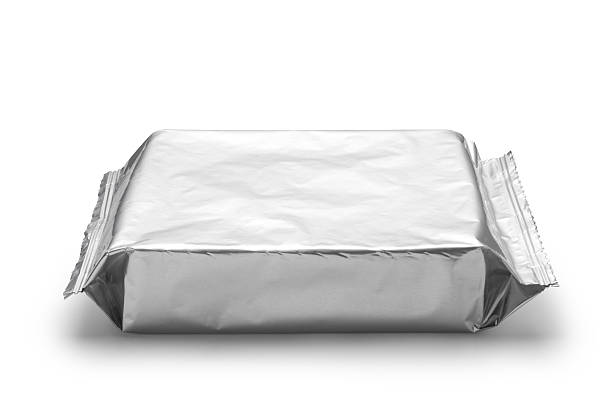
Key Lamination Challenges in Pet Food Packaging
Understanding what can go wrong during lamination — and why it goes wrong — is the starting point for getting it right. In pet food applications, the margin for error is smaller than in many other packaging categories.
Delamination is one of the most common. It may not appear immediately, but over time, layers begin to separate. This can be caused by insufficient adhesive strength, poor curing, or interference from migrating oils. In many cases, the issue is not a single mistake, but a combination of small deviations.
Odor-related problems are another frequent concern. Residual solvents, incomplete adhesive reactions, or even material interactions can lead to unwanted smells. These are particularly noticeable in pet food packaging because the contents themselves often carry strong aromas.
Inconsistent coating is also a challenge, especially in high-speed operations. Variations in adhesive application can create weak points in the laminate, leading to uneven performance across a single batch.
Finally, high-barrier materials can be difficult to process. Their rigidity and limited processing window make them less tolerant of fluctuations in tension or temperature. Small inconsistencies can translate into visible defects or structural weaknesses.
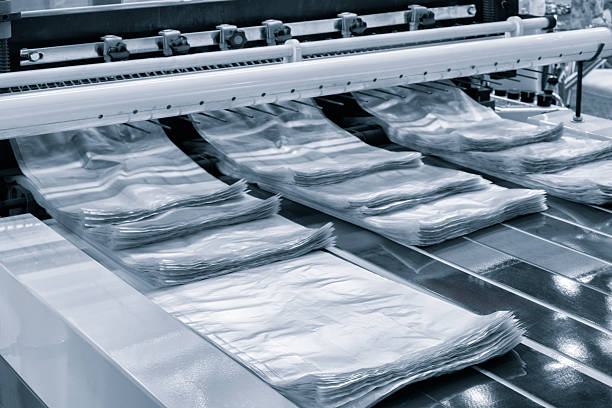
How Lamination Process Parameters Influence Final Packaging Performance?
The relationship between process parameters and finished package quality is direct, but it’s not always intuitive. In pet food packaging, where specifications are tighter and product characteristics are more aggressive, small parameter deviations have a larger impact than they would in less demanding applications.
This is why equipment capability becomes a decisive factor rather than a secondary consideration. In practice, the key question is not whether a laminator can successfully produce a pet food packaging structure once under controlled conditions. The more important question is whether it can maintain stable performance over a full production cycle, especially when running high-barrier films for extended periods such as an 8-hour shift. This distinction often determines whether a production line is truly reliable or only conditionally workable.
Given these sensitivities, equipment capability becomes more than just a matter of speed or output. It directly affects whether the process can remain stable over time.
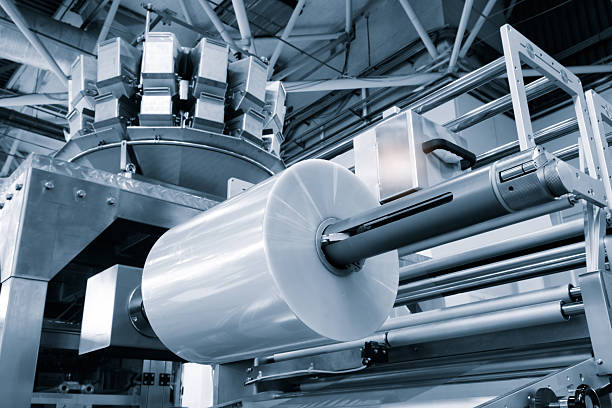
Precision in adhesive application is essential. Equipment that can maintain consistent coating weight helps reduce variability at the source, preventing many downstream issues.
Stable tension control systems are equally important. They ensure that different materials behave predictably during lamination, even at higher speeds.
Temperature management also plays a role, particularly in controlling adhesive behavior and minimizing residuals. Consistent drying and curing conditions are key to avoiding odor-related problems.
In addition, flexibility is becoming increasingly relevant. As the industry moves toward solventless processes and more sustainable materials, equipment must be able to adapt without compromising stability.
Without these capabilities, even well-designed packaging structures can become difficult to produce reliably.
Pet Food Packaging Future Trends
The direction of travel in pet food packaging is clear: brands are under pressure to move toward recyclable structures, and that pressure is coming from multiple directions simultaneously — regulation, retailer sustainability commitments, and consumer preference. What’s less commonly discussed is what this means for the lamination process specifically.
Mono-material structures are the centerpiece of the recyclable flexible packaging transition. In principle, an all-PE or all-PP structure can be collected, sorted, and reprocessed. In practice, the lamination process for these structures is significantly more constrained than for conventional multi-material laminates. PE films have lower stiffness and higher elongation than PET, making tension management more difficult. The bond strength achievable with PE-to-PE lamination using standard adhesive systems is generally lower than with PET-based structures, and the correlation between lamination parameters and final bond strength is less linear — meaning small process deviations produce larger performance variation.
Recyclability versus bond strength is a genuine tension that the industry hasn’t fully resolved. Recycling-compatible structures need to be designed so the laminated layers can be separated in a recycling stream — but the packaging also needs to maintain structural integrity throughout its entire service life. Some adhesive and structure combinations that meet recyclability criteria produce bond strengths that are borderline for high-fat or high-moisture product applications. Converters working in this space are running at tighter margins, and the lamination process control requirements are correspondingly more demanding.
Solventless lamination is no longer a future consideration in most markets — it’s a present requirement for new installations and an increasingly urgent upgrade priority for existing lines. Beyond residual solvent concerns, solventless processes also offer a significant carbon footprint reduction by eliminating solvent recovery and incineration. FINAT and the European Printing Ink Association (EuPIA) have published guidance on solventless adoption pathways for flexible packaging converters.
Conclusion
Pet food packaging is not a variation of standard flexible packaging — it operates at a different specification level. The product characteristics that make the category demanding (high fat content, strict oxygen barriers, odor sensitivity, extended shelf life) don’t just influence material selection; they set the requirements for every step of the lamination process, from adhesive choice to curing protocol to equipment configuration.
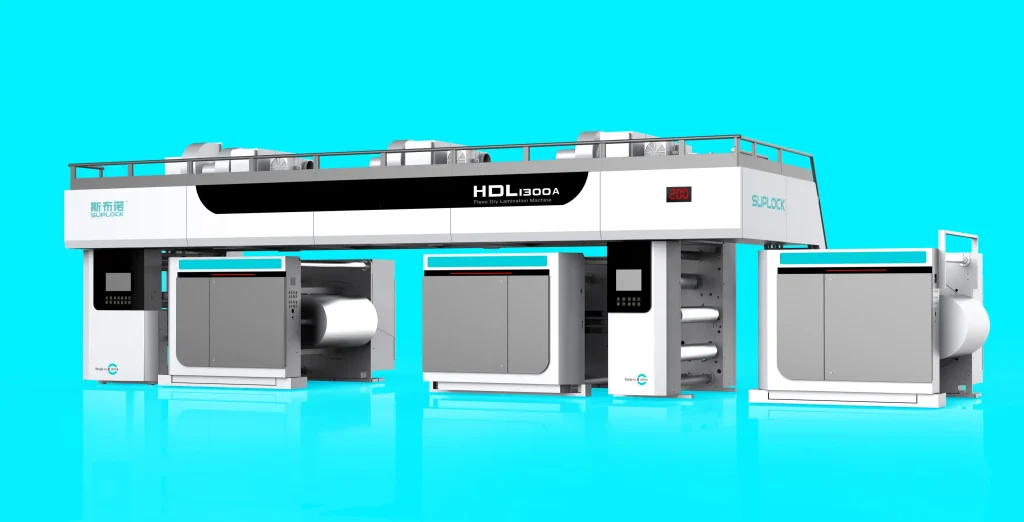
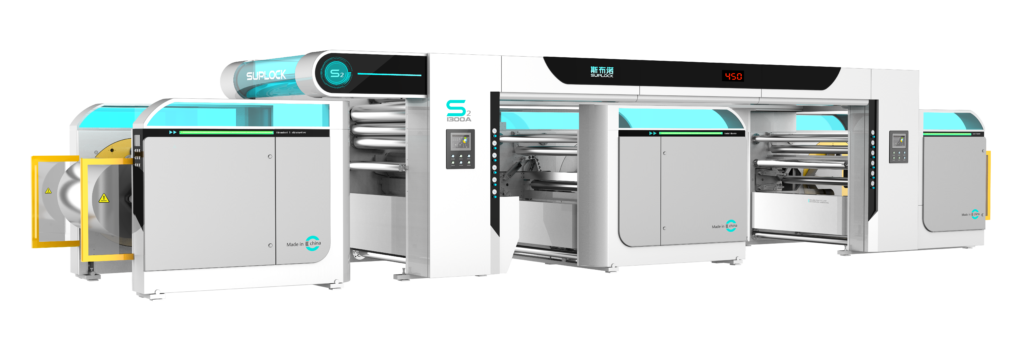
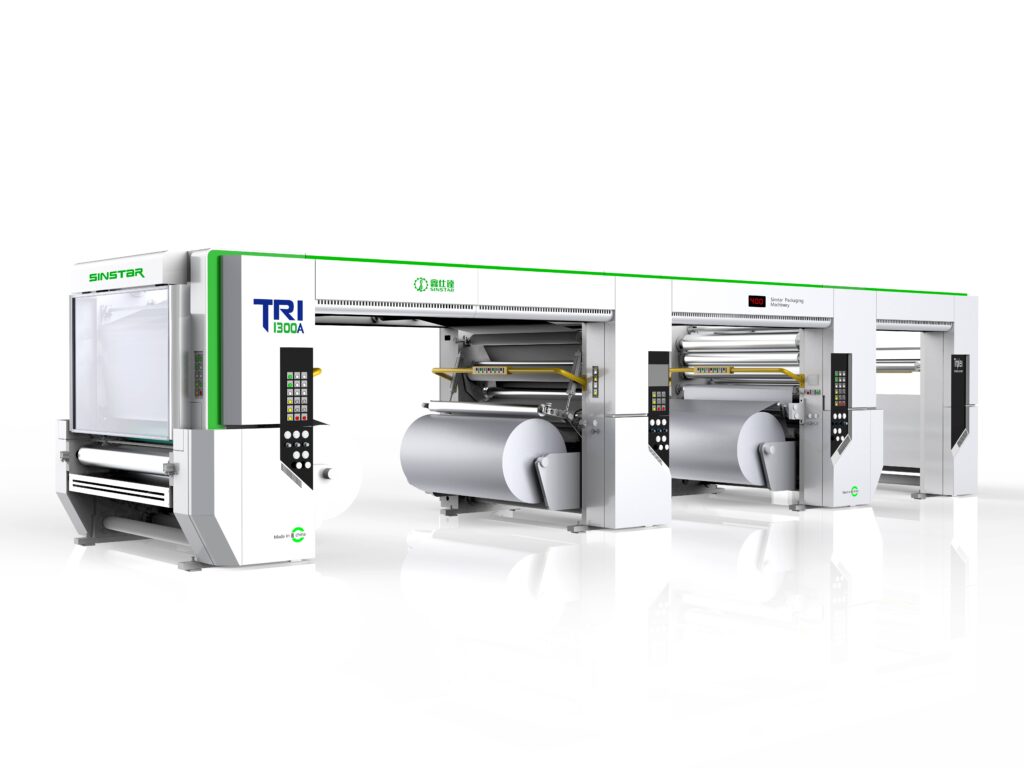
The real difficulty in pet food packaging sits at the lamination stage. A correctly specified structure that is produced on a line without adequate coating precision, tension control, or drying performance will consistently underperform against its theoretical capabilities. Conversely, a well-controlled lamination process on appropriate equipment can reliably produce structures that meet demanding pet food specifications across full production volumes. SINSTAR, as a manufacturer specializing in solventless lamination equipment, has extensive experience across a wide range of flexible packaging applications. If you are working on pet food packaging or facing similar lamination challenges, you are welcome to reach out to discuss your specific requirements.
As the industry moves toward more complex structures — high-barrier mono-materials, solventless adhesives, recyclable formats — the alignment between packaging requirements and lamination capability becomes more important, not less.