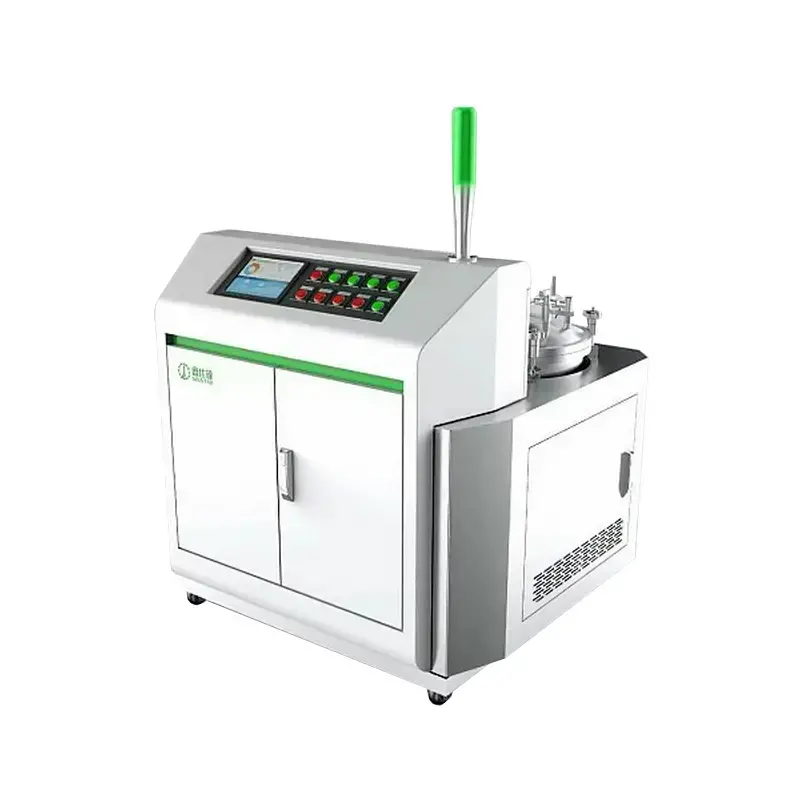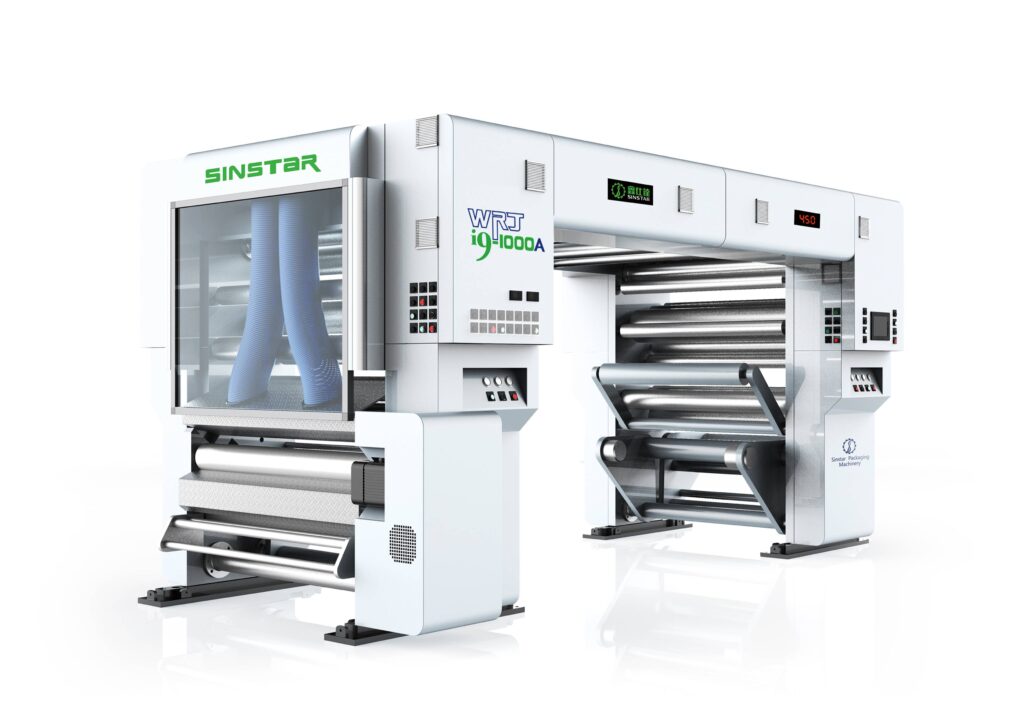
Sinstar MINI-500: High-Precision Mini Laminator for Solventless R&D

The worldwide flexible packaging sector is experiencing a fundamental transformation because of strict environmental regulations and the need for advanced functional materials. The industry shift depends on companies implementing solventless lamination technology, which stops VOC emissions and lowers energy usage. Manufacturers and research institutions need exact measuring devices to move from laboratory tests to industrial production processes. The MINI-500 mini laminator functions as the essential testing equipment that enables validation of new materials and adhesive formulations before their complete implementation.
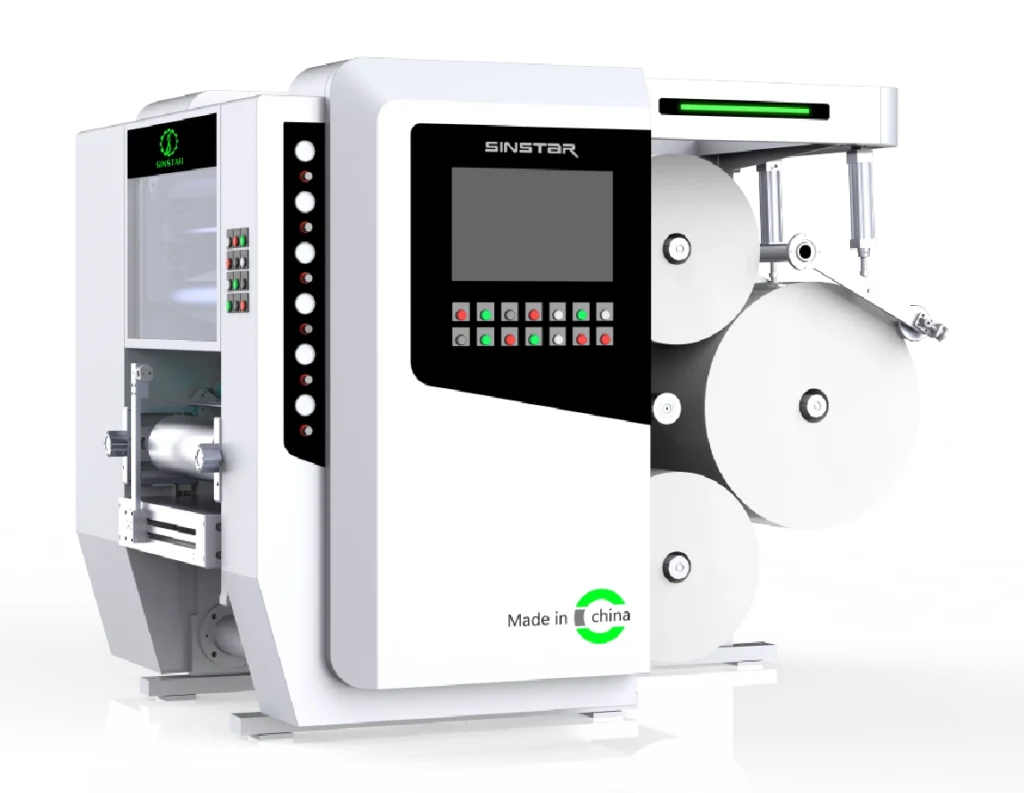
The Role of Small Laminating Machines in Sustainable Development
The global solventless adhesives market shows a projected growth rate of 5.4% through 2030, according to present market information. The growth of this market sector receives support from regulations, which include the EU Packaging and Packaging Waste Regulation (PPWR) and China’s GB/T standards that control VOC emissions. The small laminating machine now functions as a mandatory tool that research and development centers require according to present circumstances.
Industrial laminators need web lengths between 2000 meters and 5000 meters to achieve stable tension and coating weight operations. The process creates substantial material waste because both experimental biodegradable films and high-barrier resins require testing. The MINI-500 lamination machine solves this problem because technical teams can conduct accurate tests with 500mm web widths, which decreases substrate use by 80 percent compared to industrial equipment.
Technical Specifications and Operational Parameters of the MINI-500
The MINI-500 system replicates the mechanical operations of industrial production facilities, which it operates from its compact laboratory design. The system achieves its design objectives through three main technical elements, which include tension control, coating precision, and thermal stability maintenance.
1. Mechanical Architecture and Loading System
The equipment makes use of a cantilevered design to operate its unwinder and rewinder functions. The design allows one person to handle roll operations without needing overhead cranes or extra workers. The system operates at its highest mechanical speed of 400 meters per minute (m/min), which accurately replicates the high-speed industrial lamination processes.
2. Digital Coating Weight Control
A primary challenge in solventless lamination is maintaining a consistent coating weight, typically between 1.0 and 2.5 grams per square meter (gsm). The MINI-500 features a digital input system where the target coating weight is entered directly into the PLC (Programmable Logic Controller). The system automatically synchronizes the gap between the metering rollers and the transfer roller speed. This eliminates the “trial and error” approach common in older mini laminator models.
3. Tension and Thermal Management
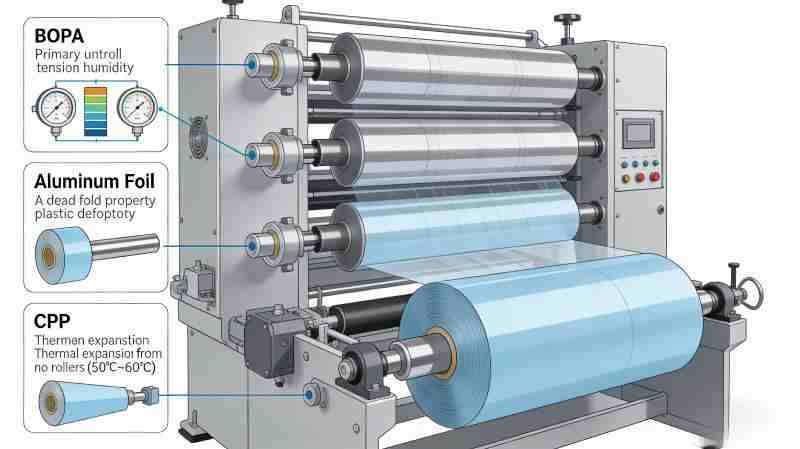
Precise tension control is maintained via high-response AC servo motors. In the lamination of thin-gauge films (e.g., 12-micron PET to 25-micron PE), even a 2% variance in tension can lead to tunneling or curling. The MINI-500 integrates independent temperature control zones for the coating rollers and the steel lamination roller, ensuring that the adhesive viscosity remains optimal for wetting the secondary substrate.
Application Spectrum in New Material Validation
The application of this small laminating machine spans several critical sectors of the packaging value chain:
- Adhesive Formulation Testing: Chemical manufacturers use the MINI-500 to determine the “pot life” and “decay rate” of two-component polyurethane adhesives. It allows for the measurement of initial tack and the bond strength progression during the 24-to-72-hour curing cycle.
- Mono-Material Structures: With the industry moving toward 100% recyclable mono-PE or mono-PP structures, the MINI-500 provides the data required to adjust corona treatment levels and adhesive selection to prevent delamination.
- Barrier Film Development: Testing the compatibility of AlOx or SiOx coated films with solventless adhesives is essential. The MINI-500 enables researchers to check for “metal transfer” or “barrier degradation” during the lamination process without risking expensive commercial stock.
- Digital Printing Integration: As short-run digital printing grows, the need for a mini lamination machine that can match small-batch output becomes vital for prototyping finished pouches.
Economic Impact and Operational Efficiency Data
The investment in a mini laminator like the MINI-500 is justified through a direct Cost-Benefit Analysis (CBA).
- Material Savings: An industrial laminator running at 300 m/min for a 15-minute test consumes 4,500 meters of material. The MINI-500 can achieve the same data points with 200–500 meters of material. At an average substrate cost of $0.05 per square meter, the savings per test run exceed $200.
- Labor Efficiency: Setup time for a large machine typically exceeds 60 minutes, requiring 2-3 technicians. The MINI-500 requires 15 minutes of setup and 1 operator.
- Energy Consumption: The power requirements for the MINI-500 are significantly lower (approx. 15-25 kW) compared to industrial lines that may exceed 100 kW due to larger drying tunnels (though solventless machines lack drying tunnels, the heating of large rollers and high-torque motors in big machines remains energy-intensive).
Future Trends: Automation and Data Integration in Lab Equipment
The upcoming small laminating machines will have improved IoT (Internet of Things) functionality in their next version. The MINI-500 design includes data export functions that enable R&D teams to track lamination parameters (speed, temperature, tension, GSM) with their corresponding lab results (peel strength, COF, optical clarity). The establishment of “Digital Twins” requires this data-driven approach, which helps to decrease errors occurring during the transition from laboratory testing to manufacturing processes.
Frequently Asked Questions (FAQ)
Q1: Can this small laminating machine handle aluminum foil?
Yes. The tension control system is sensitive enough to handle thin-gauge aluminum foil (e.g., 6.3 or 7 microns) without wrinkling or breaking, provided the correct rollers and tension settings are utilized.
Q2: How is the coating weight accuracy verified on a mini laminator?
Accuracy is verified through the “differential weight method.” A sample of the substrate is weighed before and after coating. The MINI-500’s high-precision metering rollers typically maintain a variance of less than ±0.1 gsm.
Q3: Does the MINI-500 require a cleanroom environment?
While not strictly required, it is recommended to operate the mini lamination machine in a temperature and humidity-controlled environment (23°C ± 2°C and 50% ± 5% RH) to ensure the consistency of the adhesive’s chemical reaction and curing speed.