How to Clean Laminator Hot Rolls Without Damaging the Roller Surface?

In any laminating line, hot rolls do much more than simply transfer heat. They directly affect surface finish, bonding consistency, wrinkle control, and the overall appearance of the finished laminate. Once adhesive residue, film dust, or coating build-up starts to collect on the roller, the machine may still run, but product quality usually begins to decline in subtle ways first.
A faint streak, a wrinkle near the nip point, or inconsistent gloss often seems minor at the beginning. However, these early signs are usually the first warning that the hot roller surface needs attention.
The good news is that proper cleaning does not need to be complicated. What matters most is using the right method at the right temperature, while avoiding tools or solvents that can permanently damage the roller’s chrome or silicone surface.
This guide shares a safe and practical cleaning process that helps operators remove residue efficiently while protecting roller life.
Why Hot Roll Cleaning Matters in Industrial Lamination
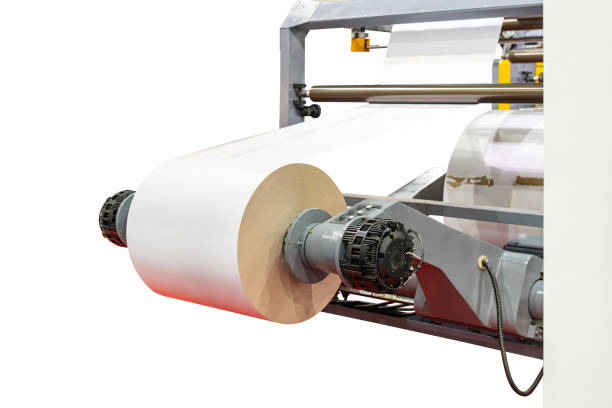
Cleaning is not merely a cosmetic task; it is a critical component of thermal efficiency. When adhesive residue bakes onto a hot roll, it creates an insulation layer. This layer prevents the roller from transferring heat evenly to the film, often resulting in “cold spots.”
If maintenance is neglected, you will likely encounter the following issues:
- Adhesive Build-up: Reduces heat transfer and causes the film to wrap around the roller (wrap-ups).
- Surface Imperfections: Dirty rollers cause “silvering” (tiny air bubbles) and wrinkles in the finished laminate.
- Streak Marks: Hardened residue creates physical indentations or streaks on the film surface.
- Shortened Roller Life: Over time, carbonized glue can pit the surface of a chrome roller or tear the skin of a silicone roller.
According to industry standards from Sivo, maintaining a pristine roller surface is the most effective way to prevent bond quality issues and ensure uniform pressure across the entire nip.
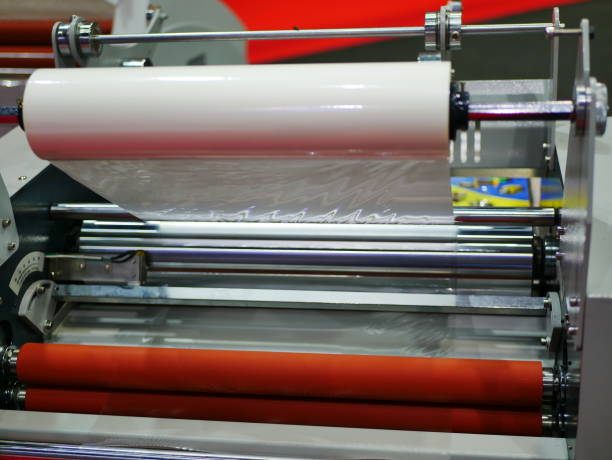
Common Signs Your Laminator Hot Rolls Need Cleaning
Recognizing the early warning signs of contamination can save hours of downtime. If your operators notice any of the following, it is time to halt production for a cleaning cycle.
Streaks or Lines on the Laminated Surface
If straight black, gray, or glossy lines repeat across the web width, the roller surface may already have adhesive deposits or film fragments attached.
Wrinkles Forming
When the heated roller surface is uneven, pressure distribution changes. Even a small residue spot can create local tension imbalance and lead to wrinkles.
Uneven Gloss or Matte Transfer
This is especially common when running matte films, foil structures, or coated laminates. Surface coatings can slowly transfer onto the chrome roll and create visible gloss bands.
Increased Noise or Rough Rotation
A roller contaminated with hardened residue may rotate less smoothly, especially at higher speeds.
Film Tracking Becomes Less Stable
When the surface friction changes due to contamination, film alignment can drift more easily.
These issues are commonly linked to debris left on chrome and nip rollers after production runs.
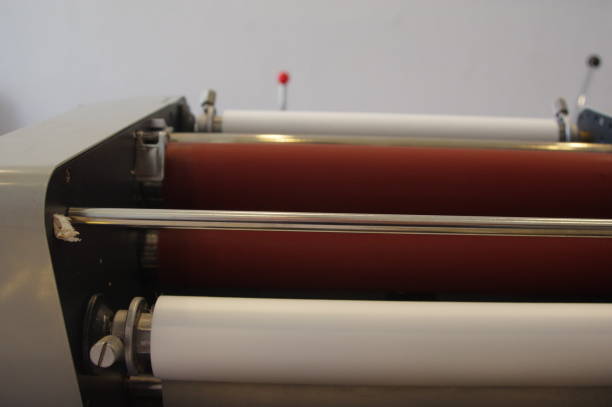
Tools and Materials You Need Before Cleaning
The most common cause of roller failure isn’t the glue itself—it is the use of improper cleaning tools. Never use metal scrapers, knives, or steel wool. A single scratch on a chrome roller can create a permanent mark on every meter of film produced thereafter.
Recommended Supplies:
- Lint-free microfiber cloths: To avoid leaving fibers behind.
- Melamine sponges (e.g., Magic Eraser): Excellent for “grabbing” adhesive without abrasion.
- Approved roller cleaner: Non-flammable, citrus-based, or OEM-recommended solvents.
- Low-odor mineral spirits: For stubborn, non-water-soluble resins.
- Heat-resistant gloves: Essential for cleaning rollers while they are warm.
- Non-abrasive cleaning pads: Specifically rated for polished metal surfaces.
Safety Warning: Always wear appropriate Personal Protective Equipment (PPE), including eye protection and gloves, to defend against both heat and chemical exposure.
Step-by-Step: How to Clean Laminator Hot Rolls Safely
Step 1 – Stop the Machine and Set a Safe Temperature
Attempting to clean a “stone-cold” roller makes adhesive removal significantly harder. Conversely, cleaning a roller at full production temperature (e.g., 120°C+) can cause cleaners to evaporate too quickly or burn. Set the machine to a “warm” maintenance temperature (approximately 50°C to 70°C) as recommended by your manual.
Step 2 – Remove Loose Film and Dust
Before applying liquids, reverse the film path to clear the rollers. Use a soft-bristle brush or compressed air to remove loose dust or film scraps. This prevents you from accidentally rubbing abrasive dust particles into the roller surface during the wipe-down.
Step 3 – Wipe Off Adhesive Residue Gently
Moisten a microfiber cloth with your cleaning solution. Rotate the roller slowly (using the “jog” function if available) and wipe from the center outward to the edges. Apply steady, moderate pressure. Always wipe in one direction rather than in circular motions to ensure you are lifting the residue off the surface rather than spreading it.
Step 4 – Clean Stubborn Glue Build-Up
For areas with thick, carbonized glue, use a melamine sponge dampened with cleaner. Allow the cleaner to “dwell” on the spot for 30–60 seconds to soften the bond. Gently work the sponge over the area. As Nobelus University notes in their maintenance guides, patience is more effective than force when dealing with industrial adhesives.
Step 5 – Dry the Roller Surface Completely
Once the residue is gone, use a clean, dry microfiber cloth to buff the roller. Any leftover solvent can cause “spotting” on the film or affect the adhesive chemistry of your next job. Inspect the roller under a bright light; the reflection should be consistent across the entire width.
Step 6 – Run a Test Lamination
Before starting a high-value run, feed a few meters of “scrap” film through the machine at a low speed. This “tack-off” pass will pick up any microscopic particles or remaining cleaning agents. Check the test piece for streaks, bubbles, or clarity.
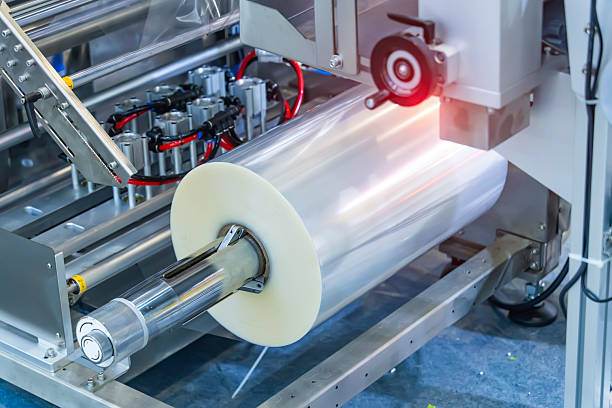
Mistakes That Commonly Damage Roller Surfaces
Many roller failures are not caused by production itself, but by incorrect cleaning habits. The most common mistakes include:
Using Sharp Tools
Metal scrapers may remove glue quickly, but even a small scratch can create repeating marks on every future job.
Cleaning with Abrasive Pads
Steel wool and rough scouring pads can permanently damage chrome rollers.
Using the Wrong Solvent
Some strong solvents can dry out silicone surfaces or affect roller coatings.
Cleaning at the Wrong Temperature
Cold hardened adhesive is more difficult to remove and often leads operators to apply too much force.
Leaving Cleaner Residue Overnight
Chemical residue left on the roller surface can stain or react under heat during the next production run.
How Often Should You Clean Hot Rolls?
There is no “one size fits all” schedule, but maintenance should be dictated by your production volume and material types:
- Standard Production: A quick inspection and wipe-down at the end of every shift. A deep clean every 3–6 months.
- High-Speed Solventless Lines: These require more frequent checks, often weekly, as the chemistry of solventless adhesives can be more aggressive.
- After Special Jobs: If you have just finished a run using high-tack adhesives, foils, or matte films, clean the rollers immediately to prevent the unique residues from hardening overnight.
When Cleaning Is No Longer Enough
Sometimes, a surface is beyond the help of a cleaning kit. If you observe the following, it is time to consult your spare parts catalog or technical service team:
- Permanent Scratches: Feelable grooves that transfer a line onto every sheet.
- Chrome Peeling: If the plating is flaking, the roller will no longer hold heat evenly.
- Flat Spots: Often caused by leaving rollers clamped together while hot and stationary.
- Inconsistent Pressure: If cleaning doesn’t fix wrinkling issues, the roller may be warped or “bowed.”
In these instances, replacing the OEM Hot Roller is the only way to restore your machine’s original performance standards.
For laminating machine manufacturers and converters, this is also a strong point to recommend OEM spare rollers and preventive maintenance services.
SINSTAR’s Maintenance Recommendation
Cleaning laminator hot rolls is a simple task on the surface, yet it has a direct impact on lamination quality, machine efficiency, and roller lifespan.
For industrial laminating lines, regular hot roll cleaning should be treated as part of standard process control rather than occasional troubleshooting. Over time, this small maintenance habit protects both product quality and equipment investment.
When hot roll defects continue to appear after repeated cleaning, the issue may no longer be surface contamination but deeper roller wear, coating damage, or pressure inconsistency within the laminating system. In these cases, timely technical inspection becomes more important than repeated manual cleaning.
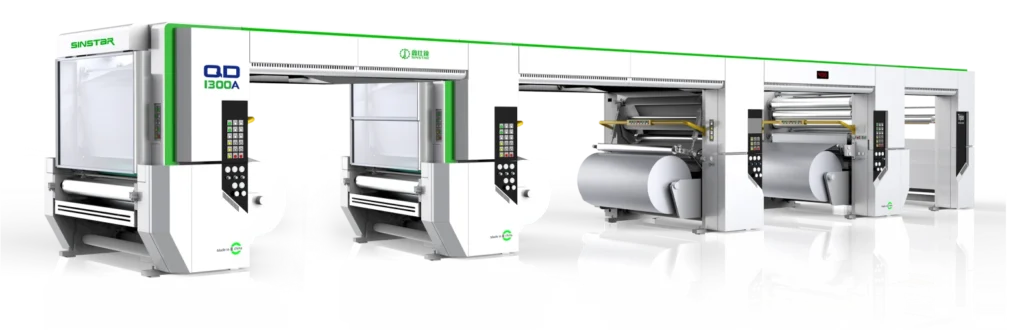
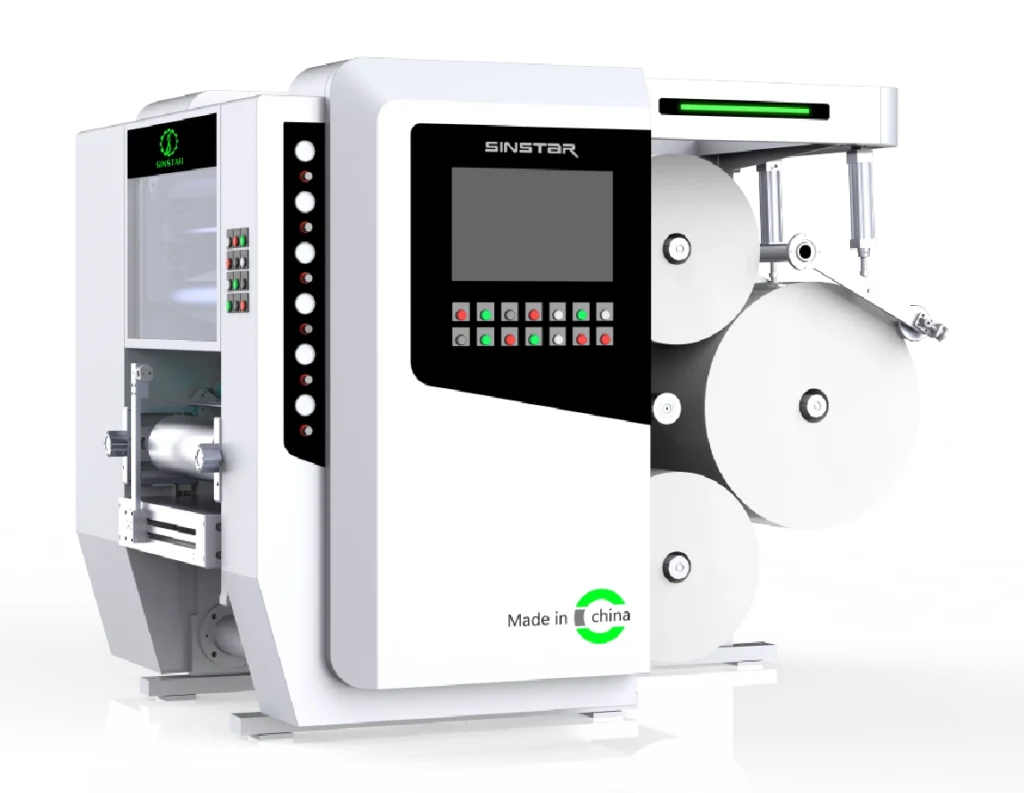
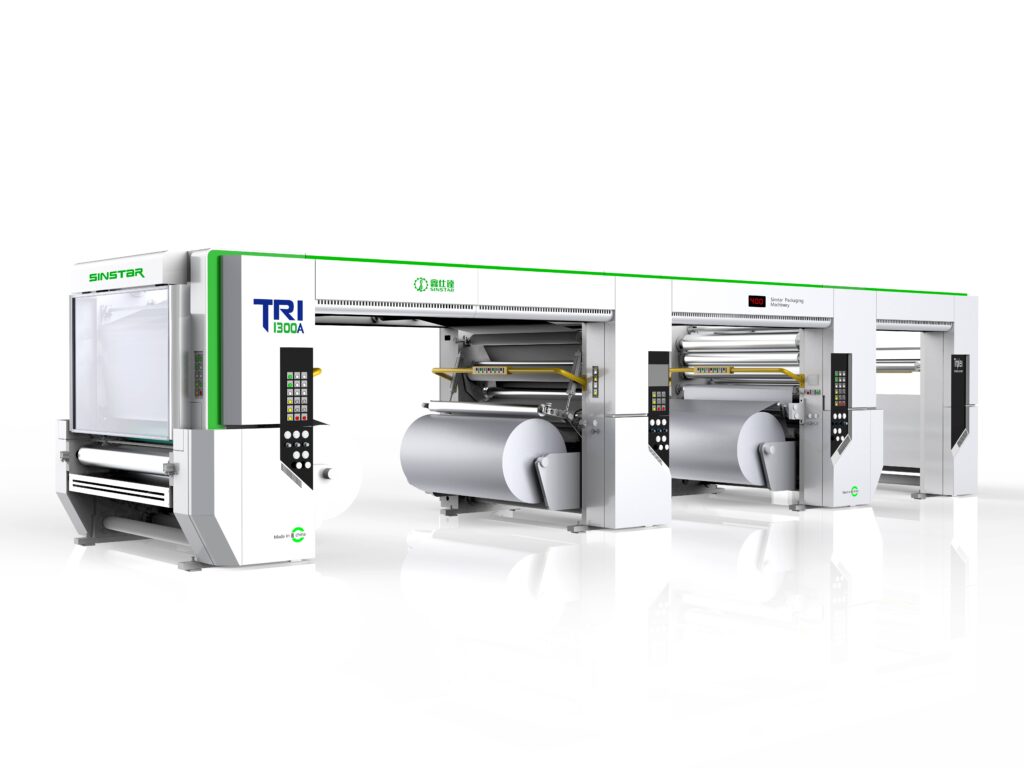
As a professional manufacturer of industrial laminating solutions, SINSTAR supports flexible packaging converters with reliable solventless laminating machines, precision roller systems, and long-term maintenance guidance. From daily cleaning practices to roller replacement and line optimization, proper support helps reduce downtime and keep lamination quality stable over the long run.