Hot vs Cold Laminating Systems: Technical Analysis of Surface Protection

The process of lamination involves applying a thin plastic protective layer to a substrate, which consists of paper, cardstock, and synthetic media to enhance durability, moisture resistance, and visual clarity. The decision to select thermal or pressure-sensitive systems for industrial and professional printing environments represents an essential technical choice. This article provides a comprehensive comparison of hot vs cold laminating technologies, focusing on the mechanical operations of the hot laminating machine and the cold laminating machine, as well as the chemical properties of hot laminator film and cold laminator film.
Thermal Lamination: Mechanics and Material Science
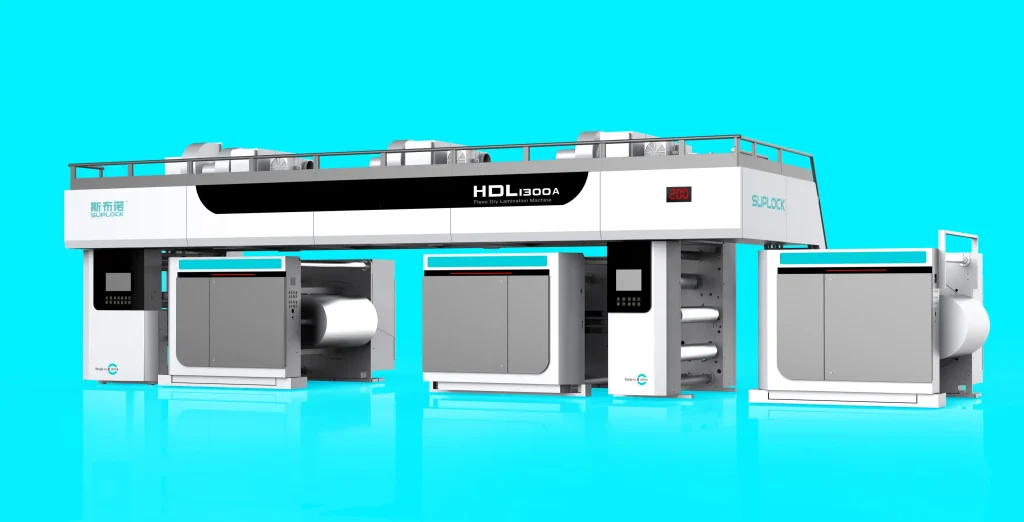
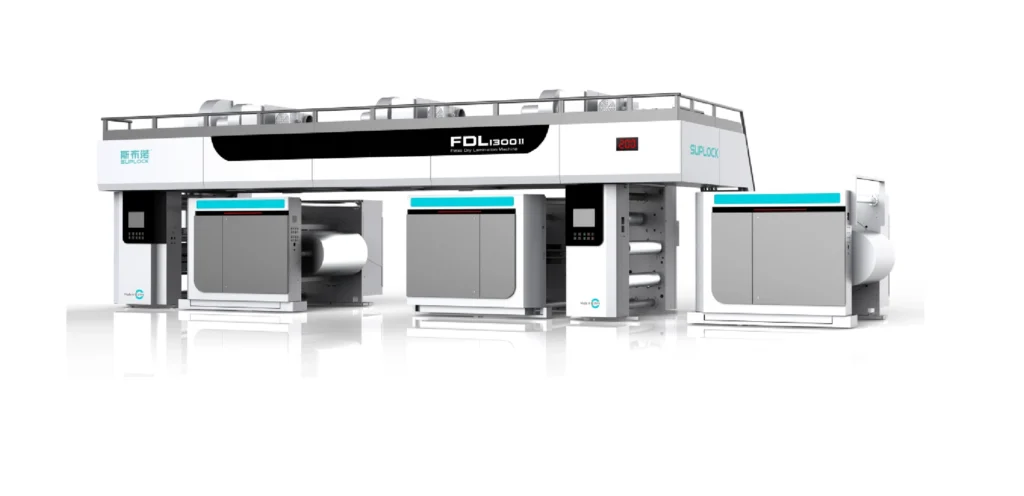
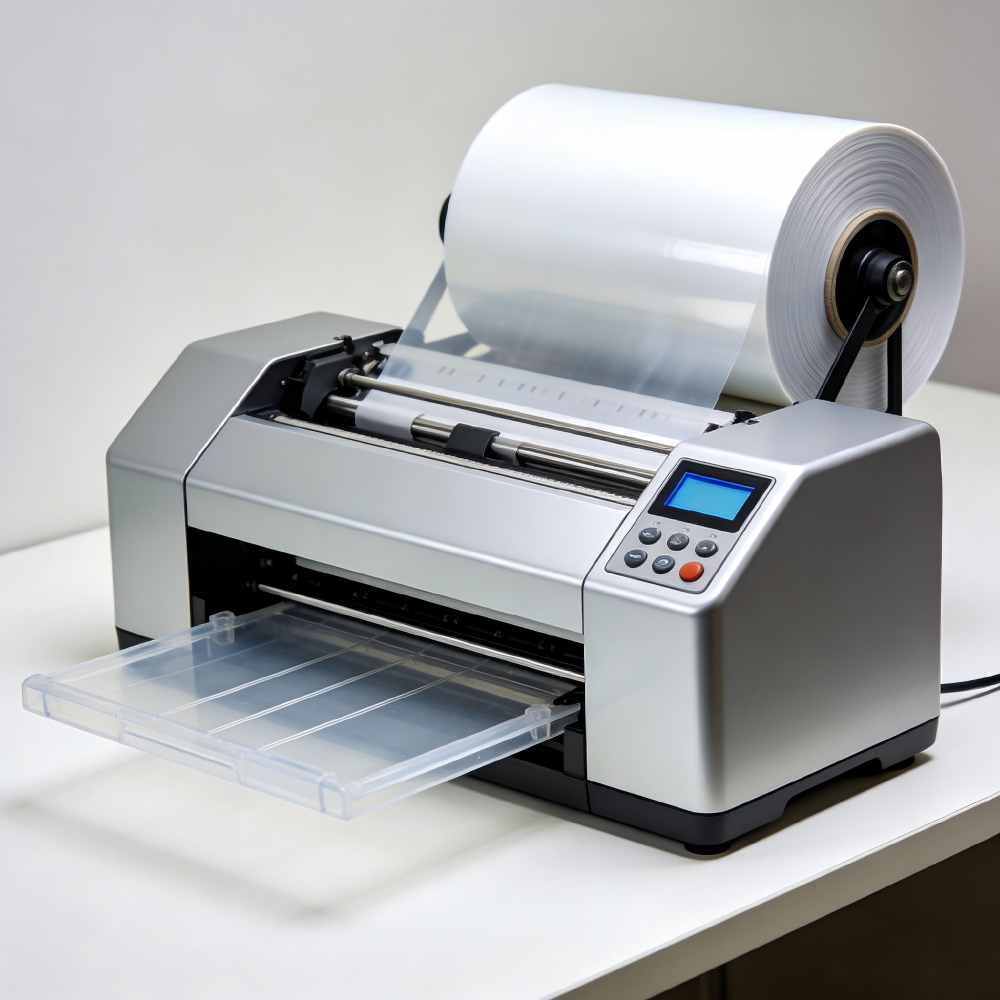
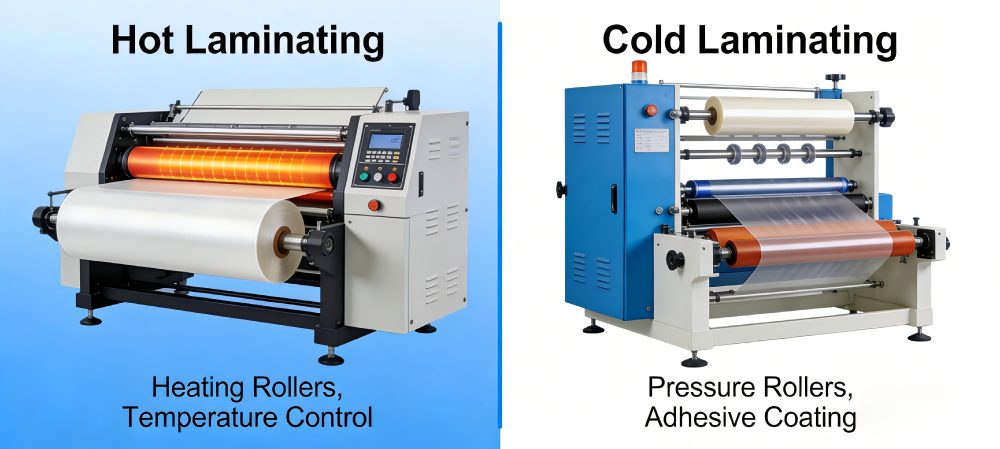
A hot laminating machine operates by utilizing high temperatures and synchronized rollers to melt a solid adhesive layer. This system is the standard for high-volume document protection and rigid finishing.
1. The Heating Element and Roller Pressure
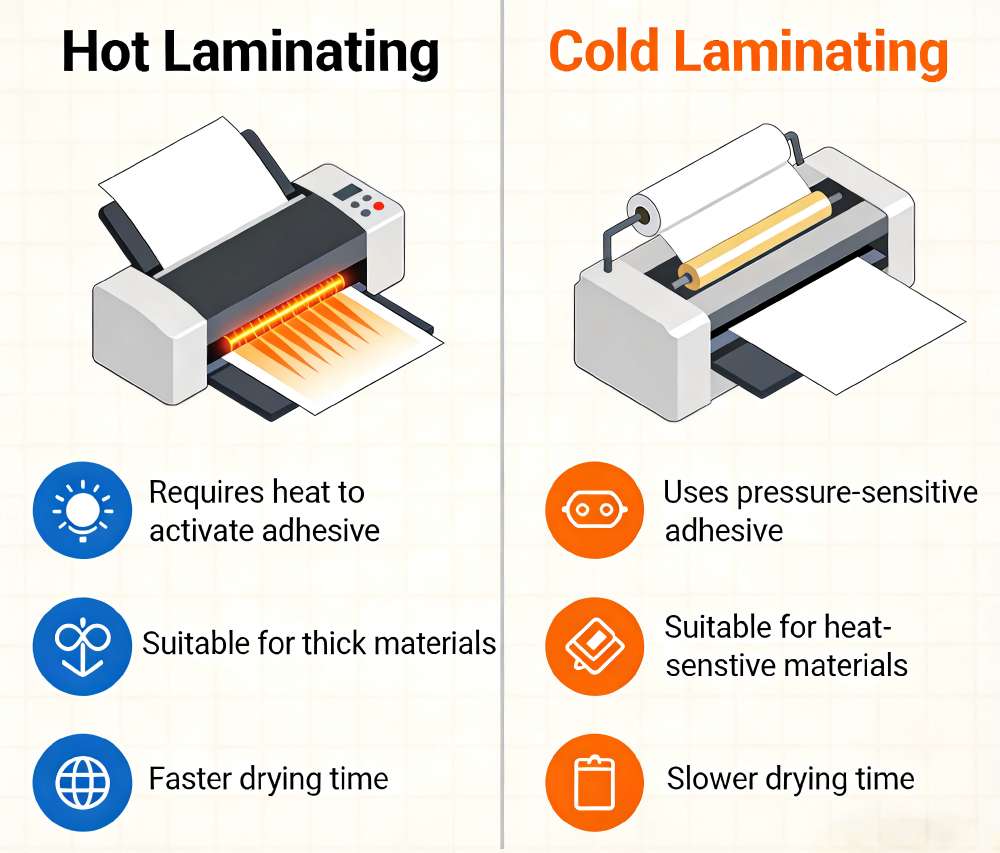
The internal architecture of a hot laminating machine consists of one or more pairs of rollers. In a four-roller system, the front pair is heated by internal infrared elements or heating plates. These rollers reach operating temperatures ranging from 100℃ to 160℃ (212℉ to 320℉). As the document and the hot laminator film pass through the nip point, the heat liquifies the adhesive.
2. Composition of Hot Laminator Film
Hot laminator film is typically constructed from a base of Polyester (PET) coated with a layer of Ethylene Vinyl Acetate (EVA).
- PET Layer: Provides the structural rigidity and the gloss or matte finish.
- EVA Layer: The material serves as a thermal adhesive. The EVA material becomes a low-viscosity liquid that can flow into the paper fiber’s microscopic pores when it reaches its designated melting temperature.
Once the laminator exits the rollers and cools, the EVA solidifies to create an impermeable bond and structure, making it irremovable sans distortion of the substrate.
Cold Lamination: Pressure-Sensitive Technology
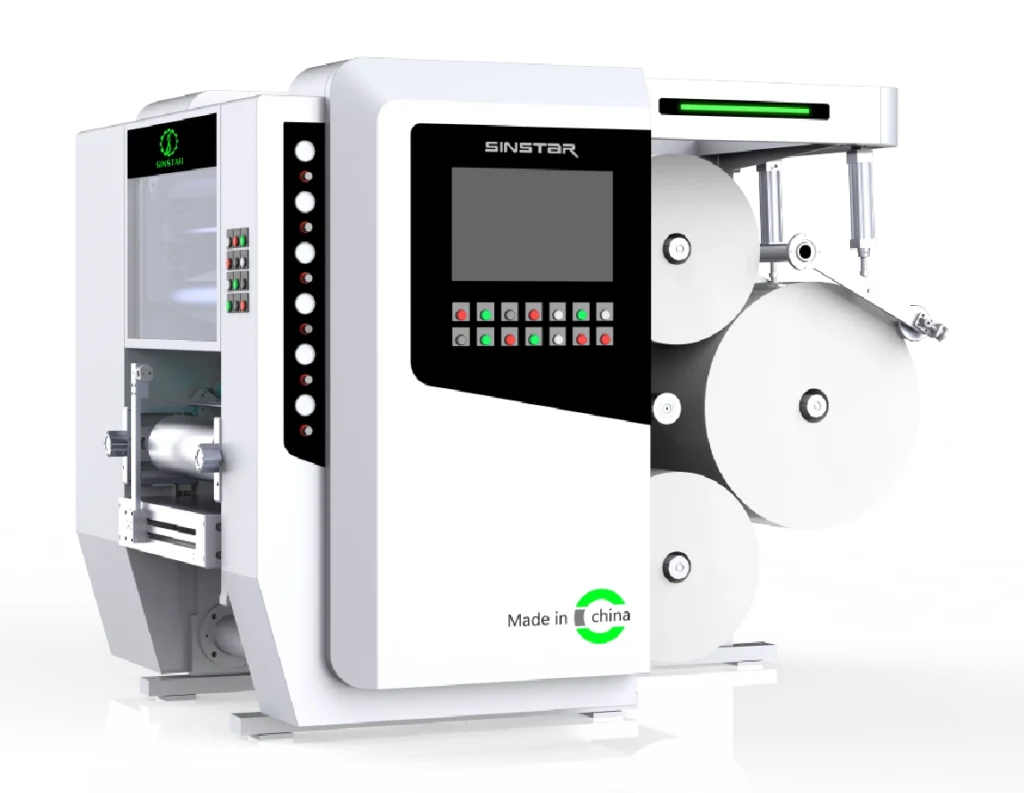
A cold laminating machine does not incorporate heating elements. The machine uses mechanical pressure together with its special adhesive chemistry to create bonds between the film and the media.
1. Mechanical Operation
The construction of a cold laminating machine is simpler than its thermal counterpart but requires high-precision rollers to ensure even pressure distribution. The machine uses heavy-duty rubberized rollers to “squeeze” the film onto the substrate. The machines reach operational status when users power them on because they operate without needing a warm-up period.
2. Composition of Cold Laminator Film
Unlike thermal films, cold laminator film utilizes a Pressure-Sensitive Adhesive (PSA). This adhesive is a polymer that remains “tacky” or aggressive at room temperature.
- Release Liner: Since the glue remains tacky, an adhesive tape comes equipped with a silicone-coated paper or plastic covering that is meant to be separated during the process of lamination.
- UV Inhibitors: Manufacturers produce various types of cold laminator film that contain high levels of UV stabilizers. The adhesive used in this product proves to be more effective for outdoor signage and vinyl graphics that experience direct sunlight exposure because it resists yellowing and cracking better than thermal EVA.
Direct Technical Comparison: Hot vs Cold Laminating
Understanding the specific advantages and limitations of each system is essential for maintaining material integrity and optimizing operational costs.
1. Substrate Sensitivity
The primary difference between hot and cold laminating is the heat tolerance of the media.
- Hot Systems: High temperatures can cause “bleeding” in certain inkjet inks, warping in thin plastics, and complete blackening of thermal paper (such as retail receipts or medical ultrasound prints).
- Cold Systems: These are the only viable option for heat-sensitive materials. Professional photographers and archivists utilize cold lamination for old photographs or delicate artworks where high heat would trigger chemical degradation or physical curling.
2. Bond Strength and Durability
The bond created by a hot laminating machine is generally superior for indoor applications requiring high rigidity. The thermal adhesive deeply penetrates the substrate, making it difficult for moisture to seep in from the edges. Conversely, cold lamination is preferred for flexible substrates. Because the adhesive remains somewhat flexible, it does not crack when applied to vinyl wraps or banners that need to be rolled or applied to curved surfaces.
3. Operational Costs and Complexity
From a budgetary perspective, thermal lamination is more cost-effective for high-volume tasks.
- Film Cost: Hot laminator film is significantly cheaper to manufacture because it does not require a release liner or high-performance room-temperature adhesives.
- Machine Cost: While entry-level hot laminators are inexpensive, high-end industrial hot systems are complex due to temperature control sensors and cooling fans.
- Cold Film Premium: The cost of cold laminator film reaches higher levels because its pressure-sensitive adhesive needs complex production methods, and its release liner generates operational waste.
Industry-Specific Applications
The correct lamination technology needs to be selected through a process that requires understanding both substrate material properties and product operating environment conditions.
1. Precision Manufacturing & Engineering
Cold lamination is the technical standard for protecting precision aluminum and stainless steel plates. Unlike thermal processes, a cold laminating machine avoids the risk of thermal expansion in the metal substrate. Applying heat to high-tolerance alloys can trigger dimensional distortion or compromise surface flatness. Cold systems provide an immediate protective barrier without altering the physical properties or metallurgical integrity of the sheet.
2. Outdoor Advertising & Signage
Cold laminator film is the preferred choice for large-format outdoor graphics because it provides better UV protection and maintains its original size. The majority of cold films use PVC (vinyl) and special polymers that contain UV inhibitors to stop both ink fading and substrate yellowing. The cold-applied adhesives maintain their original size better than heat-activated EVA because they experience less shrinkage, which prevents edge separation and curling during temperature changes outside.
3. Office & Education
he hot laminating machine operates at its maximum efficiency for items that need high durability protection, which includes certificates and menus. The hot laminator film thermally fuses to create a solid seal that blocks moisture and oils while withstanding regular use. The structural bond remains vital for documents that undergo high contact because they need both permanent stiffness and protection against spills.
Technical Troubleshooting & Professional Tips
Achieving professional results requires a nuanced understanding of the variables that affect bond quality and visual clarity.
1. Preventing “Silvering” in Cold Lamination
The process of “Silvering” happens when micro-bubbles of air get trapped between the film and the substrate. The solution requires operators to raise the nip pressure on the cold laminating machine rollers. If silvering persists, pre-heating the substrate or reducing the processing speed allows the pressure-sensitive adhesive more time to flow into the surface irregularities of the media, ensuring total contact.
2. Avoiding Heat Buckling in Thermal Systems
Heat buckling refers to document deformation, which occurs when temperatures exceed the limits of paper weight. The hot laminating machine requires users to operate thin paper, which has a weight between 80 and 100gsm at temperatures between 100℃ and 110℃. The thicker fibers of heavier cardstock need temperatures above 130℃ to enable proper penetration. The supply mandrels need to maintain constant tension because they protect against film-based paper distortion.
3. Film Storage and Shelf Life
Hot laminator film maintains its storage stability because its EVA adhesive stays inactive until heating occurs. The cold laminator film contains a sticky adhesive that begins to “adhesive bleed” or “oozing” at roll edges when the film undergoes storage in warm conditions or high-pressure environments. Vertical storage of cold films requires a climate-controlled area with temperatures below 25℃ to stop adhesive migration, which causes winding problems.
The choice between hot and cold laminating needs to be determined through technical analysis of the substrate, together with its required durability and budget constraints. The hot laminating machine operates thermal lamination as the most cost-efficient method, which provides high-volume paper preservation. Cold lamination, which involves a cold laminating machine and special cold laminator film, serves as the vital solution for wide-format graphics and heat-sensitive media and outdoor applications that need UV protection and flexible performance. Professionals need to keep both systems operational because they require different lamination methods to fulfill their multiple material science needs.