How to Control Static in Large Laminating Machine for 3-Ply Flexible Packaging

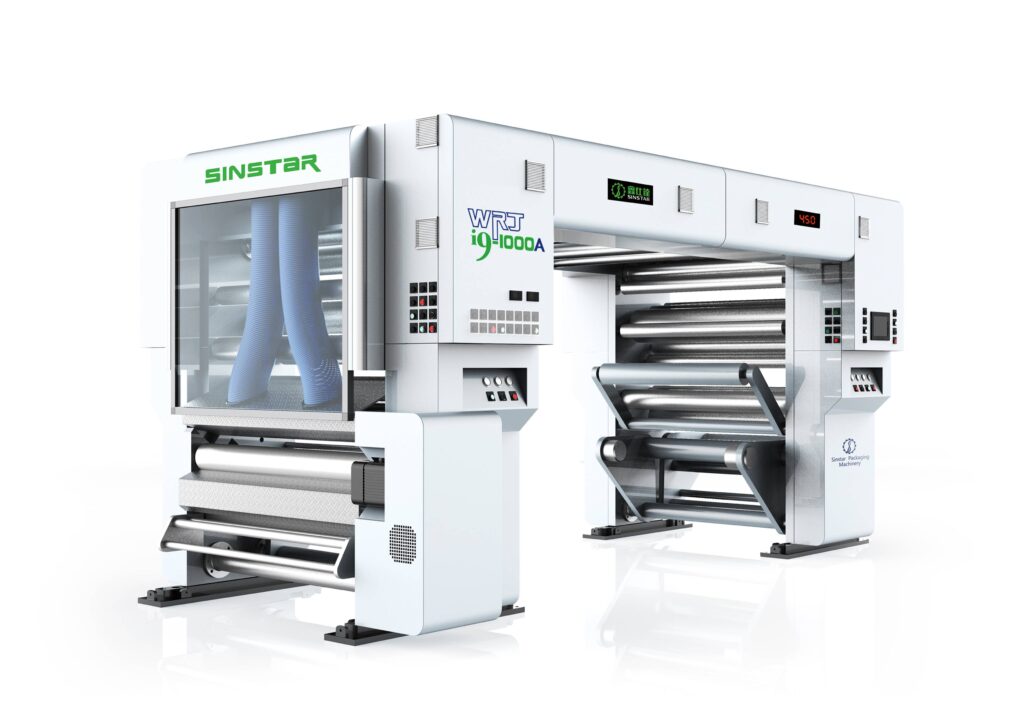
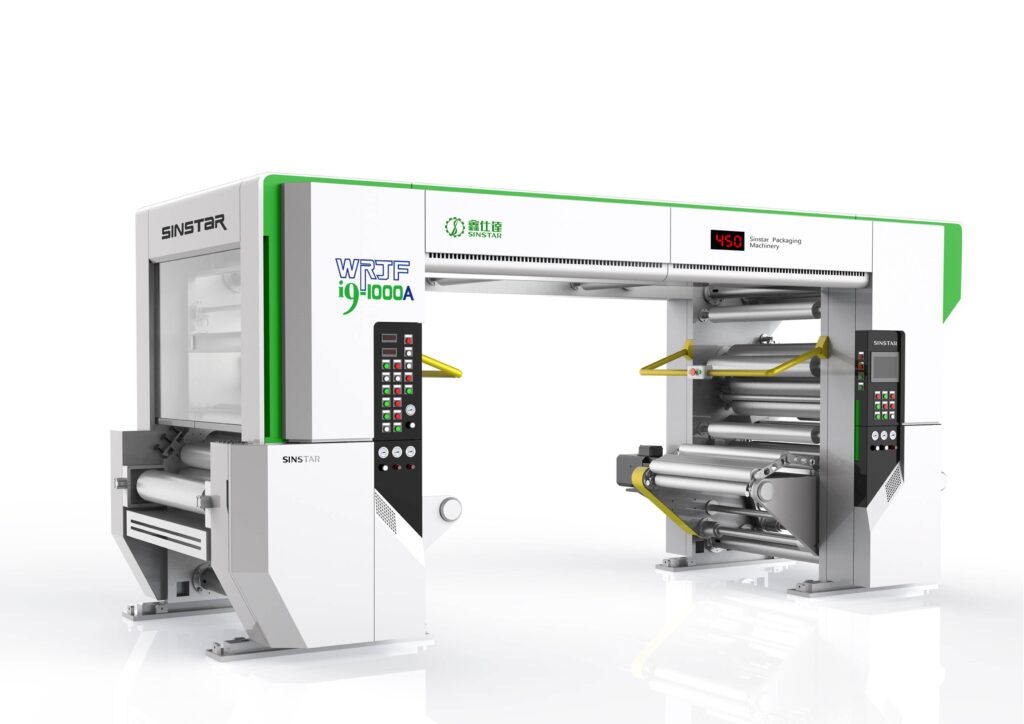
In the high-speed production of flexible packaging, the large laminating machine is the backbone of the converting process. With production speeds increasing to meet global demands, there is a constant physical phenomenon that puts product integrity and operational safety at risk: static electricity. Understanding the dynamics of electrostatic discharge (ESD) is not only a quality control issue for packaging engineers and plant managers, but a fundamental requirement for industrial safety.
The Science of Electrostatic Generation in High-Speed Converting
Static electricity in a large laminating machine is primarily generated through friction and separation between non-conductive substrates and rollers.
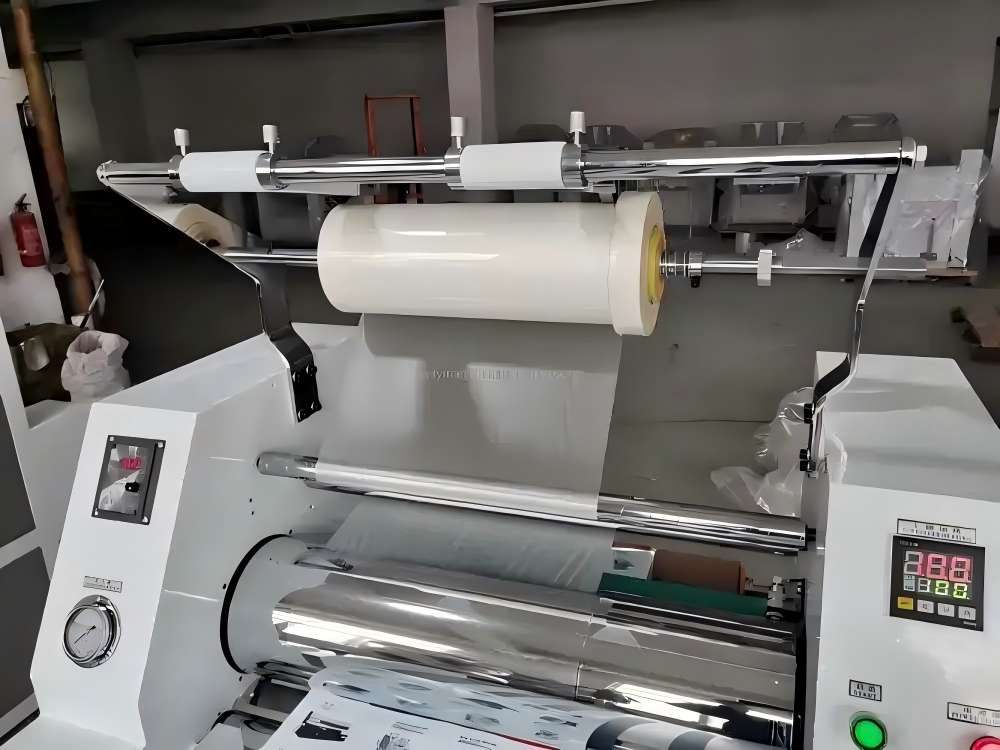
When operating a large laminating machine, the primary cause of static is the “triboelectric effect.” This occurs as the film substrate—such as PET, BOPP, or PE—travels over idling and driven rollers at high velocities. The constant contact and rapid separation strip electrons from the surface of the film, creating a significant imbalance of charges. In a triplex lamination machine, this effect is compounded because the process involves multiple unwinding stations and complex path rollers to achieve a 3-ply lamination in flexible packaging. Each interface where a film meets a roller or another film layer acts as a generator for electrostatic potential, often reaching levels exceeding 20,000 volts if left unmanaged.
Why Triplex Lamination Increases Static Complexity
3-ply lamination involves multiple substrate interfaces and adhesive applications that significantly multiply the opportunities for static accumulation compared to duplex structures.
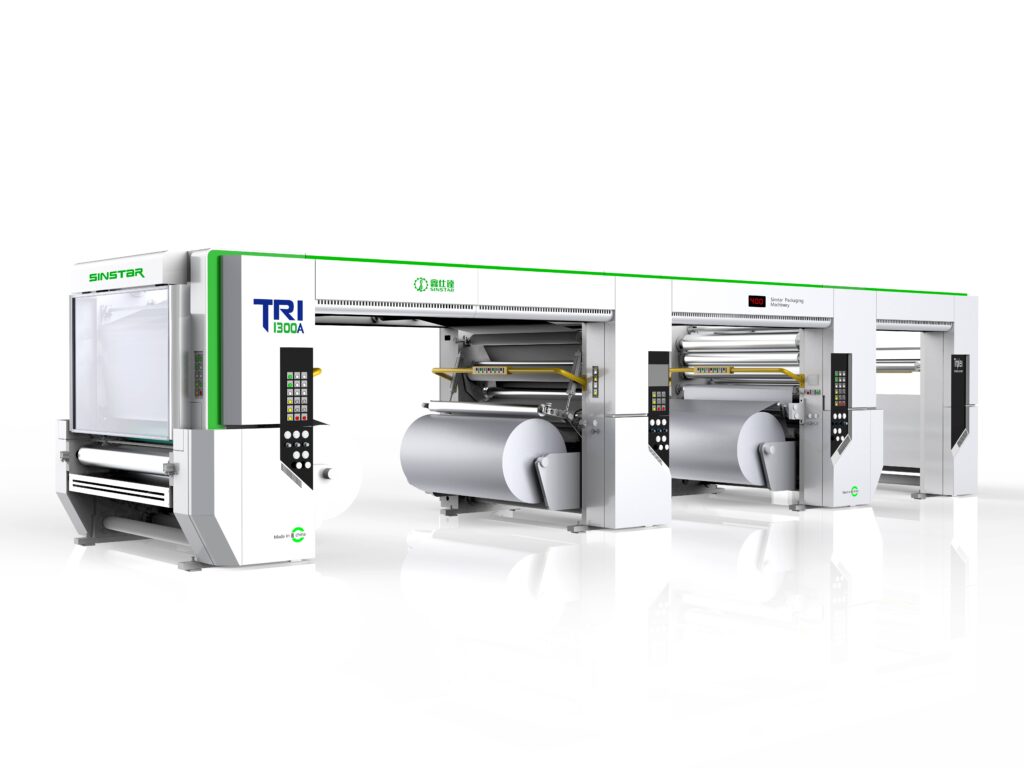
The creation of 3-ply laminations in flexible packaging usually calls for a triple lamination machine that can laminate three different layers, such as PET/Alu/PE, in one run or through a very coordinated two-run process. Every layer has its dielectric constant and surface energy. The foil of aluminum is a conductor and acts similarly to insulators such as plastic films. When an insulator, for example, PET, is laminated against a conductor, such as aluminum, the electric charge captured between the two layers becomes “frozen” and cannot be easily dissipated. This makes the management of a large laminating machine far more technical than standard duplex operations, as engineers must account for the composite charge of the finished laminate.
Major Challenges: Quality Defects and Operational Risks
Large laminating machines that are not static-controlled cause surface contamination, repulsion of adhesive, and severe fire hazards in solvent-based environments.
1. Surface Contamination and Visual Defects
Static charges act as a powerful magnet for airborne contaminants. In a cleanroom or a standard shop floor, a charged web will pull dust, hair, and microscopic fibers onto the substrate before it enters the lamination nip. When 3 ply lamination is used for flexible packaging, these particles get stuck permanently between the layers of the laminate, causing what is known as “fish eyes,” bubbles, or dark spots. Such imperfections are not acceptable for food and pharmaceutical packaging.
2. Adhesive Flow and Coating Uniformity
Electrostatic forces can interfere with the surface tension of the adhesive. Whether using solvent-based or solvent-less adhesives in a triplex lamination machine, static can cause “static mottling” or uneven glue distribution. If the charge is high enough, the adhesive may “mist” or repel from certain areas of the film, leading to poor bond strength and potential delamination of the 3-ply structure.
3. Fire and Explosion Hazards
For engineers operating a large laminating machine with solvent-based adhesives (such as those using Ethyl Acetate), static is a critical safety hazard. A single electrostatic spark in the coating head area can reach the Minimum Ignition Energy (MIE) required to ignite solvent vapors. This necessitates the use of specialized explosion-proof (ATEX or UL certified) static control hardware to prevent catastrophic industrial accidents.
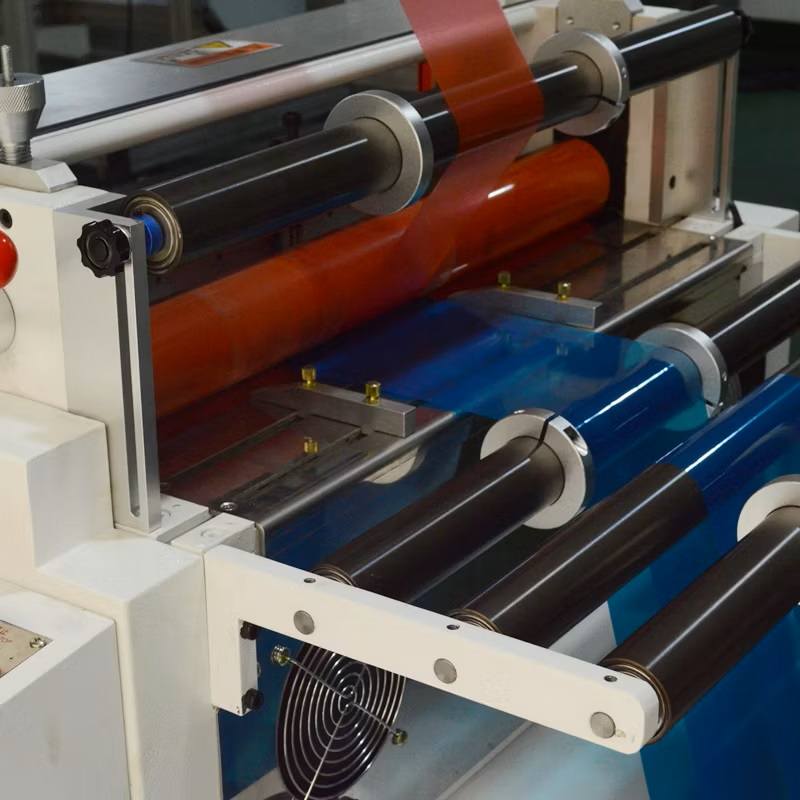
Technical Solutions for Static Mitigation
Effective static control in a triplex lamination machine requires a combination of active ionization, passive dissipation, and environmental regulation.
1. Active Ionization Systems
The most effective way to neutralize charges on a large laminating machine is through active ionization. This involves the use of AC (Alternating Current) or pulsed DC (Direct Current) ionizing bars. These bars create a “cloud” of both positive and negative ions. As the charged film passes through this cloud, it attracts the oppositely charged ions, effectively neutralizing its surface.
In a triplex lamination machine, ionizing bars should be strategically placed at:
- Each primary and secondary unwinding station.
- Immediately before the coating station, to ensure adhesive receptivity.
- Just before the lamination nip, where the layers meet.
- At the final rewinding station, to prevent “operator shock” and telescoping.
2. Passive Dissipation Methods
Passive devices, such as anti-static tinsel, conductive brushes, or carbon fiber ropes, provide a path to the ground. While less effective than active systems at high speeds, they serve as a vital first line of defense for a large laminating machine by reducing extremely high voltages to more manageable levels before the web reaches the active ionizers.
3. Climate and Humidity Control
Air conductivity is greatly affected by its moisture level. RH should be kept at a range of 45%-60% in the converting hall because this helps dissipate static electricity naturally. If the environment is too dry, charges remain “stubborn” on the film surface, rendering even the best triplex lamination machine prone to static-related downtime.
Hardware Selection: Equipping Your Large Laminating Machine
Selecting the correct static control hardware depends on the web width, machine speed, and the presence of flammable solvents.
When specifying hardware for a large laminating machine, engineers must consider the “effective range” of the ionizing bars. For machines with a web width exceeding 1.5 meters, the bars must maintain a consistent ion output across their entire length to avoid “striping” effects on the film. Furthermore, for 3 ply lamination in flexible packaging involving aluminum foil, specialized “long-range” ionizers are often required at the rewind, as the metal layer can shield the internal charges, requiring a more powerful ionic field to penetrate the composite structure.
Engineering Conclusion and Best Practices
Managing static in a triplex lamination machine is a continuous process of measurement and adjustment. For the packaging engineer, the goal is to create a “static-neutral” production environment. This is achieved by integrating real-time static monitoring sensors into the large laminating machine’s PLC system. By continuously measuring the kilovolts on the web and automatically adjusting the ionizer output, manufacturers can ensure that every meter of 3 ply lamination in flexible packaging is of the highest safety and quality standards.
FAQ: Frequently Asked Questions
Q1: What is the maximum safe static voltage for a solvent-less laminator?
A1: While solvent-less processes have a lower fire risk, static should still be kept below 3kV to prevent dust attraction and operator discomfort. Above 5kV, you will likely see quality issues in the finished laminate.
Q2: Where is the most critical placement for an ionizing bar in a triplex lamination machine?
A2: The most important thing is right before the nip. Once the layers get charged during pressing, the charge remains trapped between the layers, and it is impossible to remove it later.
Q3: Can I use standard anti-static tinsel for high-speed, large laminating machines?
A3: Tinsel is a passive solution. While helpful, it is usually insufficient for machines running above 300 m/min. Active ionizing bars are required for high-speed industrial applications.
Q4: Does 3-ply lamination produce more static than 2-ply?
A4: Yes, because there are more contact points and more surfaces being separated and combined. The addition of a third layer (especially a foil or metallized layer) complicates the electrical field of the web.