Best Lamination Structures for Pet Food Packaging

Choosing the right lamination structure for pet food packaging is not as straightforward as it looks. Most converters and brand owners know the usual suspects such as foil laminates, metallized films, mono-material PE, but fewer have a clear picture of when to use which, and why it actually matters.
The wrong structure does not just cause technical problems. It can mean product degradation mid-shelf life, customer complaints about odors, or failed recyclability claims. Getting this decision right from the beginning saves significant time and money downstream.
This guide introduces the main structures used in pet food packaging today, what each one is genuinely good at, and what to consider before making a selection.
Why Pet Food Packaging Has Stricter Requirements Than Most
Before jumping into structures, it helps to understand what makes pet food packaging different from general food packaging.
Pet food especially wet food and high-protein formats contains high levels of animal fat. These fats can migrate toward the inner surface of packaging over time, gradually weakening adhesive bonds. On top of that, the oxygen transmission rate (OTR) requirements for many wet pet food products are extremely tight, often below 1 cm³/m²/day. And because consumers are highly sensitive to off-odors in food products, there is almost no tolerance for residual solvents or adhesive outgassing.
Extended shelf life requirements, 12 to 24 months in many cases, mean the structure has to hold up not just at the point of production, but throughout the entire storage and distribution cycle.
These factors collectively set the baseline that any lamination structure needs to meet. From there, the choice depends on the specific product type and commercial priorities.
Matching Structures to Pet Food Categories
Different pet food formats have different packaging demands. Grouping them first makes the structure selection logic much clearer.
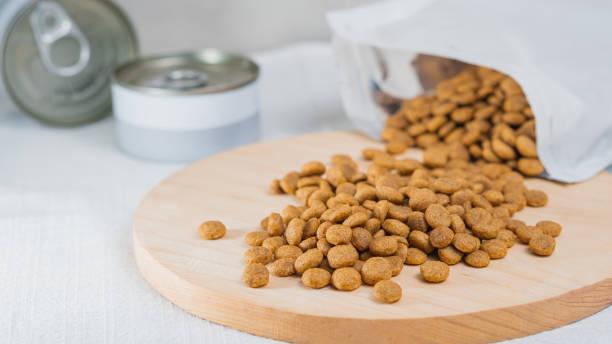
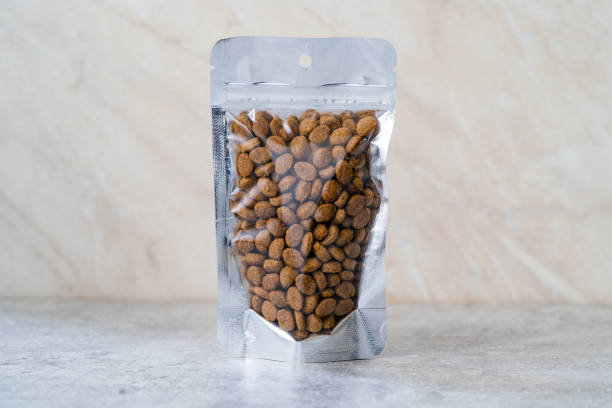
Dry kibble and treats have relatively low water activity, so moisture ingress is a primary concern. Fat migration is still a factor, but the urgency of oxygen barrier requirements is lower compared to wet formats.
Wet food pouches and retort-processed products require high barrier performance on both oxygen and moisture, plus thermal stability if the package goes through pasteurization or sterilization. This is the most demanding segment.
Freeze-dried and air-dried products often benefit from transparent or semi-transparent packaging for visual appeal, combined with moderate-to-high barrier performance to protect the product’s shelf stability.
Knowing which category a product falls into is the first filter for structure selection.
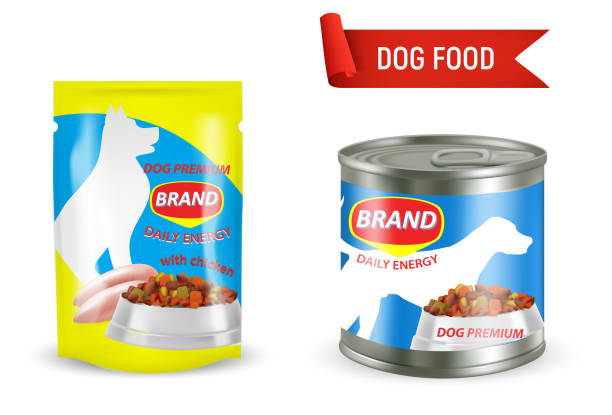
The Main Lamination Structures for Pet Food Packaging
PET / AL / PE (or CPP)
This is the workhorse structure for wet food and extended shelf life applications. Aluminum foil provides an essentially complete barrier against both oxygen and moisture, which is why it remains the default choice when performance cannot be compromised.
The tradeoff is weight, cost, and recyclability. Foil-based laminates are difficult to recycle through standard flexible packaging streams, which is increasingly a concern for brands with sustainability commitments.
Best for: Wet food pouches, retort packaging, products with 18–24 month shelf life targets.
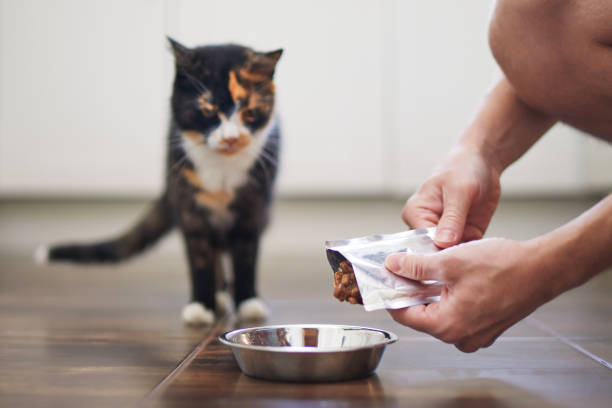
PET / VMPET / PE
Metallized PET replaces aluminum foil here, offering a significant cost reduction while maintaining reasonable barrier performance. It works well for dry kibble and mid-range shelf life products, but it does not match foil-based structures when OTR requirements drop below 1 cm³/m²/day.
One practical consideration: metallized films are more sensitive to flexing and handling. Small flex cracks in the metallized layer can compromise barrier integrity, which matters more in some distribution environments than others.
Best for: Dry food, treats, products with 6–12 month shelf life targets, cost-sensitive applications.
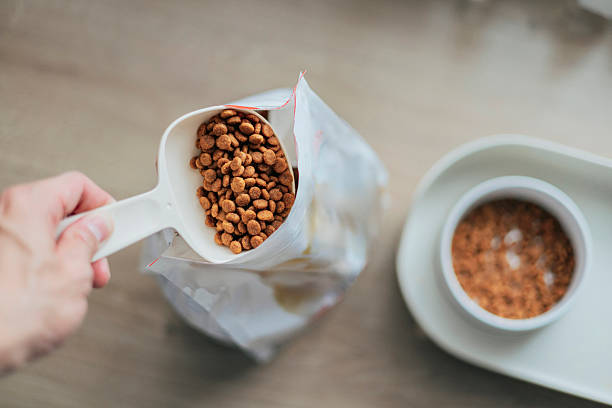
BOPP / VMPET / CPP
A lighter, lower-cost structure commonly used for dry kibble stand-up pouches and pillow bags. It offers moderate moisture and oxygen protection at a price point that suits volume-driven products.
This structure is not suitable for anything requiring pasteurization or sterilization — CPP has limitations at elevated temperatures. It also falls short for high-fat wet products where deeper barrier performance is needed.
Best for: Economy dry food packaging, large-format bags, price-sensitive product lines.
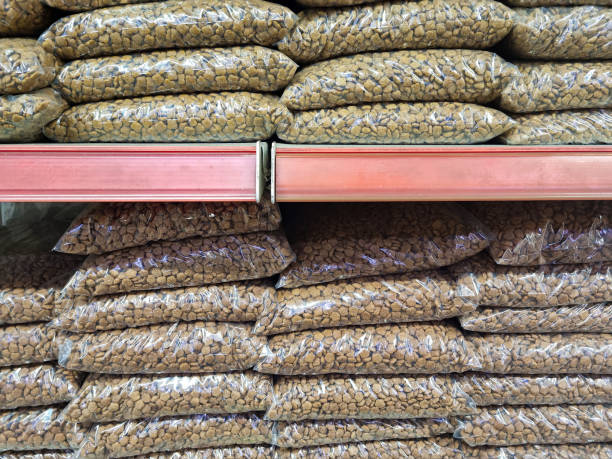
Nylon (NY) / PE or NY / AL / PE
Nylon adds puncture resistance, which makes it particularly relevant for packaging that contains bones, hard kibble shapes, or sharp-edged treats. The NY/AL/PE version combines that physical toughness with high barrier performance.
The NY/PE version (without foil) is more flexible and cost-effective, suitable for products where puncture resistance matters more than maximum barrier.
Best for: Bone-in treats, hard kibble, products with irregular shapes that risk puncturing the package during transit.
PET / PE / PE (Transparent, No Foil)
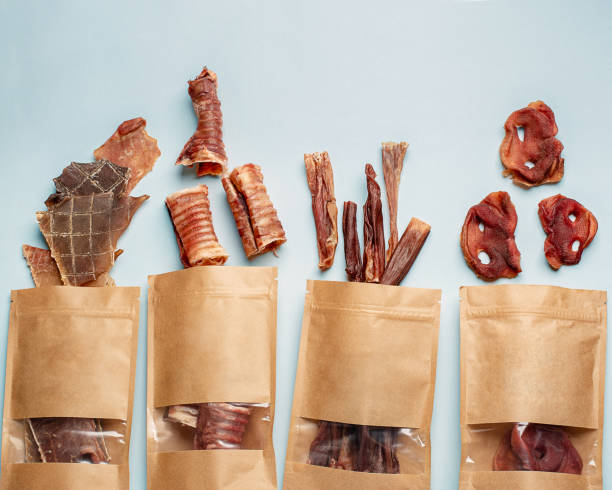
This structure sacrifices barrier performance for transparency, which suits products where visual presentation drives purchase decisions — freeze-dried raw food, for example, where seeing the product builds consumer confidence.
OTR performance is limited, so shelf life targets need to be realistic. This structure works when the product’s stability allows it, not as a cost-cutting substitute for a foil structure.
Best for: Freeze-dried, air-dried, or naturally stable products where transparency is a commercial advantage.
All-PE (PE / PE) Mono-Material Structures
Recyclability is the main driver here. An all-PE structure can, in principle, be collected and reprocessed through flexible film recycling streams — something a PET/AL/PE structure cannot. For brands working toward sustainability targets or responding to regulatory pressure in markets like the EU, this is increasingly relevant.
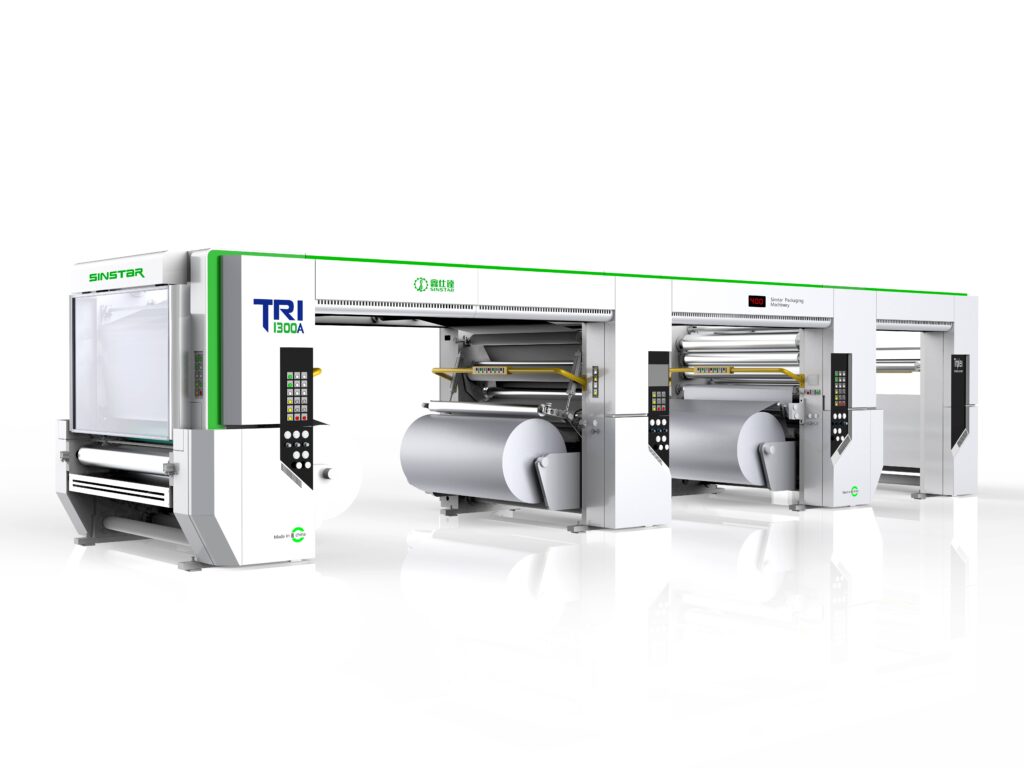
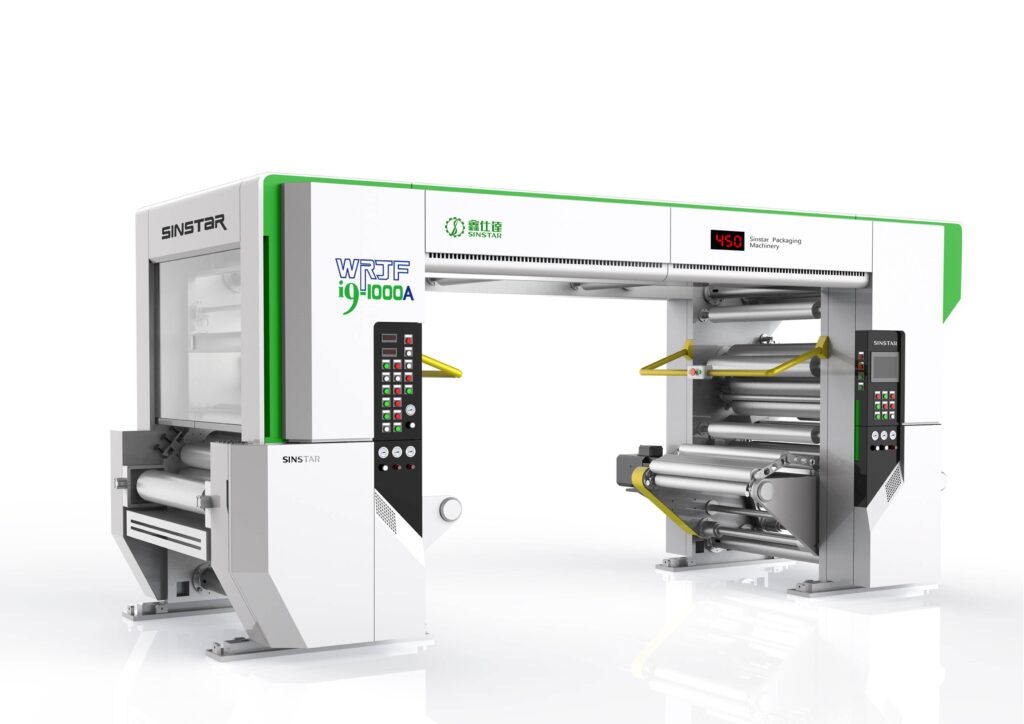
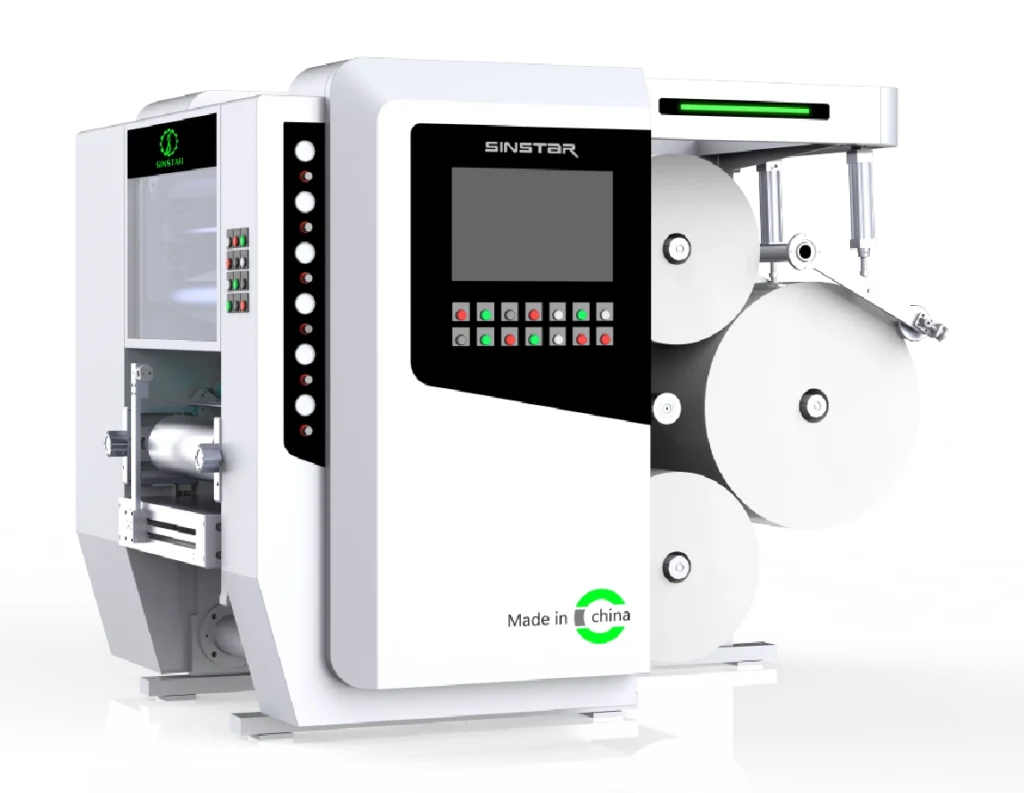
The honest limitation: PE-to-PE lamination produces lower bond strength than conventional multi-material laminates, and the barrier performance is significantly below foil or metallized structures without additional barrier coatings. The lamination process is also more sensitive — PE films behave differently from PET under tension and heat, requiring more precise process control. For more on how structure choices affect production, this overview of pet food lamination process requirements covers the equipment and process side in detail.
Best for: Products with shorter shelf life, sustainability-driven brand mandates, dry formats where barrier requirements are modest.
Key Decision Factors Before Finalizing a Structure
Once the product category is clear, several other factors should inform the final selection.
Shelf life target is often the deciding variable. A 6-month dry treat and an 18-month wet food pouch live in completely different structural territory.
Processing method matters if the product goes through any thermal treatment. Retort processes (121°C) require structures that maintain integrity under heat and pressure — not every material combination qualifies. AAFCO’s packaging guidance and relevant food safety standards provide useful reference points here.
Fat content influences adhesive selection and long-term bond integrity. High-fat formulations need adhesives specifically designed to resist lipid migration.
Transparency requirements immediately rule out foil-based options. If the product needs to be visible through the packaging, the structure choices narrow quickly.
Cost and volume affect what is practical. High-performance structures are justified at premium price points; volume commodity products need cost-efficient solutions that still meet minimum performance requirements.
A Quick Comparison at a Glance
| Structure | Oxygen Barrier | Moisture Barrier | Heat Resistance | Transparency | Recyclability | Best Application |
| PET / AL / PE | ★★★★★ | ★★★★★ | High | None | Low | Wet food, retort |
| PET / VMPET / PE | ★★★★ | ★★★★ | Medium | None | Low | Dry food, treats |
| BOPP / VMPET / CPP | ★★★ | ★★★ | Low | None | Low | Economy dry food |
| NY / AL / PE | ★★★★★ | ★★★★★ | High | None | Low | Bone-in treats |
| PET / PE / PE | ★★ | ★★ | Medium | Full | Medium | Freeze-dried |
| All-PE | ★ | ★★ | Low | Partial | High | Short shelf life, sustainable formats |
There is no universal best structure for pet food packaging. The right answer depends on what the product actually needs — its shelf life, fat content, processing requirements, and where transparency or sustainability ranks as a commercial priority.
What does remain consistent is that the structure choice and the lamination process have to be matched. A well-specified structure run on an inadequate line will underperform. Conversely, precise lamination equipment and process control can consistently deliver structures that meet demanding pet food specifications at production scale.
If you are working through a structure selection for a specific product application and want to discuss how the lamination process fits into that decision, contact the Sinstar team directly.