How to Laminate Breathable Films for Sanitary Products?

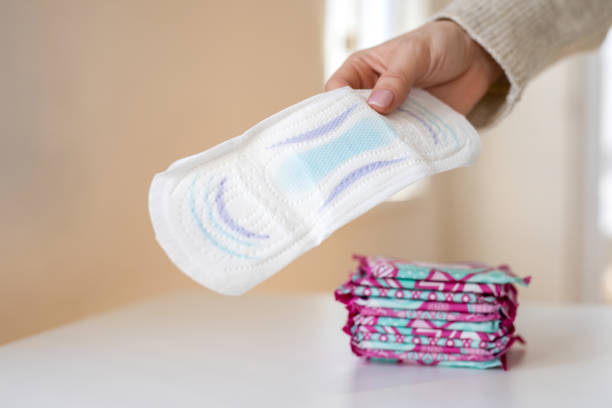
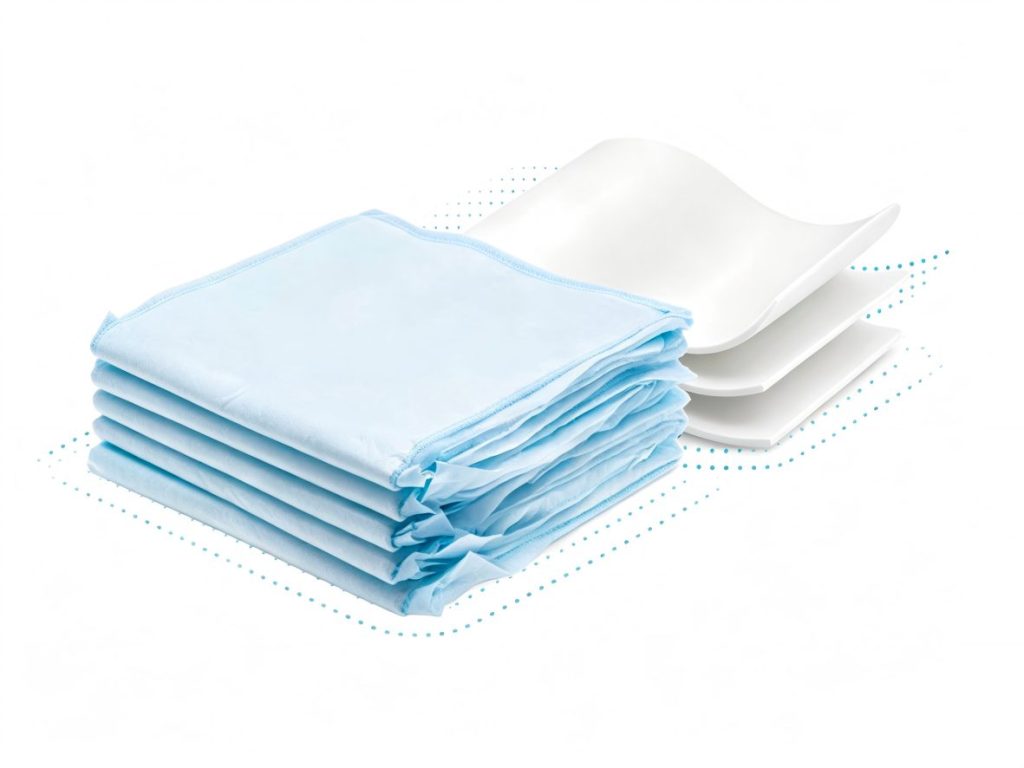
The backsheet of a diaper or sanitary napkin is easy to overlook, it’s the layer nobody sees. But for manufacturers, it’s one of the most technically demanding components to produce. Getting it wrong affects everything: product comfort, regulatory compliance, and ultimately, whether a brand’s end users come back.
Most hygiene backsheets are a laminate of two materials: a PE breathable film and a non-woven fabric. The lamination process bonds them together using a solventless adhesive — straightforward in theory, but genuinely difficult in practice. The reason is that the two goals of the process work against each other. Strong adhesion requires adhesive coverage and pressure. But breathability depends on keeping the film’s micropores open, and both adhesive and pressure threaten to seal them.
This guide walks through the key process variables, common failure points, and equipment considerations for getting this lamination right.
Why Laminating Breathable Film with Non-Woven Fabric Is So Challenging
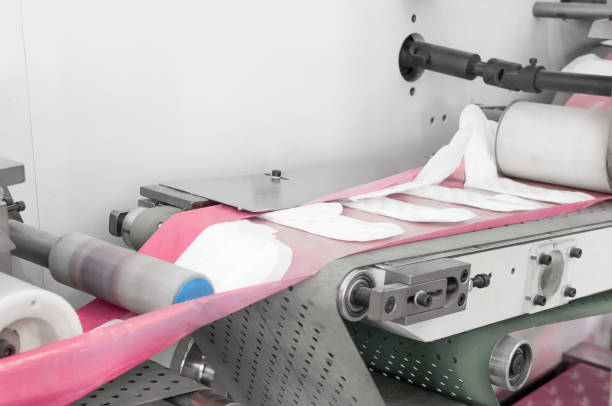
Breathable film is thin typically between 12 and 20 gsm and sensitive to both heat and tension. It achieves breathability through millions of microscopic pores created during a stretching process. Those pores are functional, not decorative, and they’re easy to damage. Apply too much adhesive, run too high a nip pressure, or let the film stretch on the unwind, and MVTR (Moisture Vapor Transmission Rate) drops. In some cases, it drops enough to fail the product specification entirely.
Non-woven fabric presents a different set of problems. Its surface is lofty and uneven, which means adhesive doesn’t distribute across it the way it would on a smooth film. Apply too little adhesive and the bond is weak, the laminate delaminates in use or during converting. Apply too much and the adhesive strikes through to the surface, causing tack and blocking the film’s pores from the non-woven side.
The third problem comes from combining the two. PE film and non-woven fabric have different elongation characteristics. Run them through a laminator at the same tension settings and the film will stretch more than the non-woven, then relax after the nip, producing wrinkling, tunneling, or curl in the finished roll. These are the defects that show up at the slitter or the converting line, not always during lamination itself, which makes them harder to trace back to the source.
3 Common Lamination Defects in Diaper Backsheet Production and How to Fix Them
1. Maintaining Breathability After Lamination
This is the issue most hygiene lamination engineers spend the most time on. The film arrives with a tested MVTR value. After lamination, that value should be as close to the original as possible but the lamination process itself is the biggest risk to it.
The practical solution is strict control over coating weight. For this substrate combination, the target range is typically 0.8 to 1.2 gsm. Below that, bond strength becomes unreliable. Above it, the adhesive begins to fill the micropores. At such low coating weights, gravure roll coating often lacks the precision required — spray application or micro-roller coating are the more reliable options.
Nip pressure compounds the issue. Even with correctly applied adhesive, excessive nip force pushes the adhesive into the film structure. Testing MVTR on laminated samples, not just on the base film, before and after curing is the only way to confirm the process is within spec. Many production lines skip this step, and it tends to show up later as field complaints.
According to EDANA’s nonwovens industry guidelines, hygiene products have increasingly stringent breathability standards, particularly for products in direct skin contact. Manufacturers targeting export markets should verify their MVTR testing method aligns with ISO 15106 or ASTM E96, depending on the destination market.
2. Managing Tension Across Two Substrates That Don’t Behave the Same Way
Tension control is often treated as a machine setup issue rather than a process engineering issue. In hygiene backsheet lamination, that framing leads to problems.
Because PE film and non-woven have different elastic moduli, each unwind needs its own independently calibrated tension system. PE film typically runs at 10 to 30 N, low enough to prevent stretching, but stable enough to maintain web tracking. Non-woven runs higher, usually 20 to 50 N, and tolerates less variation in surface texture than film does.
The signs of tension mismanagement are visible in the finished roll: edge curl, intermittent wrinkling along the machine direction, or tunneling between the two laminated layers. These defects often worsen after the roll is moved to a curing room, because the film continues to relax under its own stored tension. By the time the roll is unwound again for converting, the damage is already set.
Closed-loop tension control where the system continuously measures and adjusts rather than holding a fixed setpoint is standard practice for substrates in this weight range. Manual tension adjustment at these speeds and film weights introduces more variability than most processes can absorb.
3. Getting the Adhesive Chemistry Right for Skin-Contact Applications
Solventless two-component adhesives are the industry standard for hygiene lamination, and for good reason: no solvent residuals, faster curing, and better compatibility with thin substrates. But they introduce their own risks.
The A/B mix ratio must be accurate to within ±1%. Beyond that tolerance, the crosslink density becomes unpredictable which means the cured adhesive may be too stiff, too soft, or insufficiently cured for skin-contact use. A laminate that passes peel strength testing but feels stiff against skin will still generate complaints, particularly in baby diaper applications where hand feel is evaluated closely by buyers.
Curing conditions matter too. The standard range for hygiene-grade solventless adhesives is 35–40°C for 24 to 48 hours, ideally in a forced-air curing room rather than ambient temperature. Rushing the cure or allowing temperature variation across the roll produces uneven crosslinking which shows up as inconsistent peel strength across the web width.
For adhesive selection, manufacturers producing for regulated markets should work with suppliers that can provide migration testing data and skin-safety documentation. FEICA, the European adhesive industry association, publishes guidance on adhesive compliance for hygiene applications that is worth referencing during supplier qualification.
Solventless Lamination Process Parameters for Hygiene Backsheet Applications
The table below covers the parameters that have the most direct impact on laminate quality for hygiene backsheet applications.
| Parameter | Recommended Range | Notes |
| Adhesive Coating Weight | 0.8 – 1.2 gsm | Lower end preferred for MVTR retention |
| Lamination Temperature | 35°C – 45°C | Verify against film and adhesive TDS |
| PE Film Web Tension | 10 – 30 N | Requires closed-loop control |
| Non-woven Web Tension | 20 – 50 N | Set independently from film unwind |
| Nip Pressure | Low to medium | Calibrate against coating weight |
| Line Speed | 80 – 200 m/min | Higher speeds need faster tension response |
| A/B Mix Ratio Accuracy | ±1% or better | Critical for curing consistency and softness |
| Curing Temperature | 35°C – 40°C | Forced-air room preferred |
| Curing Time | 24 – 48 hours | Test peel strength at 24h before releasing |
These ranges are starting points, not absolute targets, the right settings depend on the specific film and non-woven grades being run, and on the adhesive system in use. Any new substrate combination should go through a trial run with MVTR and peel strength testing before moving to full production.
How to Choose a Solventless Laminating Machine for Sanitary Product Manufacturing
Most general-purpose laminators can bond film to non-woven. Far fewer can do it consistently at the coating weights and tension tolerances that hygiene backsheet production requires. When evaluating equipment for this application, the following capabilities are non-negotiable.
- Coating precision at ultra-low weight. The equipment needs to demonstrate stable, repeatable coating at 0.8–1.2 gsm across the full web width. This is harder than it sounds. At these weights, small variation in roll geometry, adhesive viscosity, or ambient temperature translates directly into MVTR variation across the web.
- Independent closed-loop tension control. Separate dancer systems for each unwind, with real-time feedback and correction. This is what separates equipment designed for thin-film hygiene substrates from equipment that has been adapted to run them.
- Accurate adhesive mixing. Real-time monitoring of A/B ratio — not just a flow meter, but a system that detects and flags deviations before they affect the laminate. For hygiene applications, this is also a compliance issue, not just a quality one.
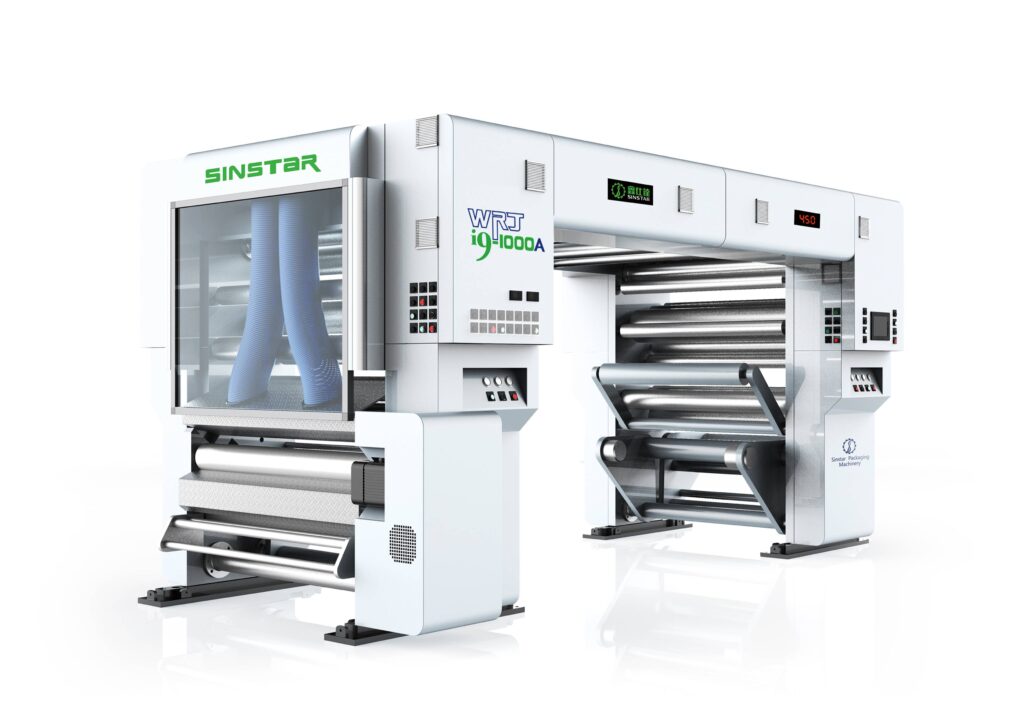
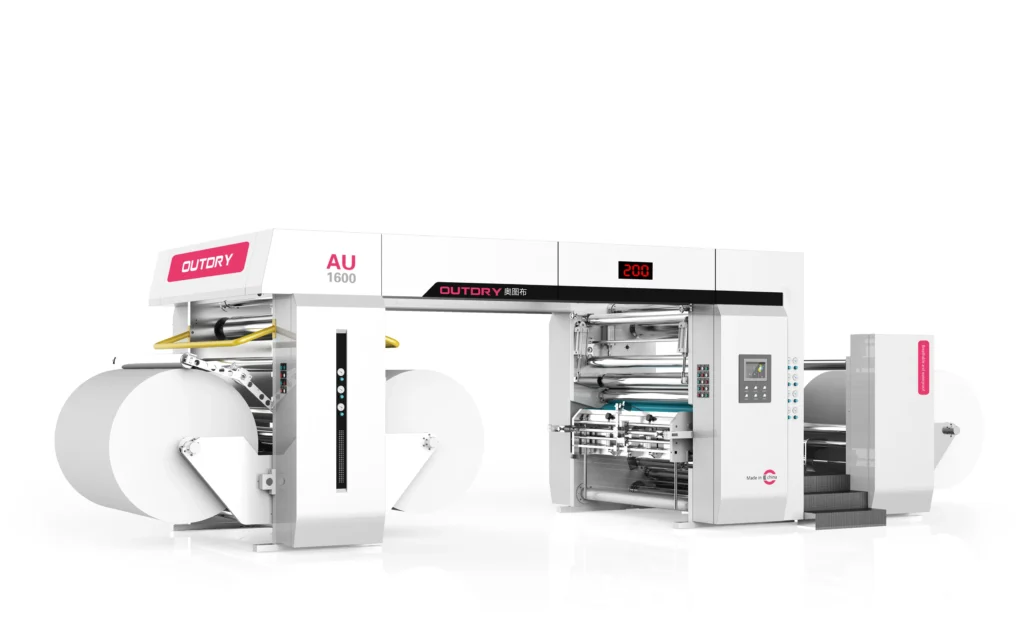
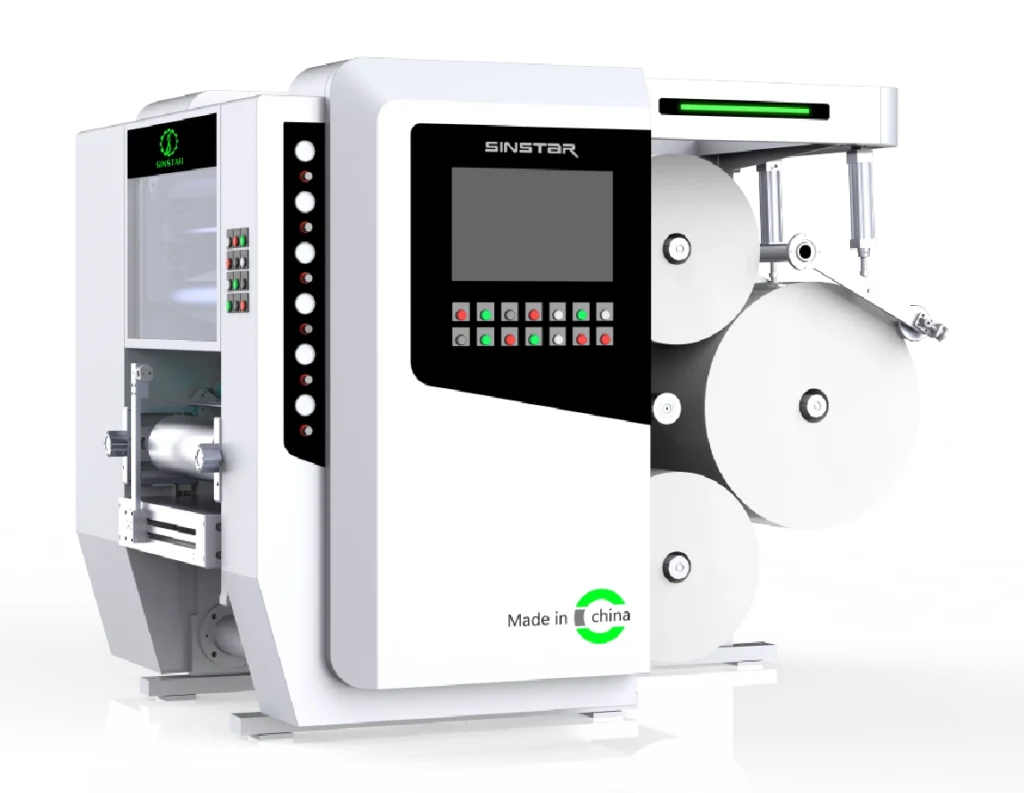
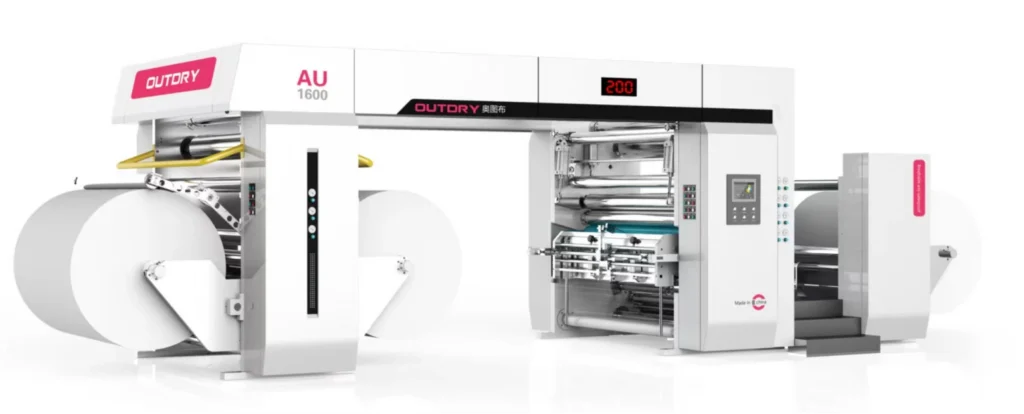
Sinstar’s Outdry series solventless laminators were developed with hygiene film applications in mind. The coating system holds ±0.1 gsm tolerance at production speed, the tension control runs independently for each substrate down to 12 gsm and below, and the Acuratio mixing system provides continuous A/B ratio verification. For manufacturers running or planning to run hygiene backsheet production, the machine is available for material trials with customer-supplied substrates before purchase which is worth taking up before committing to any equipment decision.
Hygiene backsheet lamination is a process where the margin for error is genuinely narrow. The film is fragile, the adhesive window is tight, and the end product has skin-contact requirements that don’t forgive inconsistency. Most of the failures that show up in production — blocked micropores, delamination, curl, stiff hand feel — trace back to process settings or equipment that weren’t configured specifically for this substrate combination.Getting it right is a matter of running the right parameters, verifying with the right tests, and using equipment that can actually hold the tolerances the process demands.