Single Station vs Dual Station Solventless Laminating Machine: Which One Fits Your Production?

Single station laminators suit lines that don’t change rolls often and need precise tension control. Dual station machines fit better where roll changes happen frequently and keeping the line running matters more than anything else. Neither machine is objectively better, the right pick depends on your order structure and what you’re laminating.
This guide covers four things worth checking before you decide: what downtime actually costs you, how tension control differs between the two setups, the space and labor each one takes, and why your order patterns matter more than most buyers realize.
Single Station vs Dual Station Laminator: How Much Does Downtime Really Cost You?
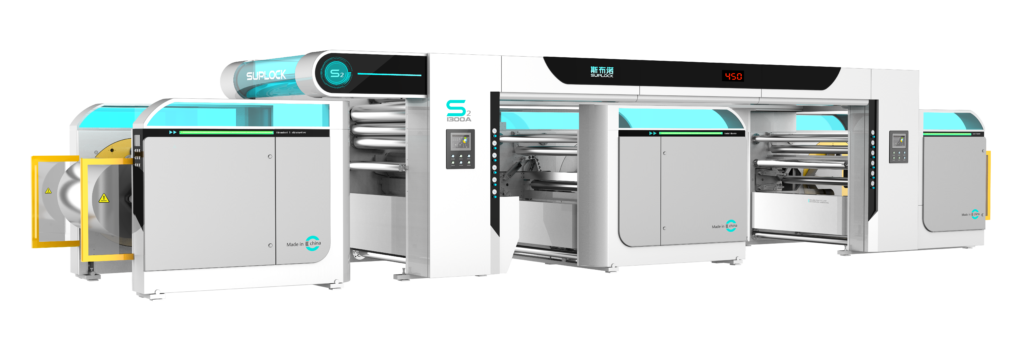
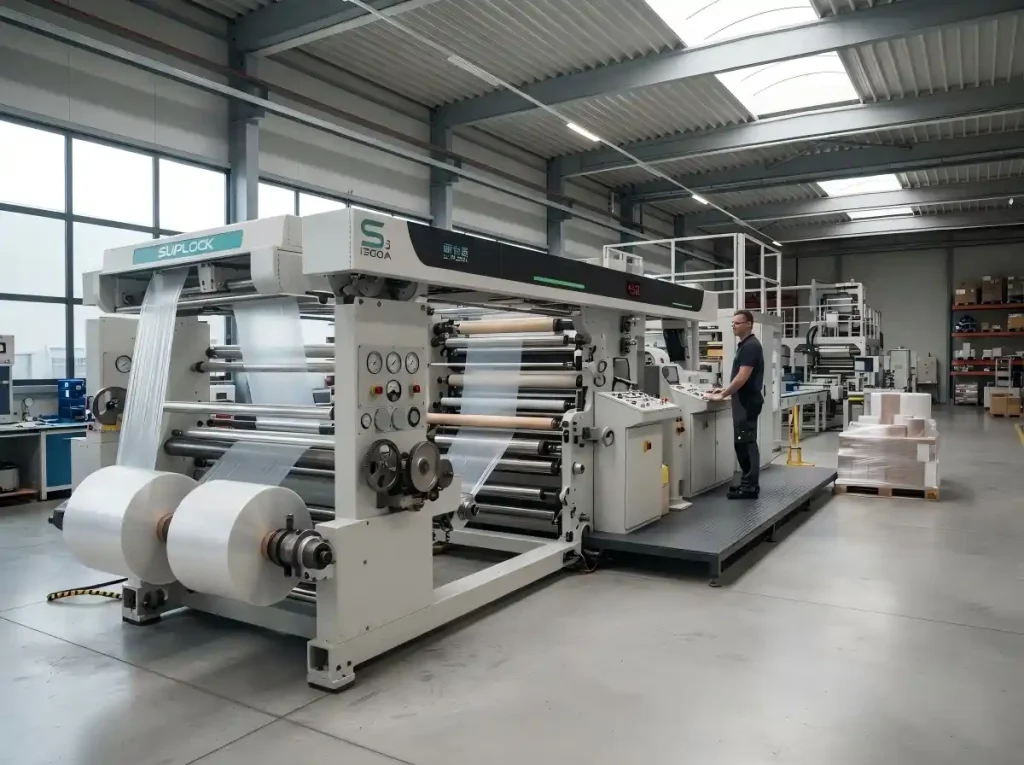
A dual station laminator has two unwinding positions instead of one. While material runs off the first station, the operator loads a new roll onto the second, so when the first roll runs out, the machine switches over without stopping. On a single station machine, that switch means the line comes to a halt while someone swaps the roll manually.
The time lost per changeover on a single station setup usually runs somewhere between a few minutes and upwards of ten, depending on the operator’s experience and how the unwinding unit is set up. That doesn’t sound like much on its own, but multiply it across a full shift. A plant running three or four roll changes a day loses a chunk of production time that adds up over a month.
Here’s a rough way to think about it: take your average changeover time, multiply by how many changeovers happen per day, then multiply by what an hour of production is worth on that line. That number tells you what single station downtime is actually costing you, and it’s the figure you should compare against the price difference between a single and dual station machine. If the gap closes within a year or two, dual station starts to look like the better investment. If it would take much longer than that, the math may not support the upgrade yet.
Tension Control in Solventless Lamination: Why Single Station Still Has the Edge
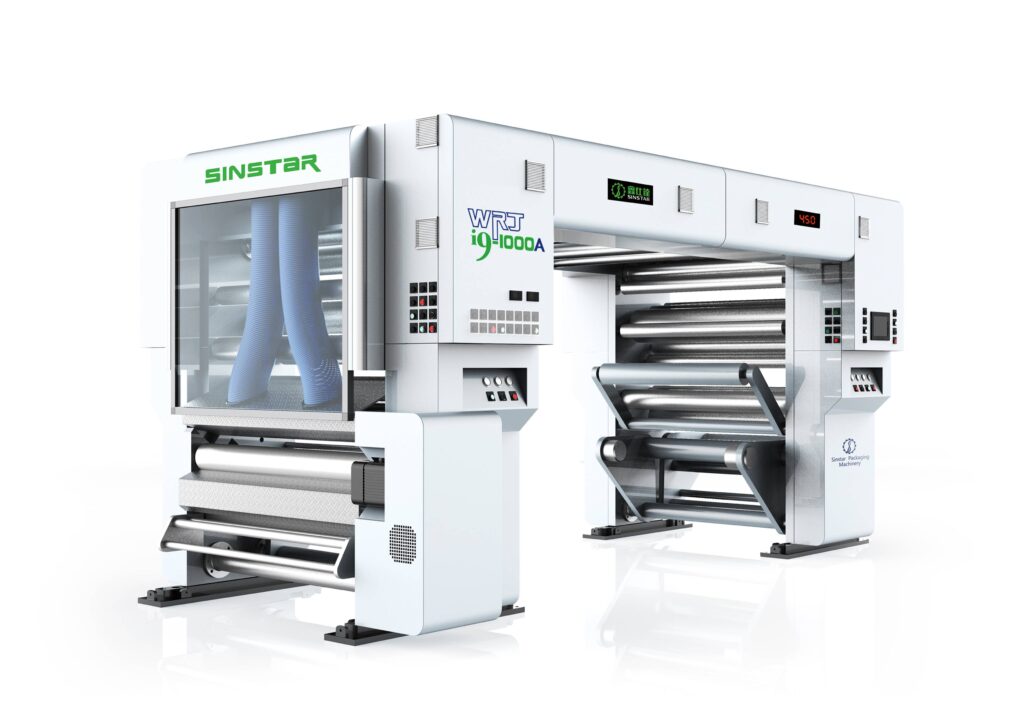
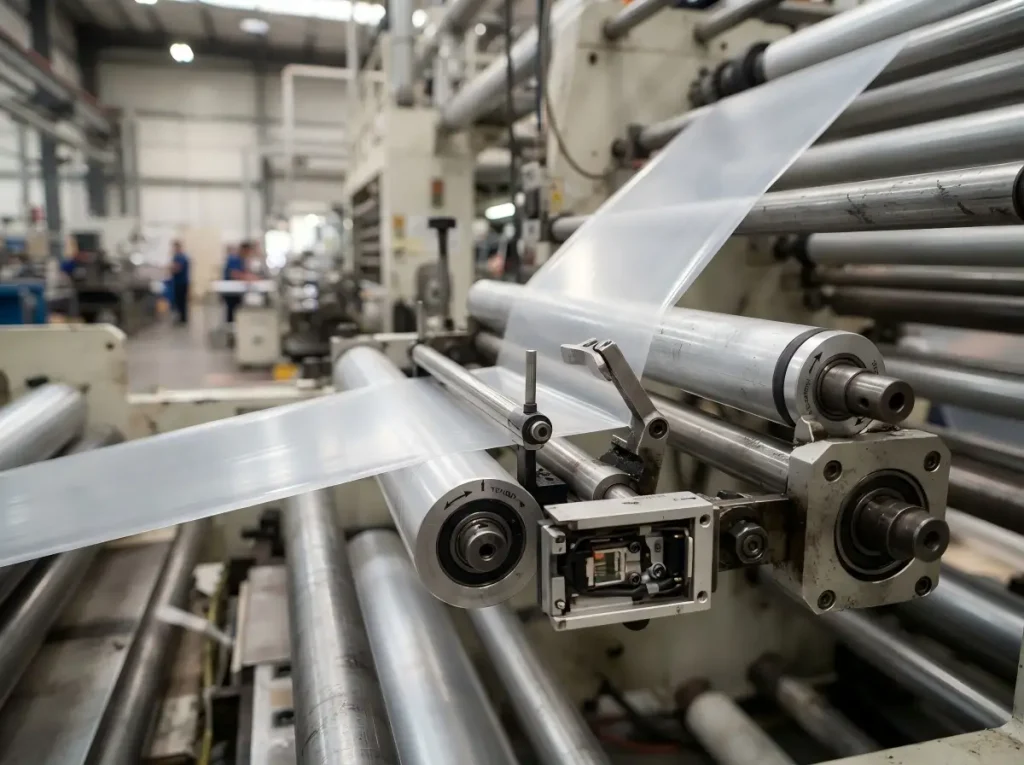
Dual station machines fix the downtime problem, but the longer material path and extra mechanical handoffs make tension harder to hold steady. Single station laminators run a shorter route from unwind to lamination, with fewer points along the way where web tension can drift.
Some products feel this more than others. Standard mid-weight films for food or industrial packaging probably won’t show any difference between the two setups. Thinner substrates are a different story, low-gauge BOPP, or anything that stretches or deforms under uneven pull, tends to come out more consistent on the shorter single station path.
Registration-sensitive jobs run into the same issue. Printed film that needs to line up cleanly during lamination can get thrown off by tension fluctuations that wouldn’t even register on a thicker, more forgiving material.
If sensitive or thin substrates make up a good chunk of your product mix, it’s worth weighing the time saved on roll changes against tighter web control. Sometimes dual station still wins. Other times the scrap from tension issues costs more than the downtime ever did.
Floor Space and Labor Costs: What Dual Station Laminators Really Require
Dual station machines take up more floor space, which matters if your plant is already tight on room or you’re planning to add other equipment down the line. That extra footprint isn’t always factored into the initial quote comparison, but it’s worth walking your floor plan before committing either way.
Labor is the other piece that often gets overlooked. A single station machine is typically simple enough for one operator to run. A dual station setup usually needs a bit more coordination, since someone has to keep both sides stocked and ready without falling behind the running station. It’s not a dramatic difference, but on a lean staffing model, it’s one more thing to account for.
Neither of these points should be the deciding factor on their own, but they belong in the same conversation as the price tag and the downtime savings, since together they shape what the machine actually costs you to run day to day.
Order Frequency and ROI: Is a Dual Station Laminator Worth the Investment?
This part gets skipped most often, and it probably matters more than the downtime math itself. A dual station machine only pays off if changeovers happen often enough for the non-stop feature to actually get used.
Plants running long, large-volume orders where a single roll lasts most of a shift already don’t change rolls much. The dual station’s main advantage sits mostly unused in that setup, and you’re paying extra for something that isn’t earning its keep.
It’s a different story with a mix of shorter jobs, smaller batches, frequent product changeovers, a customer base with orders all over the map. Roll changes happen often enough there that dual station starts to make sense, and this is usually where the downtime math from earlier tips clearly in its favor.
- A simple way to check: if your average roll outlasts a full shift, dual station probably isn’t worth it yet. Changing rolls several times within a single shift on a regular basis? That’s when it’s worth a closer look.
Single Station or Dual Station? 3 Questions to Ask Before You Buy
A few questions worth sitting with before requesting quotes:
- How often are rolls changing? Several times a shift points toward dual station. Once a shift or less, single station probably still fits.
- Are the main products tension-sensitive? Thin films, substrates that are tricky to handle, or jobs with tight registration requirements do better on single station’s shorter material path.
- Is there room and staffing for a dual station line? If floor space or labor is already tight, that’s a real cost to weigh against whatever downtime it saves.
No single right answer here. Plenty of plants run single station machines for years and never feel the need to change. Others hit a wall within the first year, once order volume picks up and single station just can’t keep pace anymore.
Which Sinstar Laminator Fits Your Line?
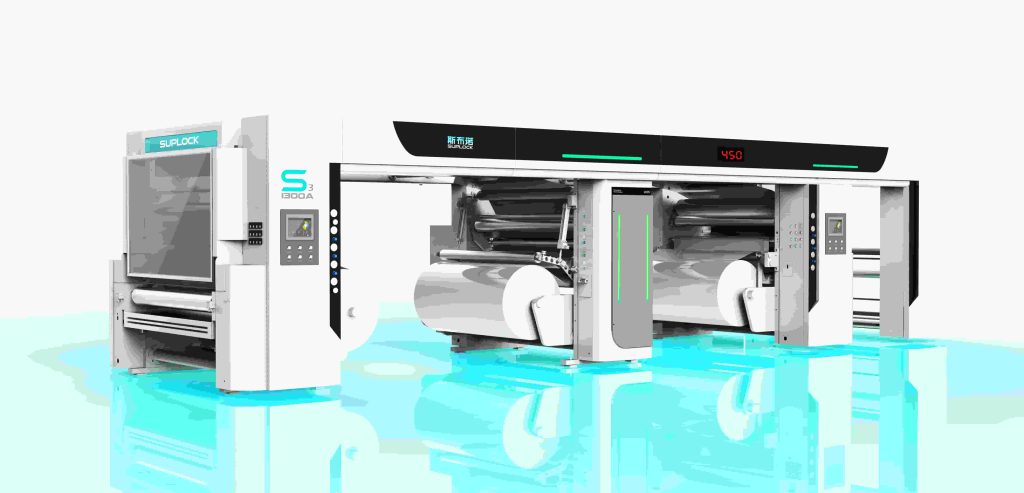
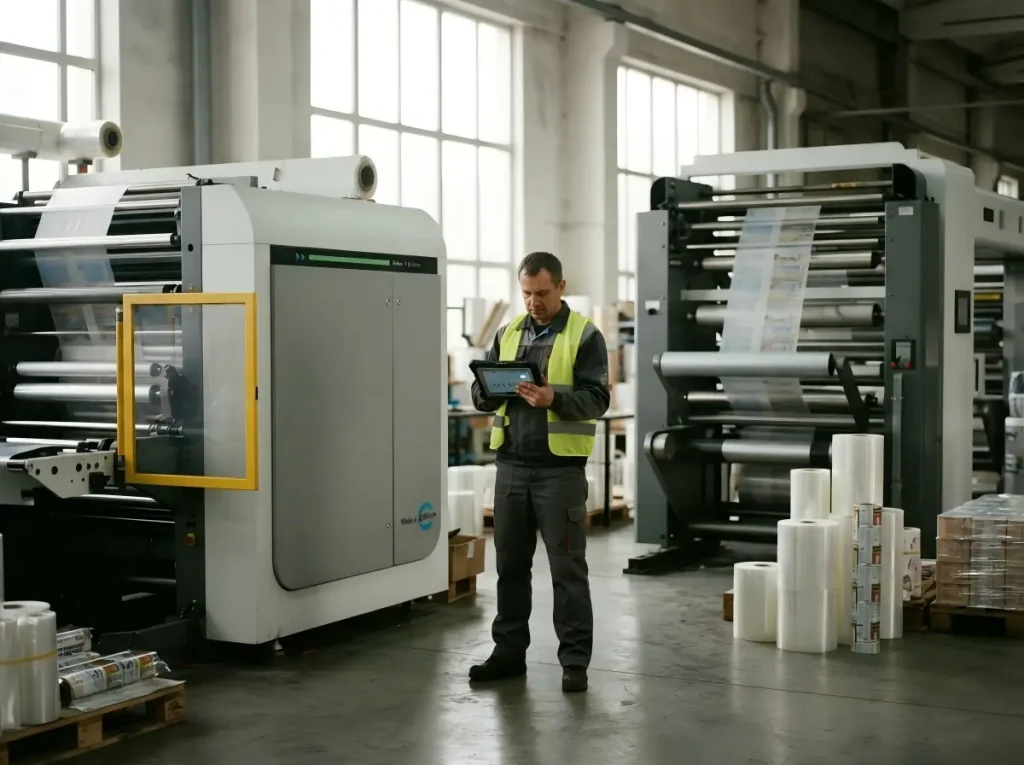
Once you’ve worked through your changeover frequency and product mix, the decision usually becomes clearer than it looks on paper. If your production runs long and steady with sensitive substrates, a single station configuration like the WRJ i9 series covers most standard two-layer lamination needs without the added complexity. If your order book is more varied and changeovers are frequent enough to justify the investment, a dual station option such as the S2 series is built specifically to keep production moving between roll changes.
Either way, the decision holds up better when it’s based on your actual changeover data and product requirements rather than a general assumption that more automation always means better output. Industry benchmarking from groups like FPA (Flexible Packaging Association) also points to the same conclusion — equipment selection tends to pay off most when it’s matched to specific line throughput and product characteristics, not just overall plant size.