How Beginners Can Master Solventless Laminating Machine Operation in Just 2 Days: Tips and Common Mistakes to Avoid

Many packaging plants are hesitant to switch to solventless laminating machines. Operators who have spent years working with solvent-based equipment may expect the new process to be difficult to learn. Common concerns include tension control, uneven coating, and defects that can affect an entire roll.
In practice, the learning curve can be much shorter than expected. Modern solventless laminating machines often use straightforward controls and automated settings, making them easier for new operators to learn. With proper training and hands-on practice, a beginner can often become comfortable with basic operation within two working days.
This guide explains what a new operator can expect during those first two days, which operating techniques deserve the most attention, and which common mistakes can make the learning process longer. These points are based on practical experience with operators who had little or no previous experience with solventless lamination but were able to achieve stable operation after focused training.
Why Solventless Lamination Can Be Easier for New Operators
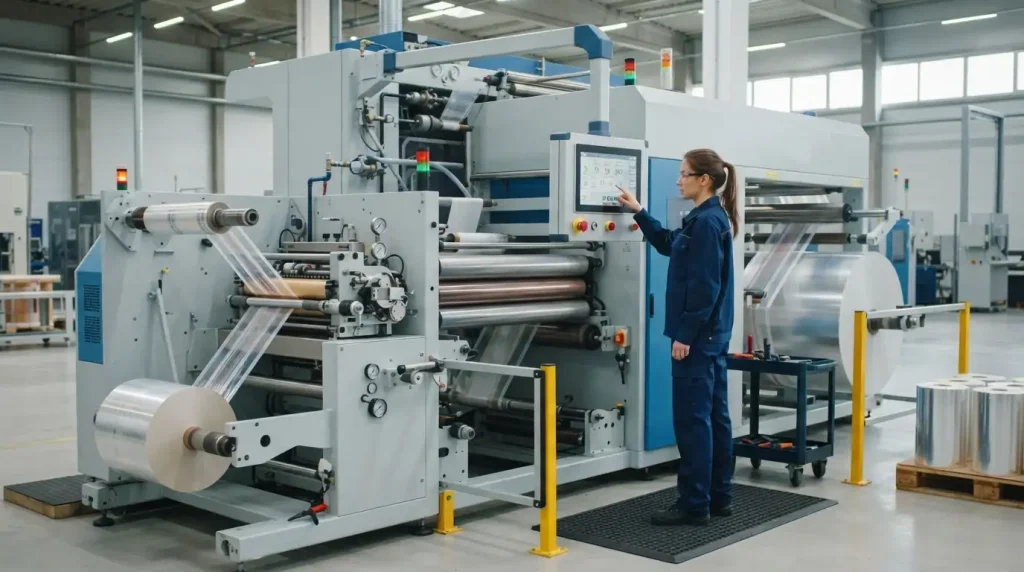
Traditional dry laminators require careful management of ovens, solvent recovery systems, and explosion risks. Solventless equipment removes those layers. There is no drying tunnel to monitor and no solvent handling. The control interface focuses on a smaller set of parameters: tension, coating weight, nip pressure, and line speed.
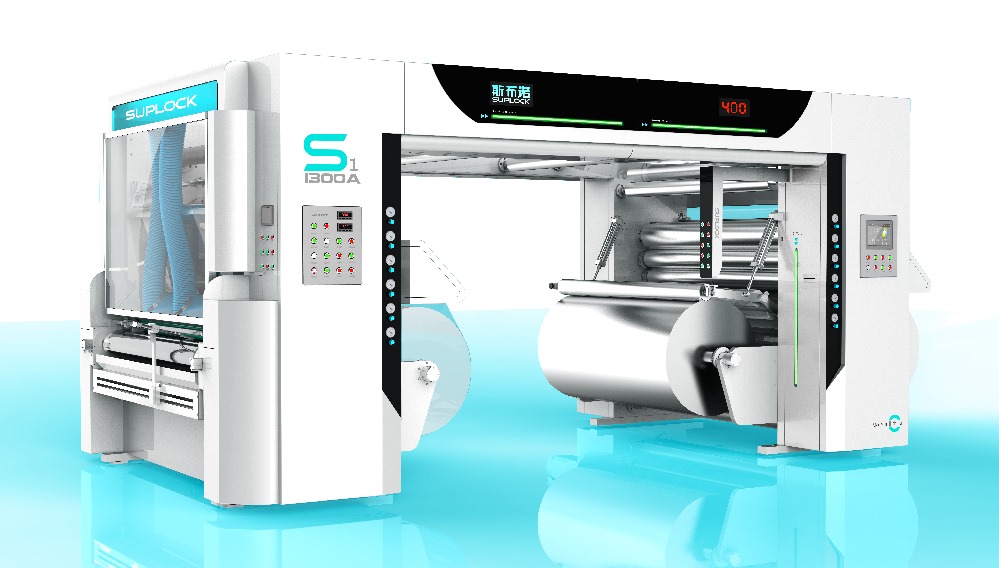
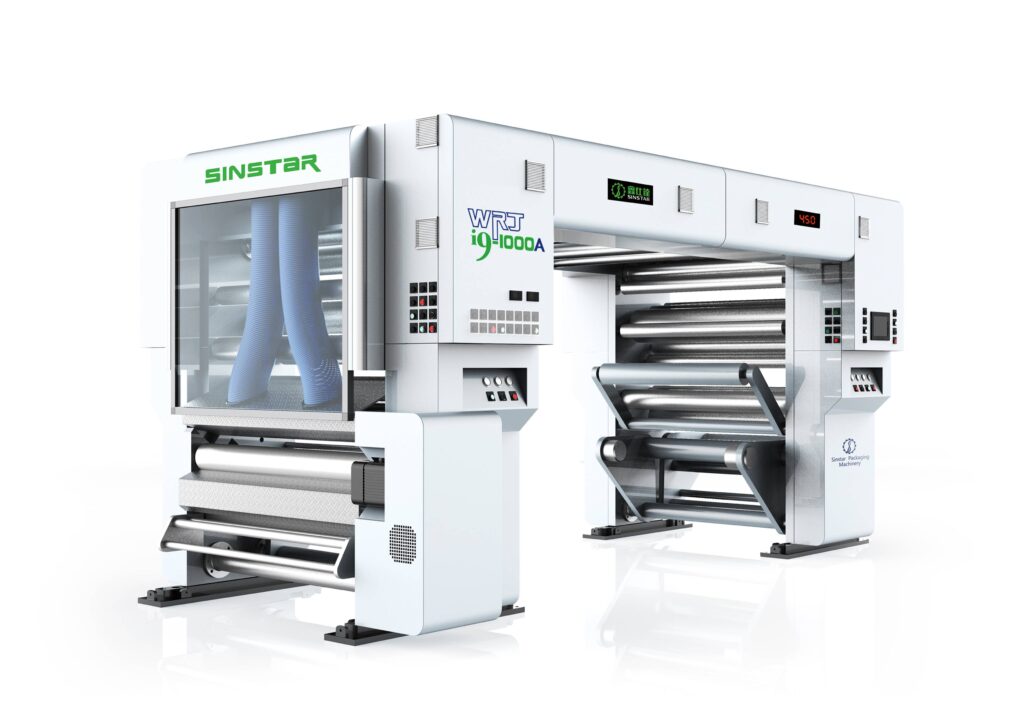
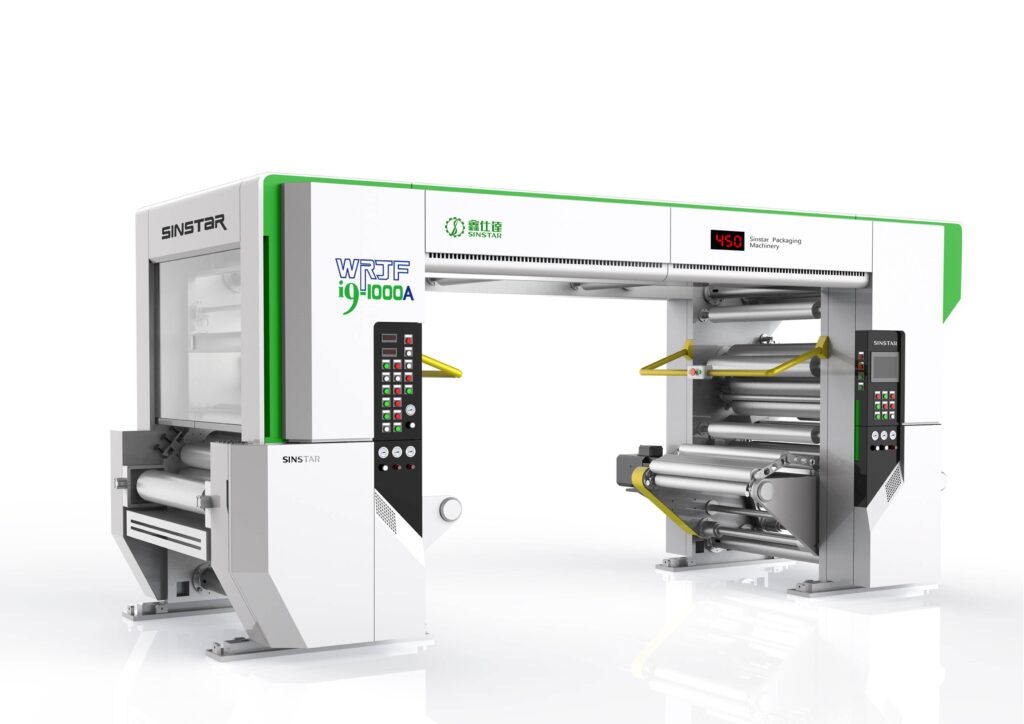
Machines such as the WRJ i9 series use digital touch screens, multi-stage tension control, and shaftless loading. These features reduce the number of manual adjustments an operator must make during a run. Once the basic sequence is understood, the machine itself helps maintain consistency. That is why many plants report that new staff can handle standard two-layer jobs after only a short training period.
A Two-Day Solventless Laminating Machine Training Plan
Day 1 is mainly about getting familiar with the machine and learning the basic operations safely.
In the morning, the operator can first go through the machine layout and safety procedures. This includes identifying the main unwind, coating unit, second unwind, laminating nip, and rewind section. It is also important to know where the emergency stops are and to check the required air pressure, power supply, and pneumatic connections before starting the machine.
The afternoon can be used for basic web handling. Load the film with the shaftless system and run the machine slowly without adhesive. This gives the operator a chance to practice centering the film with the web guide and resetting roll diameters from the touch screen. A few short empty runs are usually enough to get a feel for keeping the web stable and properly aligned. By the end of the first day, the operator should be able to start and stop the machine and make basic tension adjustments without assistance.
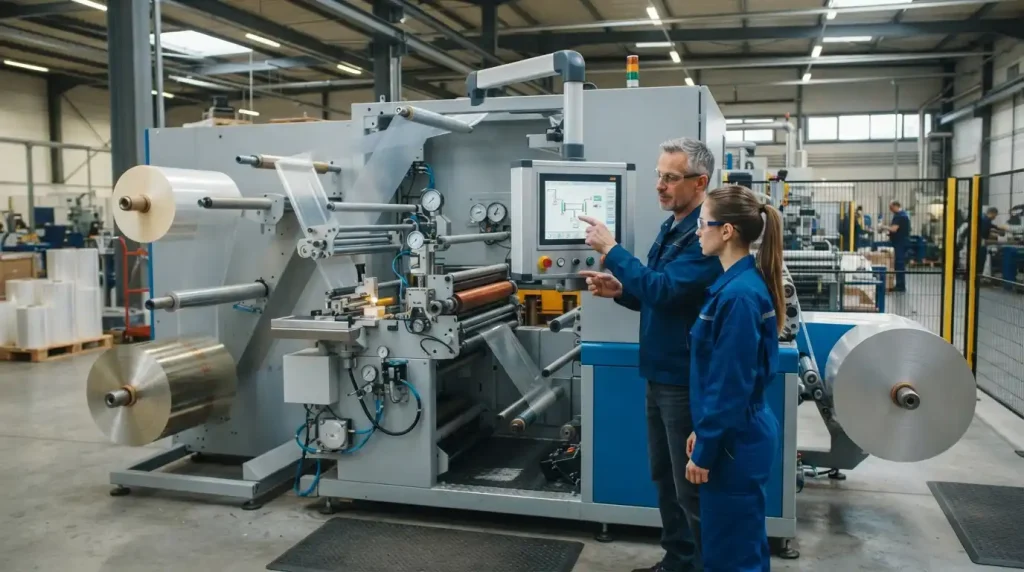
Day 2 is where the operator starts working with the actual laminating process.
Begin by preparing the adhesive. For most two-component solventless systems, the mixing ratio needs to be kept within the range specified by the adhesive supplier. The mixing unit should be properly calibrated, and the coating rollers should be clean before production. The roller gap can then be adjusted according to the required coating weight.
Once the basic settings are ready, load the actual substrates and set the tension for the specific films being used. There is no need to rely on the settings from an earlier job, since different films can behave quite differently during lamination. Start with a short trial at a lower speed and check the laminate for appearance, coating uniformity, and initial bonding. If an adjustment is needed, change the nip pressure or line speed gradually rather than making several changes at once.
Later in the day, the operator can run through the complete process, from machine start-up and material feeding to lamination, rewinding, stopping, and changeover. A short production run under supervision is a useful final step. The operator can also record the settings used for tension, coating weight, nip pressure, and line speed so they can be referred to during future jobs.
The main advantage of this approach is that the operator is not expected to learn everything while dealing with production pressure. The first day is used to understand the machine and get comfortable with basic movements, while the second day introduces the actual laminating process. Starting at full production speed too early can make troubleshooting harder and may lead to unnecessary material waste.
Key Operating Skills for New Operators
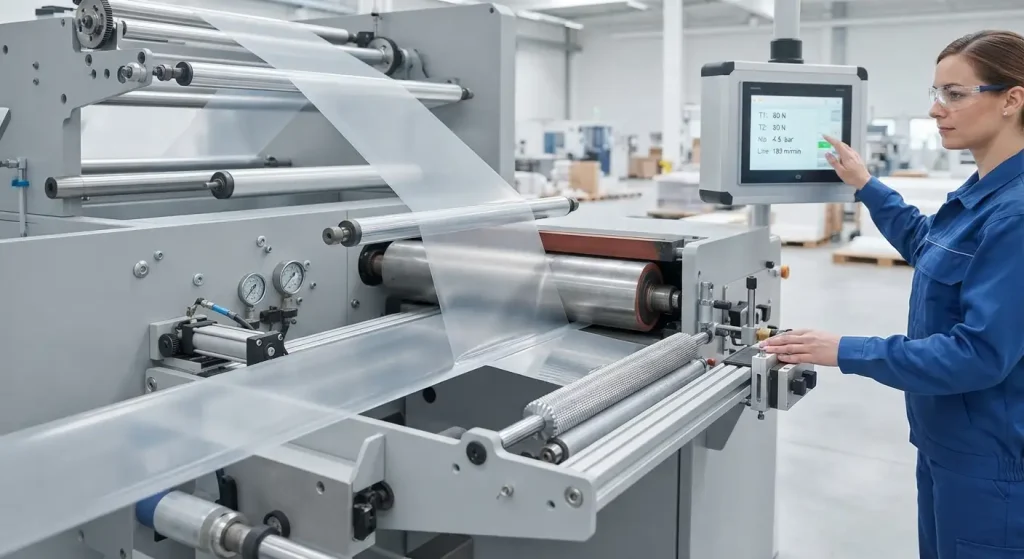
Good tension control is one of the key skills for getting consistent lamination results. The two webs need to run at the right tension for their material properties. Using the same tension setting for films with different stretch characteristics can cause problems such as tunneling after the finished roll cools and settles.
Keeping the coating station clean is also important. Small amounts of adhesive residue on the rollers can create repeated defects across the roll. Cleaning the rollers at the end of each shift helps keep the coating surface stable and avoids unnecessary downtime.
Make use of the machine’s digital memory functions. When you find a stable setting for a commonly used structure, such as PET/PE or BOPP/CPP, save the parameters as a recipe. This makes it easier to set up the same job again without starting from scratch.
It is also worth checking the web path at the beginning of each new job. Run the machine at a lower speed for the first few meters and check the alignment, web edges, and wrinkles. If something is off, it is much easier to correct it before the roll builds up.
Common Mistakes and How to Avoid
New operators often run into a few simple problems when learning to operate a solventless laminating machine. Most can be avoided with a few basic checks.
1. Using the same tension settings as a solvent-based laminator
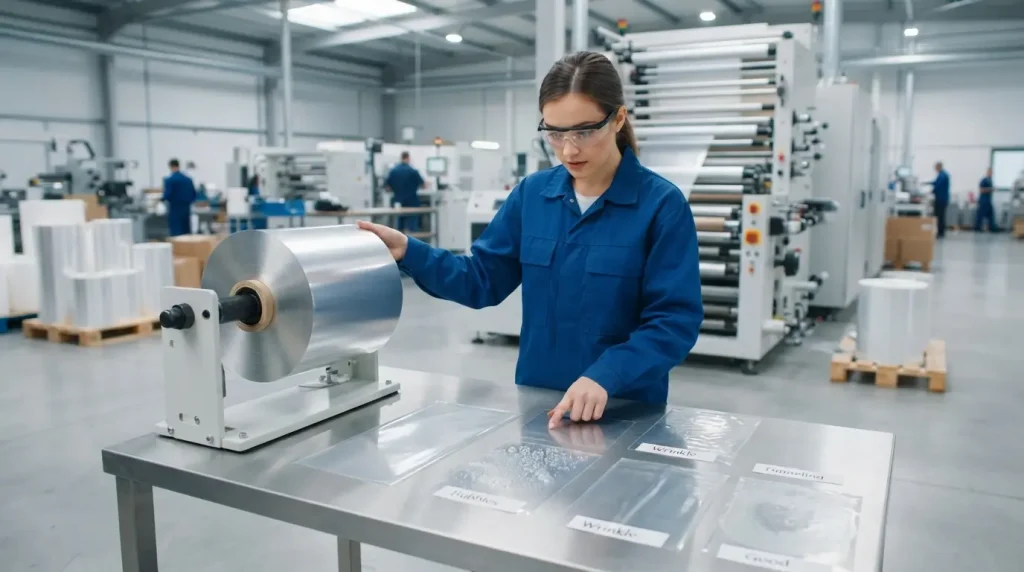
Solventless lamination is more sensitive to the elongation of the films. Using the same tension settings without considering the film properties can cause the two webs to stretch differently. Tunneling may then appear after the roll has cured. Always adjust the tension according to the specific films being used.
2. Mixing the adhesive incorrectly
An incorrect mixing ratio or adhesive used beyond its pot life can result in poor curing. The laminate may look acceptable immediately after production but develop problems later. Follow the recommended mixing ratio and use the adhesive within its specified working time.
3. Cleaning the rollers while the machine is running
Hard tools can damage the roller surface, while cleaning during operation can create safety risks and coating problems. Stop the machine completely, follow the lockout procedure, and use only the recommended soft cleaning materials.
4. Increasing the line speed too quickly
New operators may try to reach production speed before the web is properly centered. It is better to run the first 10–20 meters at a lower speed and check web alignment, coating, and lamination. A short setup period can prevent a much larger amount of material from being wasted.
5. Ignoring temperature and humidity
Room conditions can affect adhesive viscosity, curing, and film behavior. Check the temperature and humidity before starting the shift and keep a simple record. If the lamination quality changes during production, these records can help identify whether environmental conditions are a factor.
What to Practice After the First Two Days
By the end of the first two days, a beginner should be able to handle the basic production cycle independently. This includes preparing the machine, loading and threading the films, understanding the main control parameters, starting a production run, making basic adjustments, monitoring the laminate, and completing normal shutdown and cleaning.
That does not mean the operator has mastered every type of job. The next stage is gaining experience with different film structures, adhesive settings, and changeovers. Keeping a simple record of successful parameter settings can make this process easier. After the first week, these records can also be reviewed with an experienced operator to help identify and correct common mistakes.
Regular practice on less demanding jobs is another effective way to build confidence. With supervised production experience, operators can gradually become more comfortable with material changes, troubleshooting, and process adjustments. For many new operators, another week of hands-on production is enough to move from basic operation to more consistent day-to-day production.
Manufacturer support can also shorten the learning curve. Sinstar provides commissioning and operator training after installation, together with remote troubleshooting and after-sales support. Its machines also include IoT-based remote service features, allowing engineers to review machine conditions and assist with troubleshooting when an unusual issue occurs.
The goal of the first two days is therefore not to make a beginner an expert. It is to give the operator enough knowledge and hands-on experience to run the machine safely and correctly. Further production experience then builds the speed, judgment, and troubleshooting skills needed for more demanding jobs.
Sinstar’s WRJ i9 solventless laminating machine is designed with a straightforward control system and operating process, making it suitable for plants where new operators need to become familiar with the equipment in a short time.
If you are considering solventless lamination, you can also look through Sinstar’s solventless laminating machine range to compare different configurations. For a specific application, the substrate structure, adhesive system, production speed, and operator experience should all be considered before selecting a machine.