WVTR vs MVTR in Breathable Film Lamination

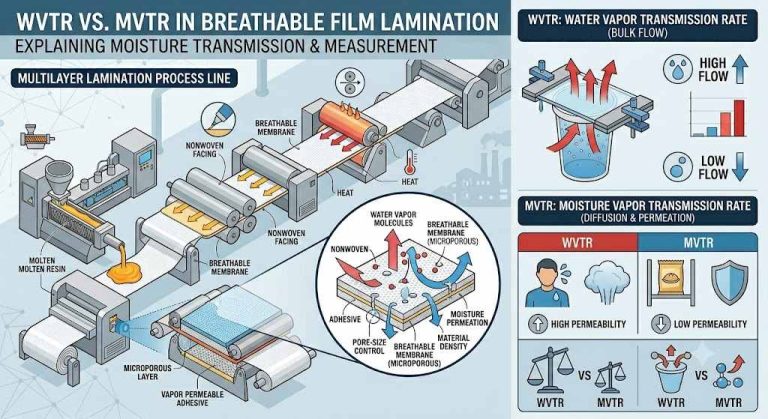
WVTR vs MVTR in Breathable Film Lamination – What’s the Difference?

Every week, we hear the same question from our quality control team or a confused customer: “Our breathable film spec sheet says WVTR, but our customer’s test report says MVTR. Are we talking about two different things?” Let me just clear this up for you right now so you can save time at your technical meetings:…

Laminate Breathable Films for Sanitary Products

How to Laminate Breathable Films for Sanitary Products?

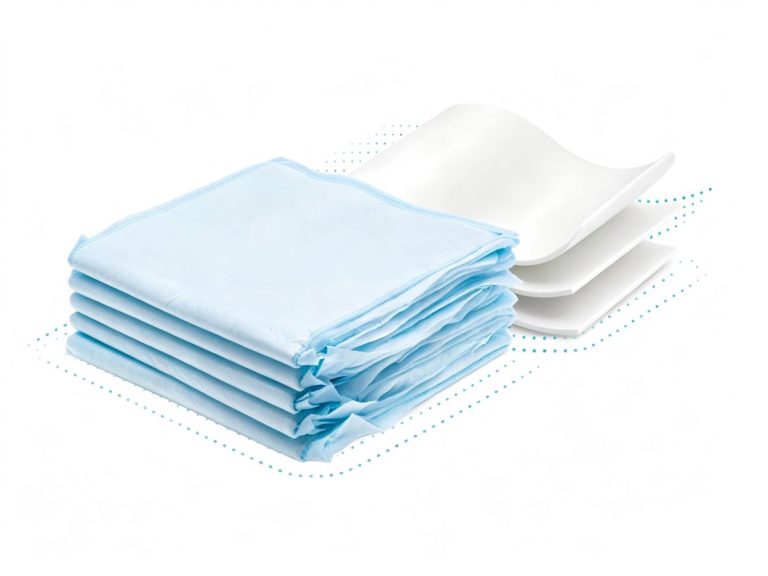
The backsheet of a diaper or sanitary napkin is easy to overlook, it’s the layer nobody sees. But for manufacturers, it’s one of the most technically demanding components to produce. Getting it wrong affects everything: product comfort, regulatory compliance, and ultimately, whether a brand’s end users come back. Most hygiene backsheets are a laminate of two…

Pet Food Packaging Lamination Structure

Best Lamination Structures for Pet Food Packaging

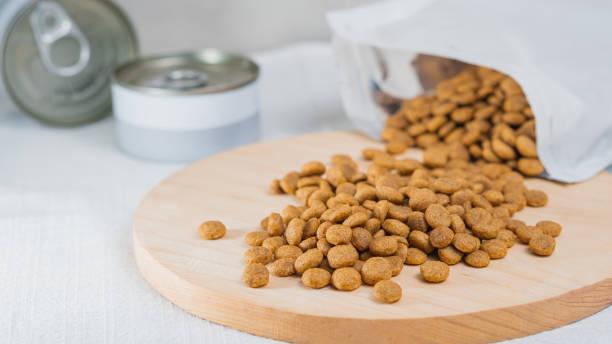
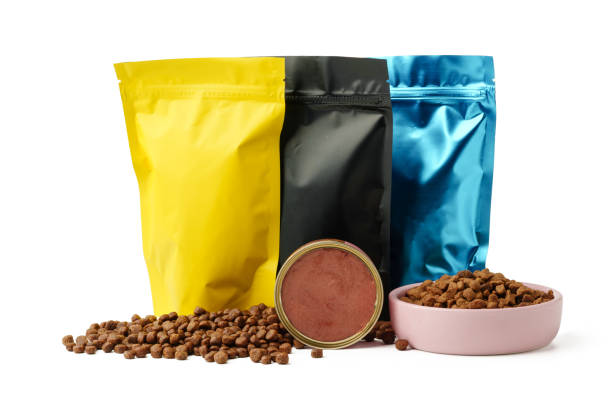
Choosing the right lamination structure for pet food packaging is not as straightforward as it looks. Most converters and brand owners know the usual suspects such as foil laminates, metallized films, mono-material PE, but fewer have a clear picture of when to use which, and why it actually matters. The wrong structure does not just cause technical problems….

pet-food-packaging

How Pet Food Packaging Requirements Affect Lamination Process and Equipment?

Not all flexible packaging performs the same job. A snack pouch and a wet cat food pouch may look similar on a converting line, but the demands placed on each structure — and the lamination process behind it — are genuinely different. Pet food packaging has to contend with a set of product characteristics that…

liquid pouch

Why Are More Liquid Food Manufacturers Choosing Flexible Pouches?

The liquid food industry has experienced a major transformation during the last few years. Flexible pouches have become the new standard for packaging products that used to require glass bottles and rigid plastic containers and metal cans. The format is now found in retail stores which sell both sauces and soups and dairy products and fruit…

pharmaceutical packaging laminator

Solventless Laminators in Pharmaceutical Packaging: Applications, Benefits & Trends

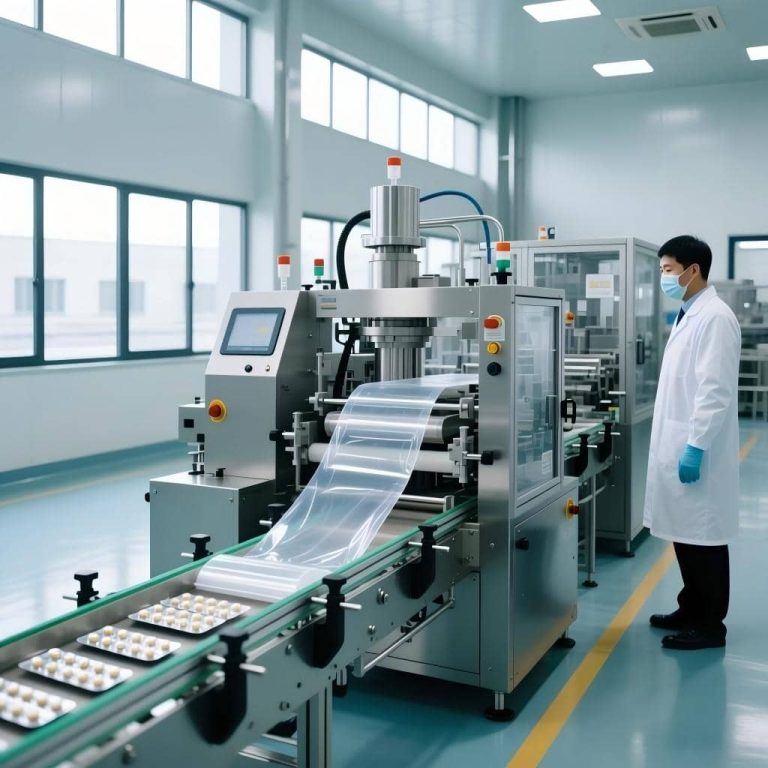
Decadently, the pharmaceutical packaging industry is experiencing a sea of ​​change occasioned by stringent safety measures, growing sustainability outlooks, and the increased need for high performance flexible packaging. The solventless laminator is one of the most notable advances. Initially started for food packaging work, solventless lamination machines are finding growing acceptance in pharmaceutical applications where the need…

From PET to Aluminum Foil: Solventless Lamination in Multi-Format Packaging Lines

From PET to Aluminum Foil: Solventless Lamination in Multi-Format Packaging Lines

In modern packaging production workshops, we often witness such a scene: the production line is running at high speed, processing a batch of PET/PE material bags for daily chemical products. However, as the next order approaches, the operator must quickly adjust the equipment to prepare for food packaging made of aluminum foil. This Multi-format production…

Blistering conveyer

From Food to Pharma: How Laminated Films Improve Tamperproof Container Safety

In the food and pharmaceutical industries, people are paying increasing attention to the safety of packaging. With the globalization of supply chains and the acceleration of product circulation, packaging not only needs to protect product quality but also ensure that consumers can determine whether the product has been opened or tampered with. Against this backdrop,…

End of content

End of content