How to Choose the Right Film Structure for Solventless Lamination

Choosing the right film structure for solventless lamination is often seen as one of the most critical strategic plus day-to-day choices in flexible packaging. Today, packaging converters really have to juggle several tough needs, like barrier behaviour, mechanical robustness, seal integrity, optical clarity, print friendliness, and of course cost effectiveness. Even though solventless lamination film systems can deliver excellent bonding efficiency, fast production speeds, and real environmental wins, for example, zero solvent emissions and smaller carbon footprints, their final results depend a lot on selecting compatible base film materials and on engineering a suitable multi-layer packaging film structure.
Throughout this comprehensive guide, we will sort of explore the basic notions of laminated film structure, look into the essential material properties, dig through some application recommendations, and then give expert selection tips. If you get a handle on these principles, packaging converters and brand owners can really improve product quality, extend shelf life, and boost solventless laminating machine productivity.
What Is a Film Structure in Solventless Lamination?
In flexible packaging engineering, a laminated film structure refers to the precise physical and chemical arrangement of multiple polymer layers combined together to achieve properties that no single layer could provide independently. Structures are categorized by their layer count and functional hierarchy:
- Single-layer film: Consists of a single extruded substrate, typically used for basic, short-term packaging where high barriers or specialized sealing are unnecessary.
- Duplex laminate: Combines two distinct substrates (e.g., printed outer web bonded to a sealant inner web) using a specialized adhesive applied via a solventless laminating machine.
- Triplex laminate: Integrates three distinct layers, frequently incorporating a central barrier foil or film layer sandwiched between a printable exterior and a sealing interior.
- Four-layer laminate: Advanced structures utilized in extreme-duty packaging such as military rations, heavy chemical packs, or high-end multi-functional retort pouches.
The material sequence and the integration of specialized functional layers dictate how the package performs throughout its lifecycle. Below is the standard functional breakdown of a multi-layer flexible package:
| Layer Designation | Primary Function | Typical Substrates |
| Outer Layer | Printing, gloss, scuff resistance, and structural stiffness | BOPP, PET, PA (Nylon) |
| Middle Layer | Gas, moisture, light, or aroma barrier performance | Aluminum Foil, EVOH, METPET, PA |
| Inner Layer | Heat sealing, chemical resistance, and food contact safety | PE (LLDPE/LDPE), CPP |
Factors to Consider When Choosing a Film Structure
Developing an optimized flexible packaging film structure requires evaluating multiple intersecting parameters spanning product chemistry, converting physics, and economic realities.
1. Product Characteristics
What the packaged goods are, physically and chemically, kind of decides the key needs for the multilayer packaging film:
- Dry food: usually wants a decent enough moisture and oxygen barrier, so things don’t go stale or clump up (biscuits, cereal, pasta).
- Frozen food: needs top-notch resistance to low-temperature impact and punctures, so it doesn’t split during freezer transfers or those rough movements (frozen vegetables, meats).
- Liquid: asks for very high burst strength, solid sealing performance, and puncture resistance, since the liquid weight pressure is pushing back all the time (juices, sauces, beverages).
- Powder: calls for stronger pinhole resistance and tolerance against fine particle seal contamination (milk powder, spices, flour).
- Retort food: requires extreme thermal stability to survive high-temperature sterilization autoclaving, up to 121°C or even 135°C (ready-to-eat meals, wet pet food).
- Medical products: must achieve absolute sterility, tamper evidence, and tight barrier defense against environmental contaminants.
2. Required Barrier Performance
Keeping the contents safe from environmental wear and tear needs a way to measure exact barrier limits against, like you know, several key factors:
- Oxygen: stops lipid oxidation, prevents rancidity, and slows down aerobic microbial growth
- Moisture: manages the water vapor transmission rate (WVTR), so moisture can’t push its way in for crispness loss, and also so it doesn’t leak out, leading to drying out
- Aroma: holds onto volatile flavor compounds inside the pack, while also blocking off outside smells or foreign odor.
- Light & UV: shields light-sensitive vitamins, colors, and fats from photo-oxidation, often by using metallized films or aluminum foil.
3. Heat Seal Performance
The sealing layer is the determining factor for the package’s integrity. Converters need to optimize seal strength, keep seal temperature low for high-speed packaging lines and provide high seal contamination resistance when fine powders or oils become trapped in the seal zone during packaging operations.
4. Mechanical Strength
A robust package must survive distribution hazards. Key mechanical metrics include tensile strength for web handling, tear resistance for easy opening features, puncture resistance against sharp product edges, and drop resistance for heavy pouches.
5. Printing Quality
Aesthetics drive consumer purchase decisions. Depending on the laminated film structure, converters choose between reverse printing (protecting ink between layers for high gloss and zero scuffing) and surface printing, balancing overall gloss and matte finish effects.
6. Cost Optimization
Commercial viability requires balancing performance, raw material cost, and production efficiency to maximize profitability without compromising package integrity.
Common Film Materials Used in Solventless Lamination
Selecting individual webs for a BOPP PET PE laminate or similar construction requires a clear understanding of each material’s distinct advantages and typical applications:
| Substrate Material | Key Advantages | Typical Applications |
| BOPP (Biaxially Oriented Polypropylene) | High clarity, low cost, excellent moisture barrier, good stiffness | Snack wrappers, bakery bags, confectionery |
| PET (Biaxially Oriented Polyethylene Terephthalate) | High tensile strength, exceptional stiffness, heat resistance, printability | Coffee pouches, stand-up pouches, general PET PE laminated film |
| PE (Polyethylene: LDPE/LLDPE) | Excellent sealing properties, high elongation, chemical resistance | Frozen food bags, detergent pouches, general sealing webs |
| CPP (Cast Polypropylene) | High heat resistance, excellent clarity, low seal initiation temperature | Retort pouches, high-speed snack packaging |
| PA (Nylon / Polyamide) | Outstanding puncture resistance, flex-crack resistance, aroma barrier | Vacuum packaging, heavy-duty meat and cheese pouches |
| EVOH (Ethylene Vinyl Alcohol) | Superior transparent oxygen and aroma barrier performance | Fresh food trays, high-barrier condiment pouches |
| Aluminum Foil | Ultimate 100% absolute barrier against light, moisture, and gases | Pharmaceutical blister packs, premium coffee, powdered milk |
Recommended Film Structures for Different Packaging Applications
Different product categories demand tailored laminated pouch structure designs to guarantee shelf-life stability and mechanical durability:
| Product Category | Recommended Structure | Engineering Rationale |
| Snack Foods | BOPP / CPP | Provides economic moisture protection, high clarity, and fast sealing. |
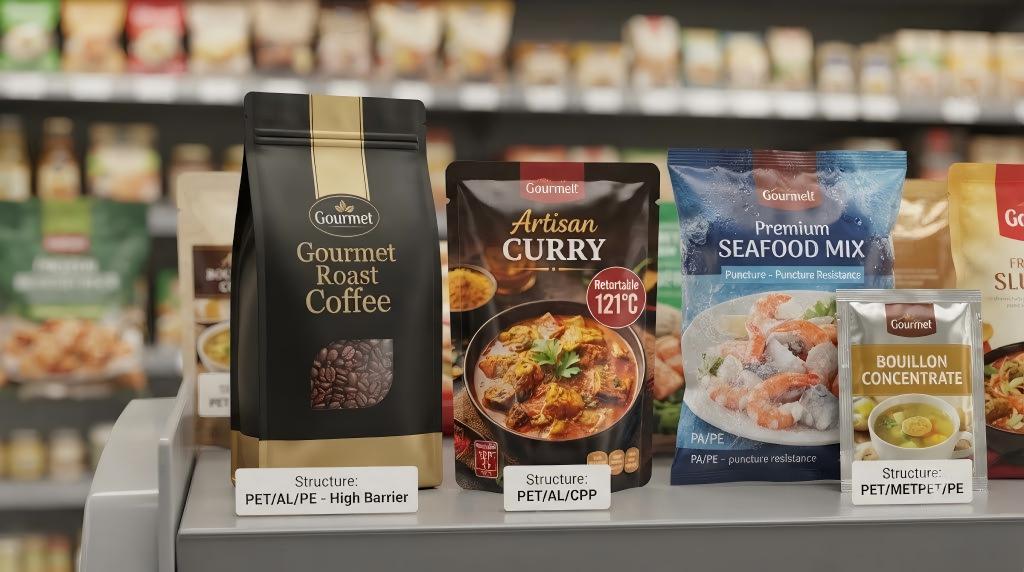
| Coffee & Tea | PET / AL / PE | Aluminum foil provides absolute aroma retention and light barrier protection. |
| Frozen Foods | PET / PE | PET offers print stability while PE withstands sub-zero freezing stresses. |
| Processed Meat | PA / PE | Nylon provides puncture resistance against bone edges and vacuum conformity. |
| Retort Food | PET / AL / CPP | Designed to endure high-temperature pressure sterilization without delamination. |
| Pet Food | PET / PA / PE | Multi-layer toughness withstands heavy weight and rough pet-store handling. |
| Liquid Detergents | PET / PE | Provides chemical resistance and robust burst-resistant seals. |
| Pharmaceuticals | PET / AL / PE | Absolute moisture and light barrier ensuring maximum drug stability. |
Duplex vs Triplex Film Structures
Choosing between duplex and triplex configurations represents a foundational design trade-off in converting operations.
Duplex laminates consist of two webs bonded together. Their primary advantages include lower cost, faster production speeds on the solventless laminating machine, and less material consumption. They are ideally suited for dry foods, snacks, and bakery items.
Triplex laminates incorporate three webs. They deliver better barrier properties, better strength, and a premium packaging look and feel. They are indispensable for oxygen-sensitive coffee, retort meals, and medical devices.
| Parameter | Duplex Structure | Triplex Structure |
| Layer Count | 2 layers (e.g., PET/PE) | 3 layers (e.g., PET/AL/PE) |
| Production Speed | High speed, single lamination pass | Requires two passes or specialized tandem lamination |
| Barrier Level | Standard (Moisture or light oxygen) | Ultra-high (Absolute oxygen and moisture block) |
| Cost Profile | Economical | Premium |
High-Barrier vs Standard Film Structures
Understanding the distinction between standard and high-barrier structures prevents costly over-engineering while safeguarding sensitive contents.
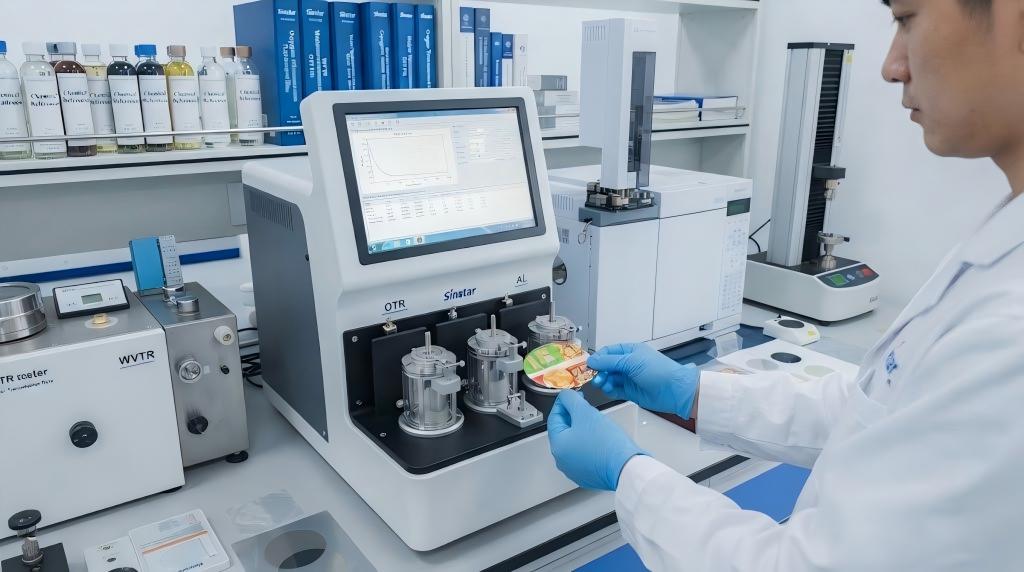
Standard structures such as PET/PE or BOPP/CPP offer baseline protection suitable for short shelf-life commodities. In contrast, high-barrier structures—including PET/AL/PE, PET/EVOH/PE, and PET/PA/PE—incorporate specialized functional webs that drastically reduce gas transmission rates, extending shelf life from weeks to months or even years.
- Engineering Insight: Upgrading from a standard duplex structure to an EVOH- or foil-based high-barrier structure can extend packaged food shelf life by up to 300%, effectively eliminating food waste and expanding geographic distribution reach.
Common Film Structure Selection Mistakes
Converters frequently encounter production failures and quality defects due to common selection and conversion errors:
- Choosing barrier levels that exceed actual product requirements: Leads to unnecessarily inflated material costs. Solution: Conduct precise shelf-life testing to match barrier specs to product respiration rates.
- Using incompatible film combinations: Results in curl, poor winding, and residual stress. Solution: Ensure thermal expansion coefficients of laminated webs are closely matched.
- Ignoring adhesive compatibility: Can cause chemical reactions or uncured bonds, especially with aggressive slip agents. Solution: Test adhesive-substrate interaction prior to full-scale runs.
- Selecting the wrong sealing layer: Causes weak seals or leakers. Solution: Match seal resin (LDPE, LLDPE, metallocene PE, or CPP) to product fill requirements.
- Overlooking curing time: Packaging products before primary adhesive crosslinking finishes leads to bond failure and primary aromatic amine risks in food packaging.
- Not considering machine speed: High-speed converting requires films with exceptional web flatness and high tensile modulus to prevent web breaks.
- Skipping material testing before production: Running untried structures risks costly commercial waste.
How Solventless Laminators Improve Film Performance
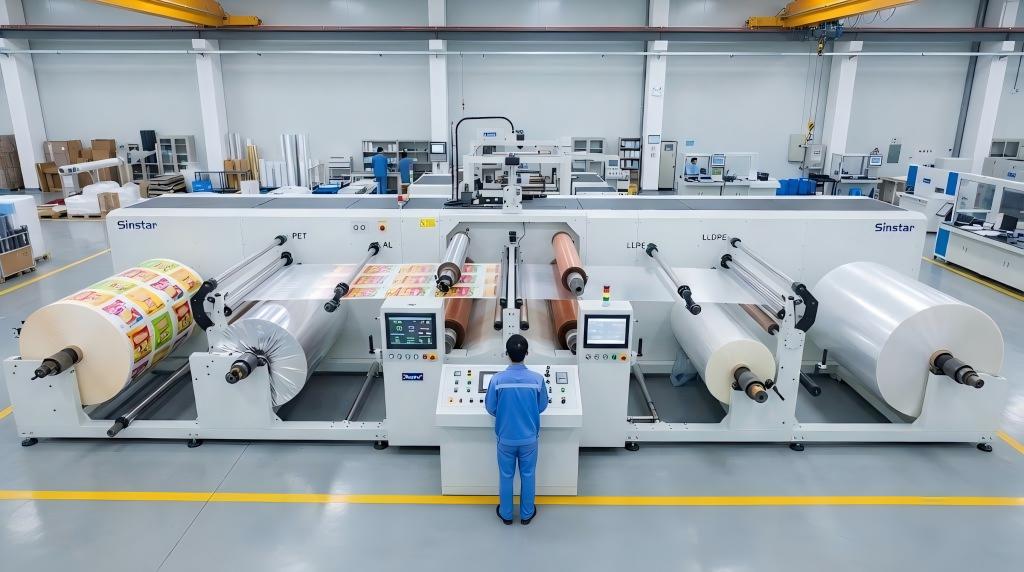
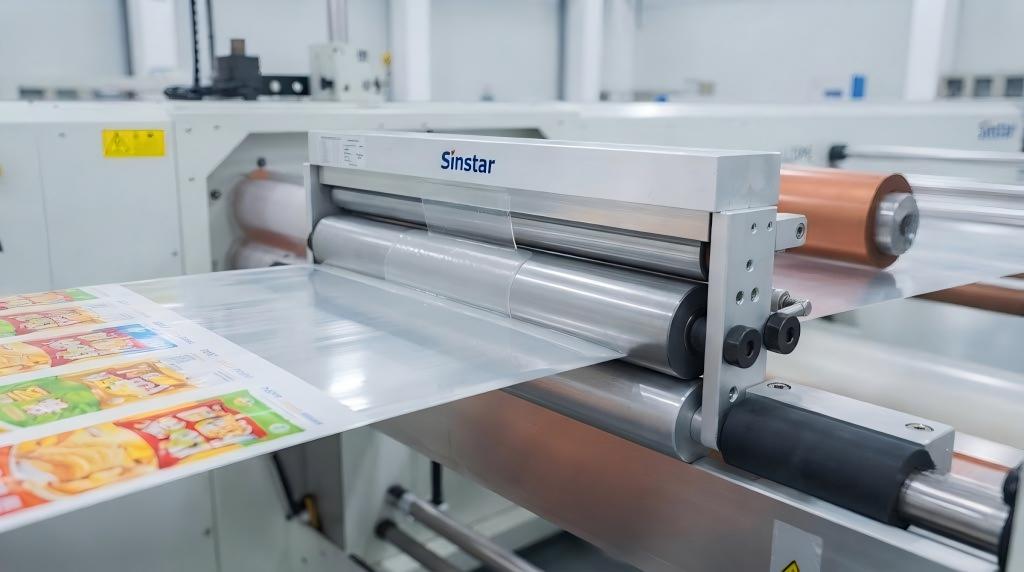
Modern solventless laminating machines play an indispensable role in unlocking the full potential of advanced film structures. By utilizing precision metering rolls, advanced web handling systems, and sophisticated tension isolation zones, modern laminators achieve:
- Stable coating weight: Ensures consistent adhesive deposition down to fractions of a gram.
- Precise tension control: Eliminates film stretching and post-lamination curling in delicate BOPP PET PE laminate structures.
- Uniform adhesive transfer: Prevents tunneling, pinholing, and visual defects.
- Reduced bubbles and defects: Ensures pristine optical clarity for transparent barrier films.
- Faster curing and lower adhesive consumption: Optimizes operational overhead.
- High-speed production: Maximizes factory throughput.
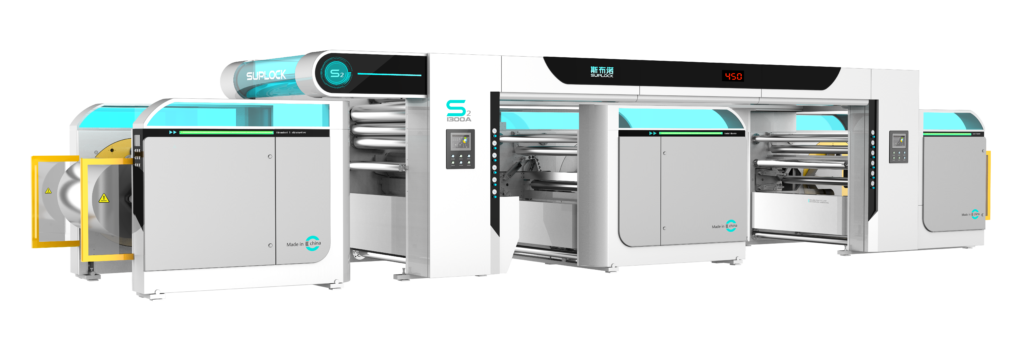
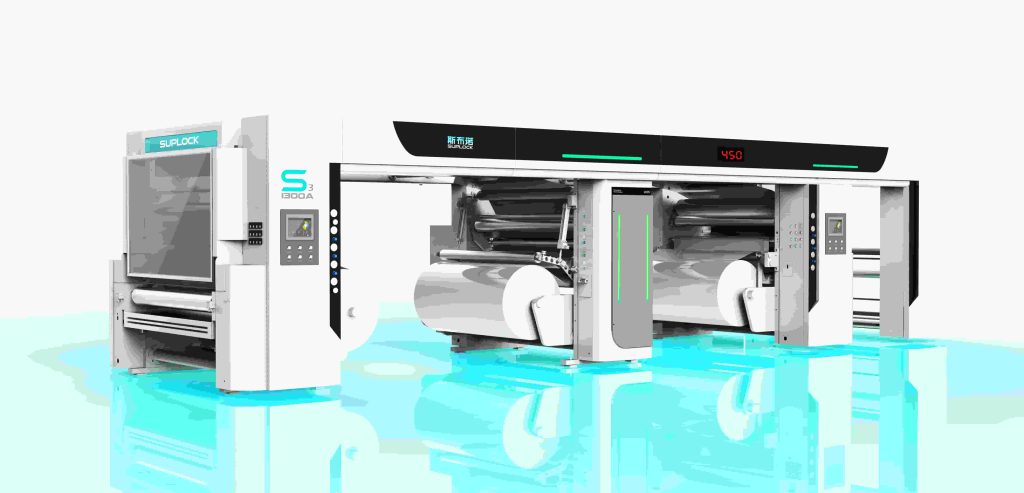
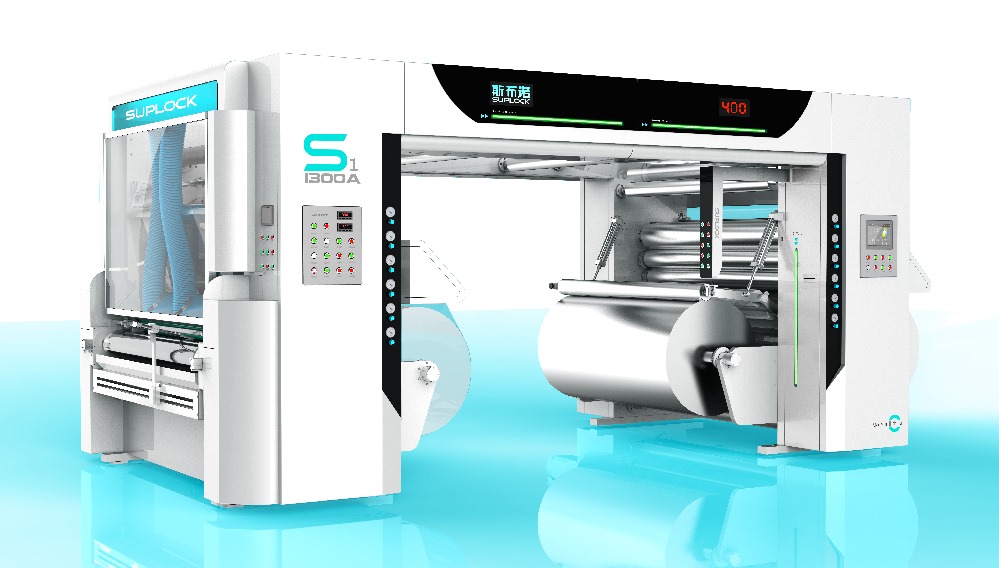
For converters looking to upgrade their manufacturing capabilities, exploring high-performance Sinstar solventless laminating machine products provides an effective pathway to superior laminate bond strength and operational efficiency.
Frequently Asked Questions
Q: What is the optimal film structure for solventless lamination?
A: There is no one “best” structure. The best structure is totally dependent upon the product being packaged. But the most versatile and most used structures for general flexible packaging are PET/PE and BOPP/CPP.
Q: Is PET better than BOPP for lamination?
A: PET is higher strength, more heat resistant, and has higher tensile strength, making it perfect for standing pouches and highly demanding converting applications. BOPP offers an improved moisture barrier property, lower density, and higher economic value for lightweight snack wraps.
Q: What is the difference between duplex and triplex laminate?
A: Duplex laminates are 2-layer constructions and cost-effective for regular dry goods. Triplex laminates are three-layer constructions, with special barrier substrates such as aluminum foil or EVOH for sensitive items like coffee or retort foods.
Q: Can solvent be laminated on PE films?
A: Polyethylene films can be routinely and successfully laminated with solventless polyurethane adhesives if the corona treatment levels and slip additive packages are properly controlled.
Q: What is the best film structure to package coffee?
A: Coffee packaging commonly uses PET/AL/PE or PET/METPET/PE constructions, because they offer the total oxygen and light barrier required to protect the sensitive aromas and oils of coffee.
Q: In a laminating machine, can I use different film structures?
A: Yes, modern solventless laminating machines have modular dosing units, quick-change sleeve systems and wide tension ranges which can seamlessly handle different film combinations.
Q: What influences bond strength of laminated films?
A: Parameters are substrate surface energy (dyne level), adhesive coat weight, nip roll pressure and temperature, curing room conditions, and film additive migration (slip and antistat agents).
Q: How can I reduce delamination in multilayer packaging?
A: Proper primer or corona treatment, correct adhesive mixing ratios, correct nip pressure and correct curing time before converting or filling can minimize delamination.