laminated-structures

What Are Primary Aromatic Amines (PAA) and Why Do They Matter in Flexible Packaging?

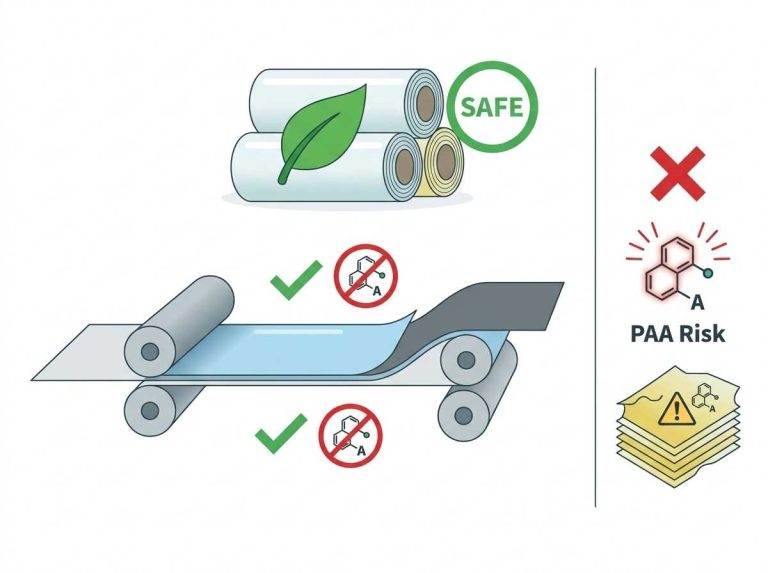
If you work in flexible packaging whether you manufacture laminates, run a print operation, or source packaging materials for food products you have probably come across the term primary aromatic amines, or PAA. Regulatory bodies are paying closer attention to them, retailers are adding them to supplier questionnaires, and food brands are asking harder questions…

Retort Packaging

Bond Strength in Retort Packaging: Can Solvent-Free Qualify?

If you’re a flexible packaging converter or brand owner evaluating solvent-free lamination for retort applications, this question probably sounds familiar: “Is solvent-free really strong enough for retort?” It’s a fair concern. Retort pouches face some of the harshest processing conditions in flexible packaging: high heat, pressurized steam, and prolonged exposure to moisture. Bond strength failure in…

BOPP PE 2-ply Lamination in Flexible Packaging

PET/PE vs. BOPP/PE 2-layer Lamination in Flexible Packaging: How to Choose

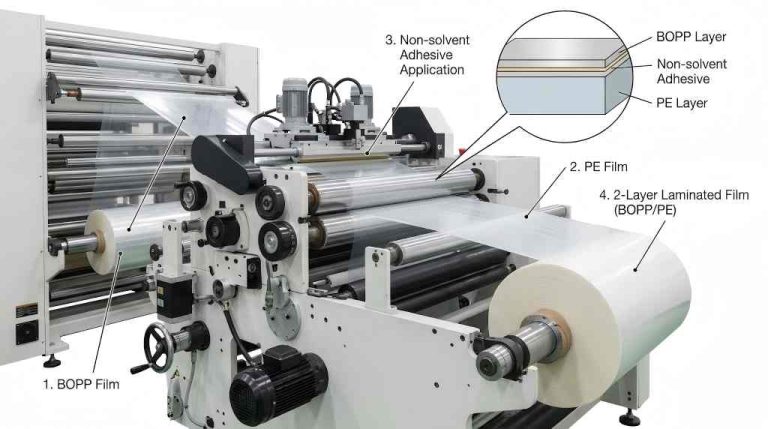
In the business of flexible packaging manufacturing, choosing the right substrate in 2-layer lamination technology is one of the most basic decisions that determines the shelf life of the package, the operability on equipment, and overall manufacturing cost. Being a technical professional at a packaging facility, I find myself often confronted with clients who have difficulty…

large lamination machine

How to Control Static in Large Laminating Machine for 3-Ply Flexible Packaging

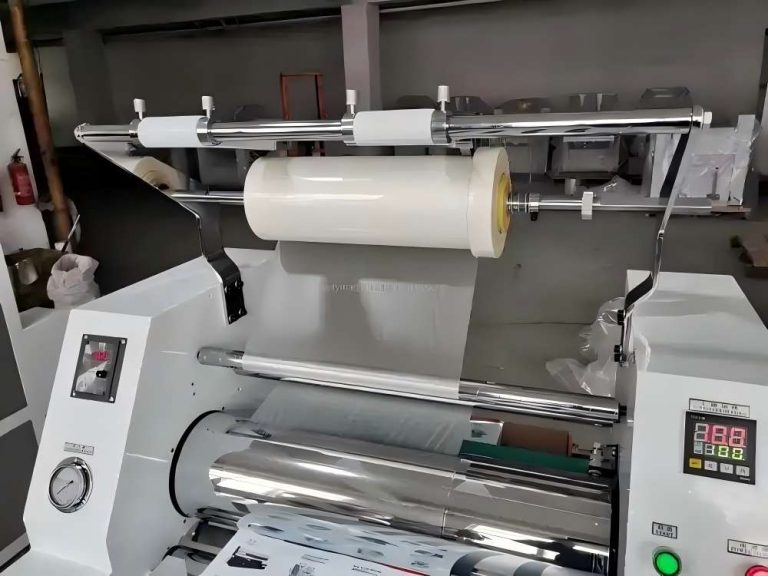
In the high-speed production of flexible packaging, the large laminating machine is the backbone of the converting process. With production speeds increasing to meet global demands, there is a constant physical phenomenon that puts product integrity and operational safety at risk: static electricity. Understanding the dynamics of electrostatic discharge (ESD) is not only a quality control issue…

Mono-Material vs Multi-Layer Lamination for Pet Food Packaging

Mono-Material vs Multi-Layer Lamination for Pet Food Packaging: Which Is More Sustainable?

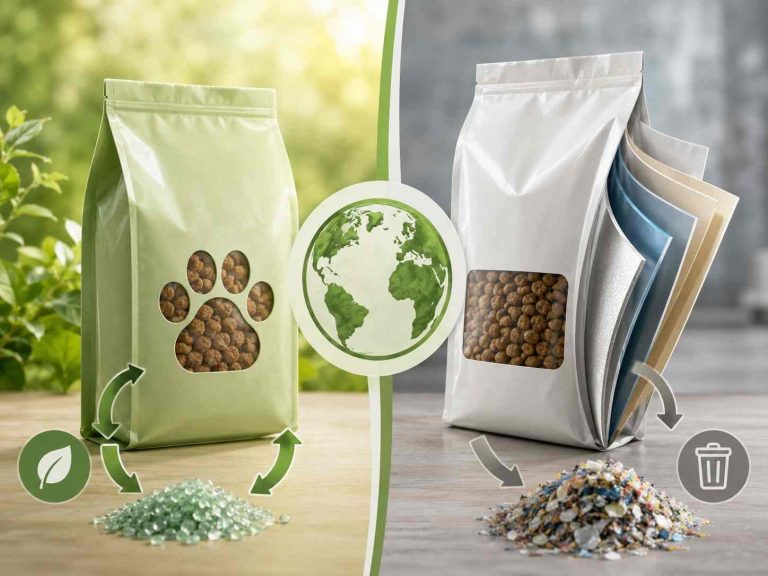
Sustainability has become one of the biggest pressure points in pet food packaging and if you’re on the manufacturing side, you’ve probably felt it. Brand owners want greener structures. Retailers are tightening their requirements. And regulations in key markets, especially Europe, are moving faster than many production lines can keep up with. At the center…

Pet Food Packaging Lamination Structure

Best Lamination Structures for Pet Food Packaging

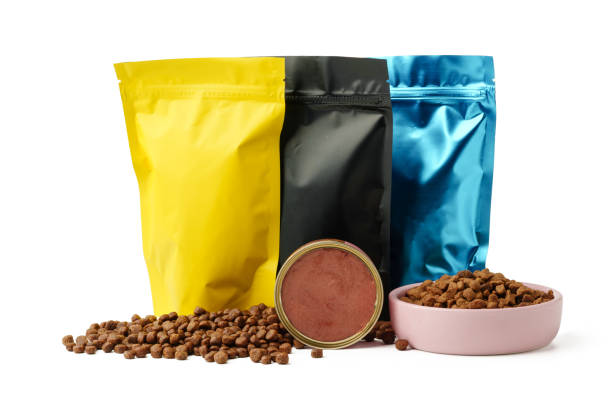
Choosing the right lamination structure for pet food packaging is not as straightforward as it looks. Most converters and brand owners know the usual suspects such as foil laminates, metallized films, mono-material PE, but fewer have a clear picture of when to use which, and why it actually matters. The wrong structure does not just cause technical problems….

pet-food-packaging

How Pet Food Packaging Requirements Affect Lamination Process and Equipment?

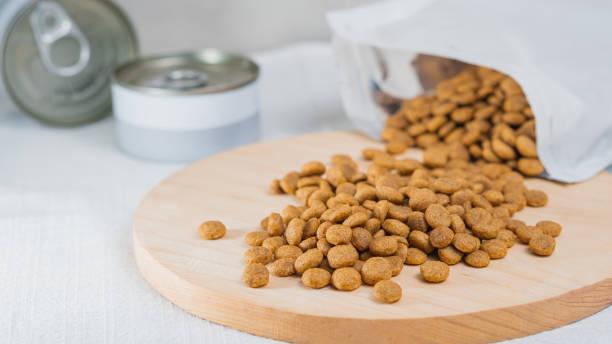
Not all flexible packaging performs the same job. A snack pouch and a wet cat food pouch may look similar on a converting line, but the demands placed on each structure — and the lamination process behind it — are genuinely different. Pet food packaging has to contend with a set of product characteristics that…

liquid pouch

Why Are More Liquid Food Manufacturers Choosing Flexible Pouches?

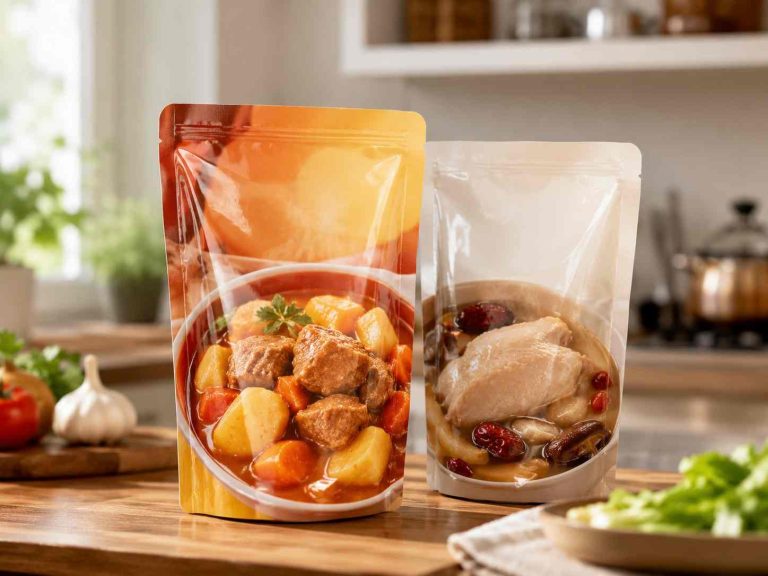
The liquid food industry has experienced a major transformation during the last few years. Flexible pouches have become the new standard for packaging products that used to require glass bottles and rigid plastic containers and metal cans. The format is now found in retail stores which sell both sauces and soups and dairy products and fruit…

Clear warranty notice warning that removal voids protections offered.

How Anti-Counterfeiting Packaging Protects Your Brands and Consumers?

In the context of an increasingly complex global supply chain, counterfeit products have no longer been a problem confined to a few industries. Domains such as cosmetics, food and beverages, medicine, and clothing accessories have all been affected to varying degrees by fake goods. Meanwhile, in a market with a wide variety of products, packaging…

matte lamination vs gloss lamination

Matte Lamination vs Gloss Lamination: What’s the Real Difference?

In the printing and packaging industry, laminating is a common and important process. It not only protects paper and packaging materials from scratches, stains and moisture, but also enhances the overall visual effect, making the products look more refined and professional. However, when faced with matte lamination and gloss lamination, many people have questions: What…

End of content

End of content