Why Summer and Winter Require Different Temperature Settings on Your Laminating Machine?

If you’ve been running a laminating machine for a while, you’ve probably noticed something strange: the settings that worked perfectly last summer start causing problems once winter arrives. The film won’t bond properly, edges lift, or bubbles appear out of nowhere — even though you haven’t changed anything.
You didn’t do anything wrong. The machine didn’t break. Just the season changed. Here’s why that matters, and what to do about it.
What Is the Hot Roller Actually Doing?
Before getting into seasonal differences, it helps to understand what the hot roller is really responsible for.
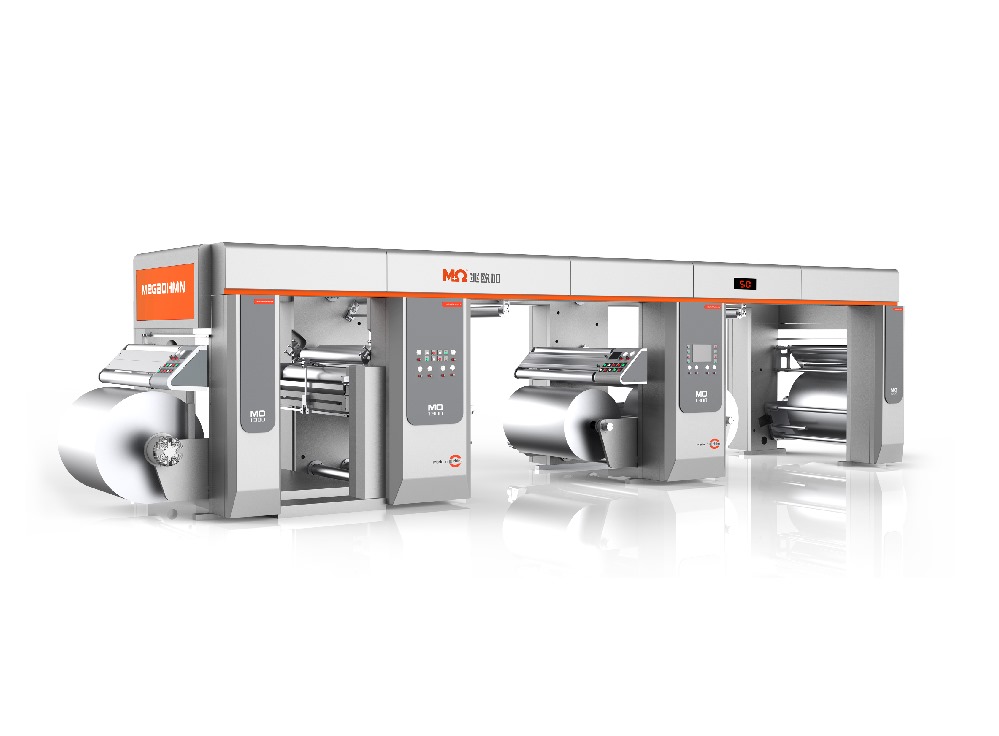
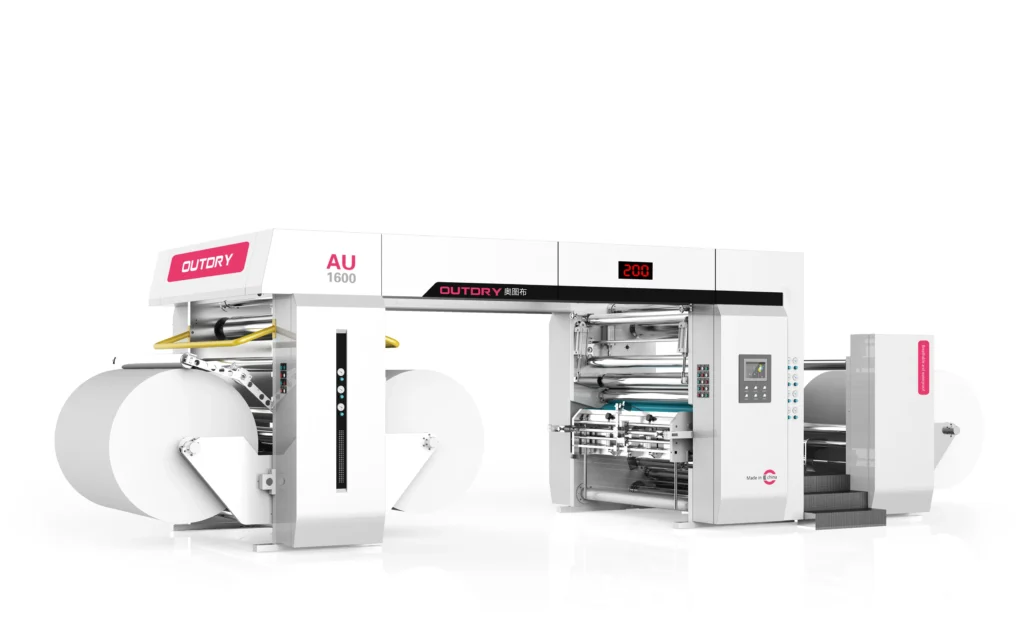
In a pre-coated laminating machine, the hot roller’s job is to activate the adhesive layer on the film. The adhesive only bonds properly within a specific temperature range. Too low, and it won’t stick. Too high, and you get warping, wrinkling, or other surface defects.
In solvent-based (wet) laminating machines, heat helps the solvent evaporate so the adhesive sets correctly before the film and paper are pressed together.
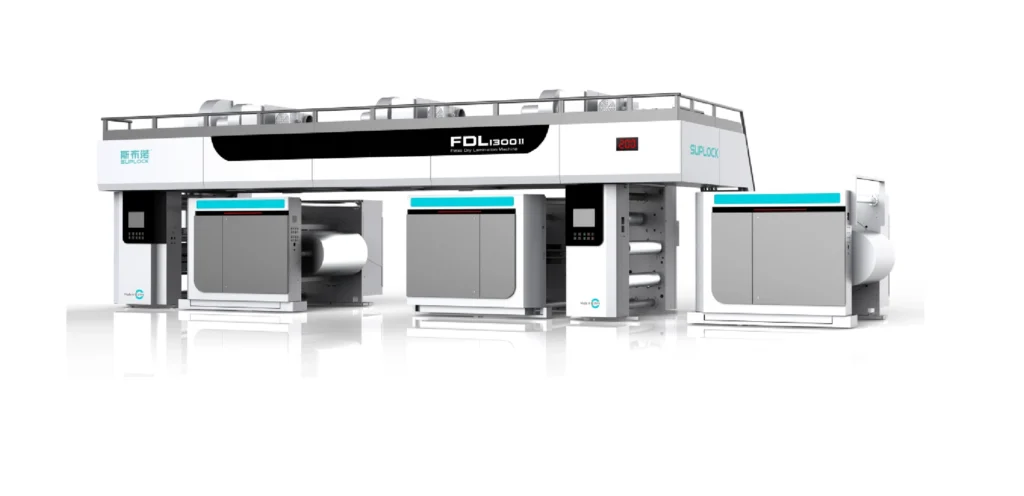
Solventless laminating machines work differently. They use a two-component adhesive, typically mixed from an isocyanate and a polyol, applied directly onto the film without any solvent. There’s no evaporation step involved. Instead, the hot roller here plays a more indirect but equally important role: it controls the viscosity and flow of the adhesive as it’s applied and pressed. When the adhesive is too cold, it thickens and spreads unevenly. When it’s within the right temperature range, it flows consistently across the surface and bonds cleanly under pressure. This makes solventless machines especially sensitive to ambient temperature shifts, because the adhesive itself changes behavior as the workshop temperature changes.
Either way, the goal across all three machine types is the same: make sure the materials reach the right thermal conditions at the exact moment they meet the pressure roller. And here is where seasons start to matter.
The Number on the Display Laminating Machine Is Not the Truth
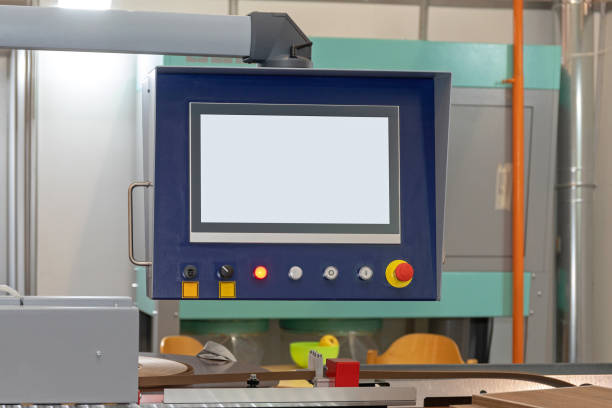
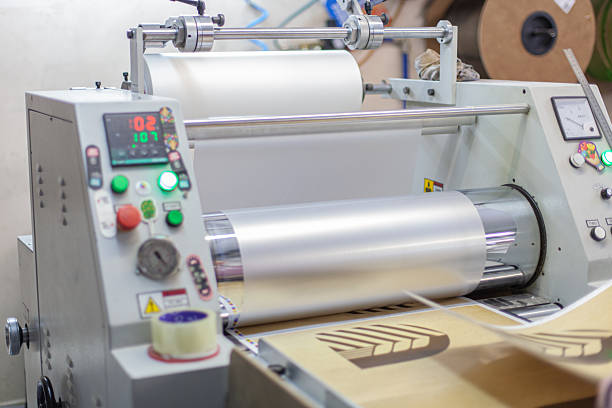
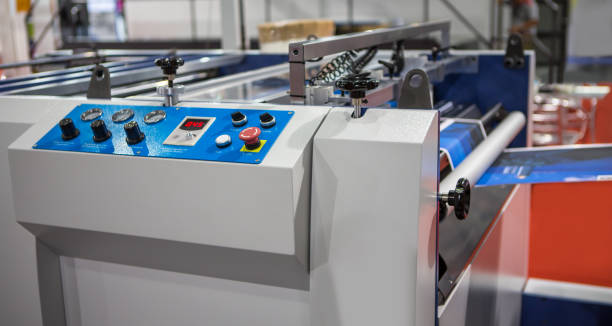
This is the part most operators overlook. The temperature reading on your control panel shows the target setting, not what’s actually happening at the bonding point.
Between the hot roller and the moment film meets paper, heat is being lost. The roller radiates heat into the surrounding air. The paper and film absorb heat as they travel through the machine. If those materials start cold, they absorb more heat before reaching the pressure point, and less of that heat is available to activate the adhesive.
In winter, this heat loss is significantly greater. In summer, the machine retains heat more efficiently, sometimes too efficiently.
This is why the same setting produces different results across seasons. The number hasn’t changed, but the actual thermal conditions at the bonding point have.
Three Factors That Change Between Summer and Winter
1. Workshop Temperature
In winter, a cold workshop means the hot roller is constantly fighting against the surrounding environment. The roller surface cools faster, and the actual temperature at the bonding point ends up lower than your display suggests.
In summer, a warm workshop slows down heat dissipation. The roller holds its temperature better, and the bonding point may actually run hotter than expected. If you’re in a region with high summer temperatures and you forget to lower your settings, overheating problems follow quickly.
2. Moisture Content in the Paper
This one surprises a lot of people, because summer and winter affect paper in opposite ways, and the implications for laminating are completely different.
In winter, especially in heated indoor environments, the air is dry. Paper loses moisture and becomes slightly more brittle. The fibers contract. This changes how the paper absorbs and conducts heat, and it affects how well the adhesive bonds to the surface.
In summer, humidity rises. Paper absorbs moisture from the air, and that moisture becomes a problem during lamination. When the hot roller warms the paper, trapped moisture tries to escape as vapor. If it can’t escape before the film seals the surface, you get bubbles. This is one of the most common causes of summer lamination failures, and adjusting temperature alone won’t solve it if the paper hasn’t been properly conditioned beforehand.
3. The Film Itself
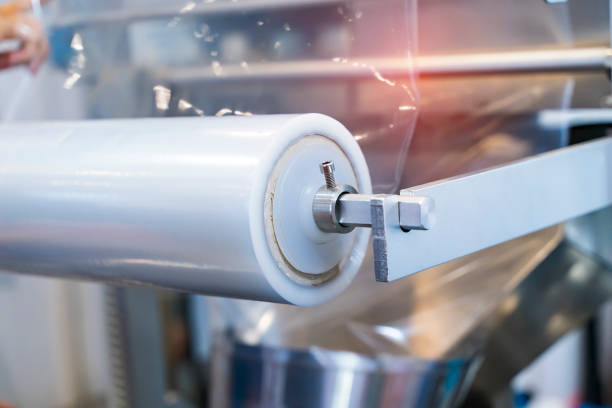
BOPP film, which is the most commonly used material in laminating, behaves differently at different temperatures. In cold conditions, the film becomes stiffer and less pliable. It resists conforming to the paper surface, which means you need slightly more heat to soften it enough for a clean bond.
In summer, the film is already more flexible. Applying the same high temperature you used in winter can push it past its ideal range, causing stretching or an uneven surface.
Common Seasonal Issues and Their Real Causes
Rather than memorizing rules, it’s more useful to recognize patterns. Here’s a straightforward breakdown:
Winter, temperature too low
The film won’t bond fully. Edges lift after the job comes off the machine. The surface may look fine initially but fails within hours or days. The cause is insufficient heat reaching the adhesive layer. The fix is raising the temperature, but do it gradually and test with scrap material first.
Winter, temperature overcorrected too high
You raised the temperature to compensate for the cold, but went too far. Now the film wrinkles or distorts. In this case, the better approach is a moderate temperature increase combined with a slight reduction in machine speed, rather than pushing the temperature to an extreme.
Summer, temperature unchanged from winter settings
The film overheats. Bubbles form, or the surface develops an orange-peel texture. The fix is lowering the temperature and checking whether the paper has been stored properly away from humidity.
Summer, high heat and high humidity together
This is the most challenging combination. The paper carries moisture, the workshop is warm, and even a properly set temperature can lead to delamination after the job cools. Slowing the machine speed gives heat more time to work without raising the peak temperature, which helps in these conditions.
Adjusting Temperature Alone is Not Enough
The hot roller temperature, machine speed, and pressure roller setting all work together. Changing one without considering the others often creates new problems while solving the original one.
A practical way to think about it is this. When winter arrives and your lamination quality drops, don’t immediately jump to a big temperature increase. Instead, try a moderate temperature increase first, say 5 to 8 degrees Celsius, and pair it with a small reduction in speed. This gives the adhesive more time to activate without forcing the temperature into a range that risks other defects.
When summer arrives and you’re seeing bubble issues, don’t just drop the temperature. Check the paper first. If it has been sitting in a humid warehouse or near an open door, it may need time in a controlled environment before running. Lowering temperature on moisture-loaded paper will reduce one risk while leaving the root cause unaddressed.
A Seasonal Checklist for Laminating Machine is Must
Winter means more heat loss, stiffer film, and drier paper. Summer means better heat retention, more flexible film, and moisture-prone paper. Your settings need to account for those conditions, not just the material specifications printed on the film packaging.
Before each major season shift, run a short test with scrap material and record the settings that produce a clean result. Note the workshop temperature and humidity at the time. Over two or three years, you’ll have a reliable reference that removes most of the guesswork.When you receive a new batch of film, even mid-season, run the same test. Activation temperatures can vary slightly between manufacturers and even between batches from the same supplier. Don’t assume last month’s settings will work on this month’s film without checking.