Bond Strength in Retort Packaging: Can Solvent-Free Qualify?

If you’re a flexible packaging converter or brand owner evaluating solvent-free lamination for retort applications, this question probably sounds familiar: “Is solvent-free really strong enough for retort?”
It’s a fair concern. Retort pouches face some of the harshest processing conditions in flexible packaging: high heat, pressurized steam, and prolonged exposure to moisture. Bond strength failure in this environment doesn’t just mean a rejected shipment. It can mean food safety incidents, brand damage, and costly recalls.
For years, solvent-based lamination was the default answer for retort. But that assumption is increasingly outdated. Modern solvent-free technology, when properly selected and controlled, is fully capable of meeting retort bond strength requirements, and this article explains exactly how.
What Makes Retort Packaging So Demanding?
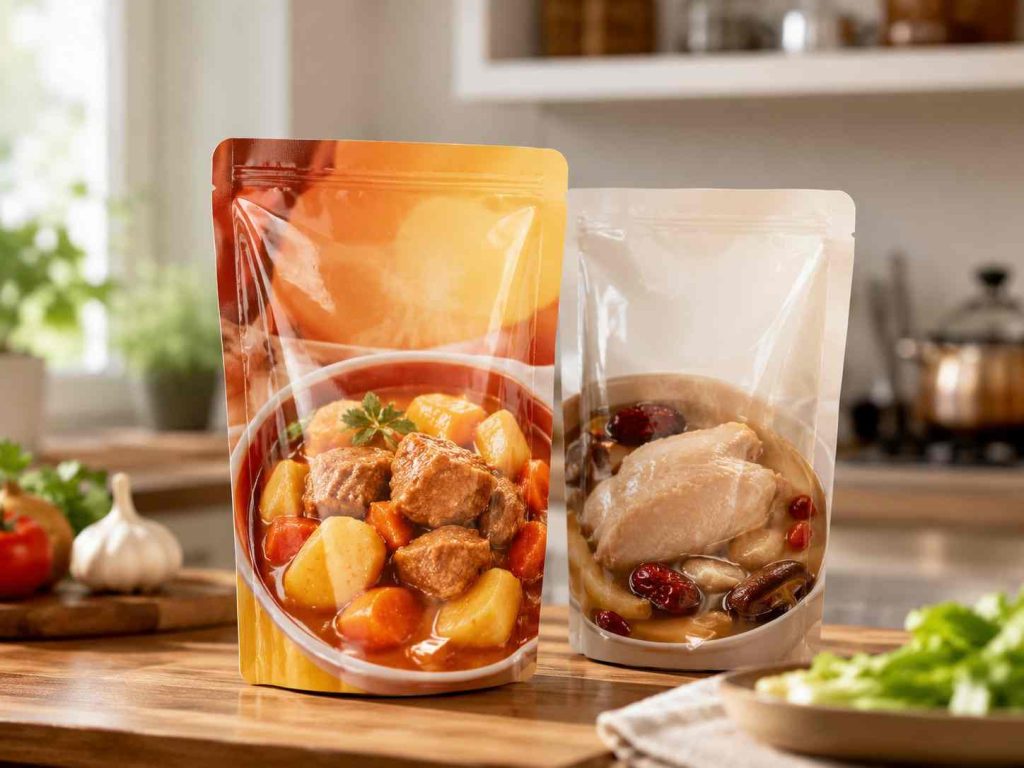
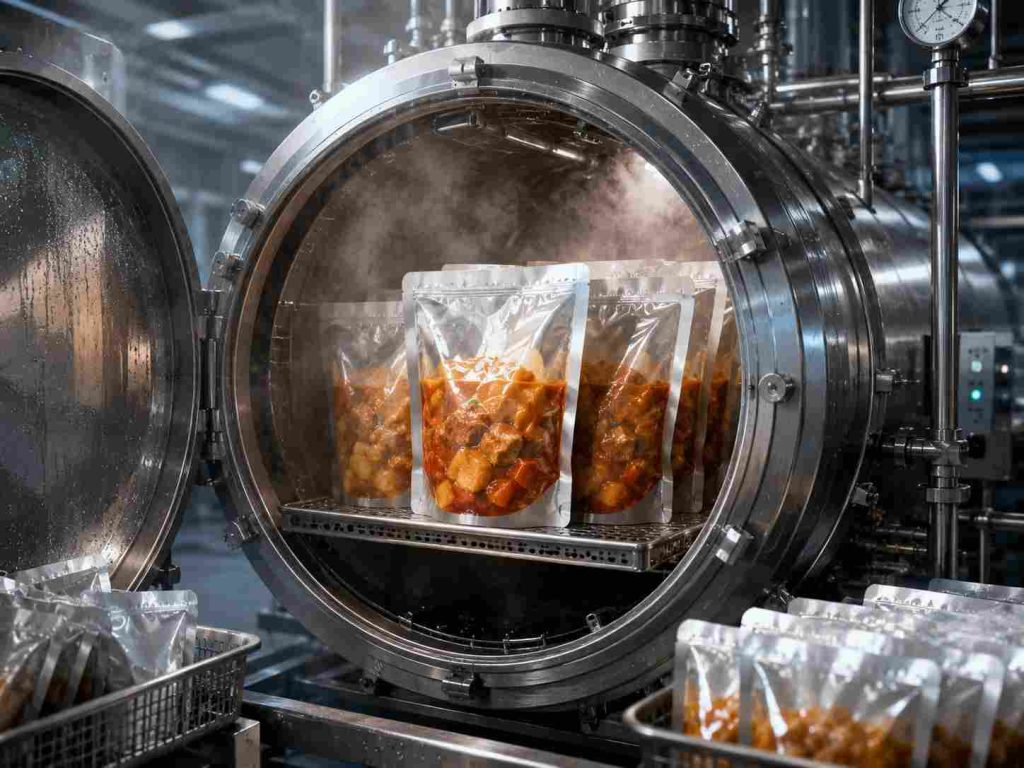
Retort packaging is used to sterilize food products sealed inside flexible pouches. The process typically involves:
- Temperatures of 121°C (250°F) or higher, sustained for 20–90 minutes
- Pressurized steam or water immersion in an autoclave
- Rapid thermal cycling — from ambient to processing temperature and back
For the laminate structure, this translates into extreme mechanical and chemical stress at the adhesive layer. The bond must resist delamination not just at room temperature, but while saturated with steam and under constant pressure.
Common retort pouch structures include:
- PET / Al foil / CPP (standard retort)
- PET / Al foil / PA / CPP (higher barrier)
- PET / PA / CPP (transparent retort)
Each interface requires a bond strong enough to survive the full retort cycle and maintain integrity during storage, distribution, and consumer use afterward.
What Bond Strength Numbers Are We Talking About?
For retort applications, industry practice generally requires:
| Test Condition | Minimum Bond Strength |
| At room temperature (before retort) | ≥ 3.0 N/15mm |
| After retort cycle (post-boil / post-autoclave) | ≥ 2.5 N/15mm |
| At critical interfaces (e.g., foil/CPP) | ≥ 3.5 N/15mm (some specs) |
The key metric is post-retort bond strength: how much peel force remains after the laminate has gone through the full sterilization cycle. This is where many laminates fail, and where adhesive selection becomes critical.
Testing is typically done using the T-peel method (ASTM F904 or equivalent), with samples conditioned post-retort before measurement.
The Old Assumption: Solvent-Based Is the Safe Choice
The perception that solvent-based lamination is more reliable for retort comes from historical reality. Early (formulated in the 1980s and 1990s) solvent-free adhesives had genuine limitations:
- Lower initial viscosity control
- Slower curing kinetics
- Less tolerance for demanding substrates like foil or metallized films
- Narrower processing windows
Solvent-based adhesives, by contrast, offered well-understood chemistry, broad substrate compatibility, and decades of retort qualification data. For risk-averse converters and brand owners, staying with solvent-based was the rational choice.
That was then.
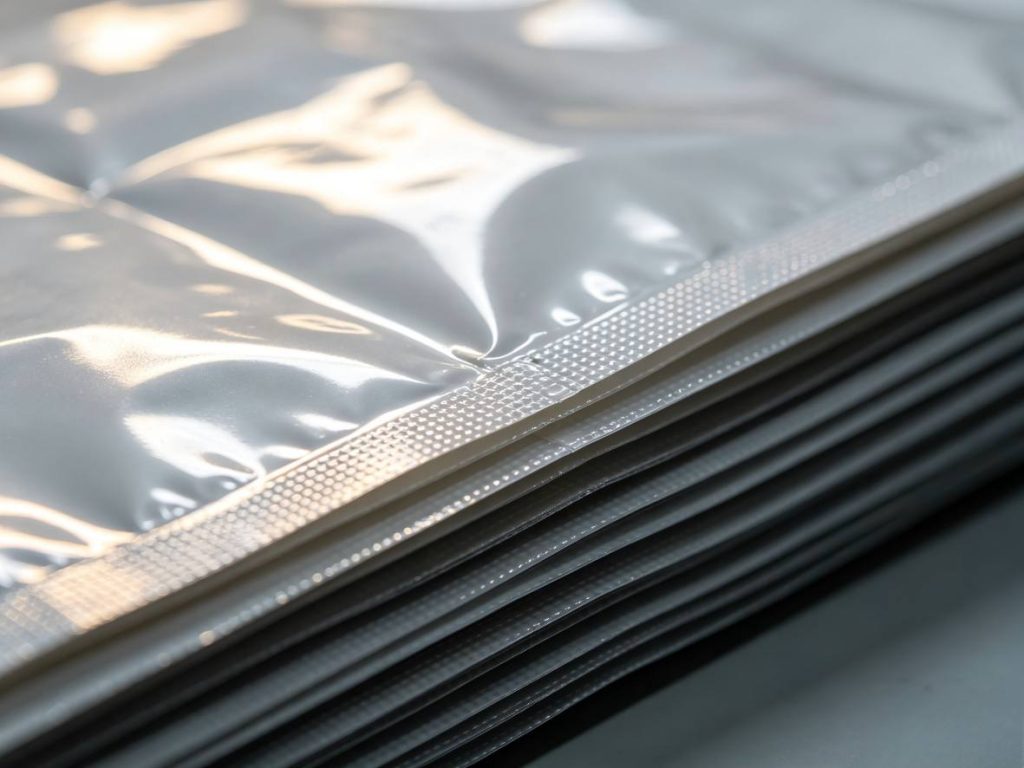
Can Solvent-Free Lamination Qualify for Retort? The Direct Answer: Yes
Modern solvent-free adhesive chemistry has fundamentally changed the performance landscape. Today’s two-component polyurethane solvent-free systems specifically those formulated for boil and retort applications are engineered to deliver bond strengths that meet or exceed retort requirements.
Several factors have driven this shift:
1. Retort-Grade Solvent-Free Adhesive Systems
Leading adhesive manufacturers (Henkel, H.B. Fuller, Dow, Coim, and others) now offer dedicated solvent-free retort adhesives. These systems are characterized by:
- High crosslink density — achieved through optimized NCO/OH ratios in the polyurethane system, resulting in a dense, thermally stable bond network
- Hydrolysis resistance — the cured adhesive resists degradation when exposed to steam and hot water during the retort cycle
- Controlled pot life and mix ratio — precision mixing is essential, which brings us to the next point
2. Precision Mixing and Coat Weight Control
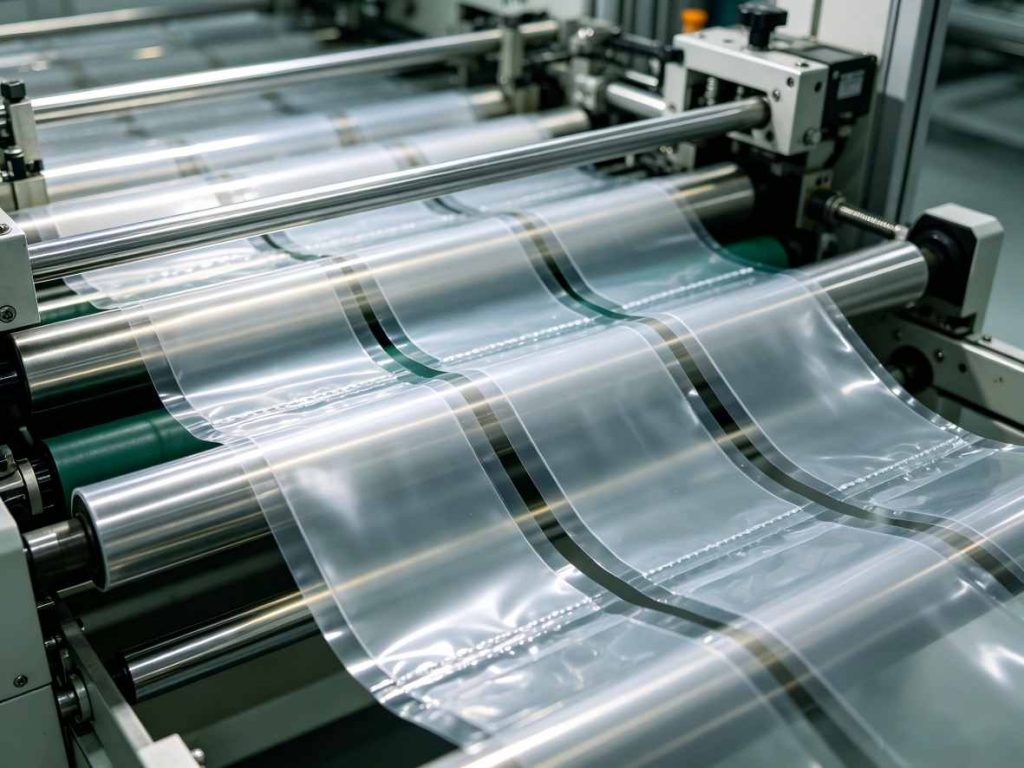
Solvent-free lamination applies adhesive in the range of 1.5–3.0 g/m² (compared to 3.0–5.0 g/m² for solvent-based dry laminates). At these coat weights, precision matters enormously.
This is where the lamination machine itself becomes a critical variable.
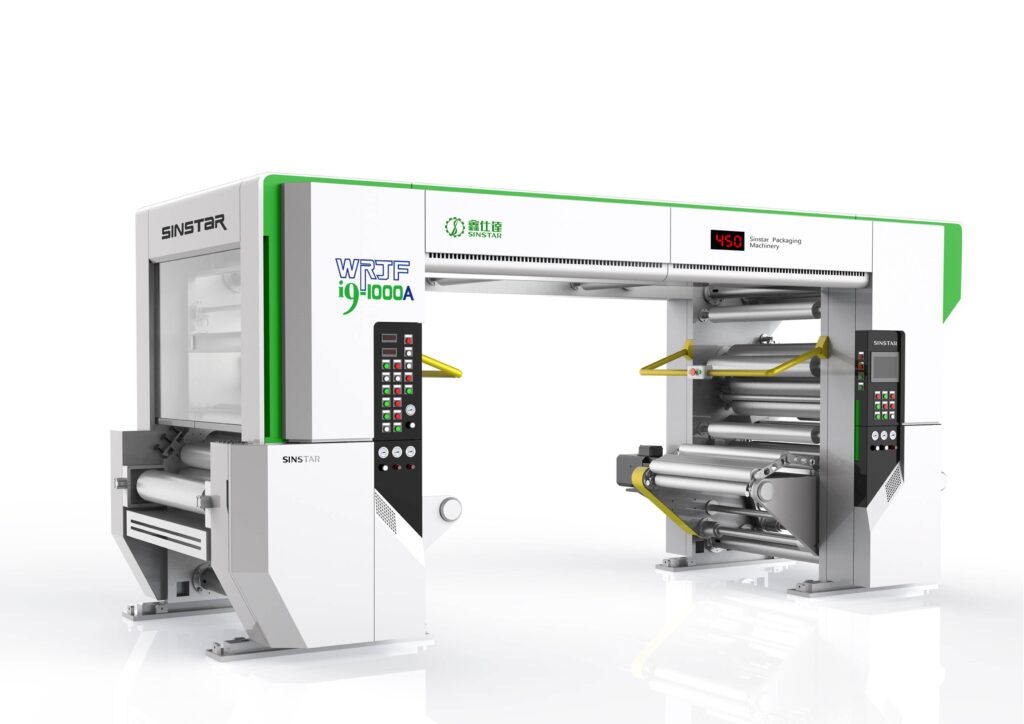
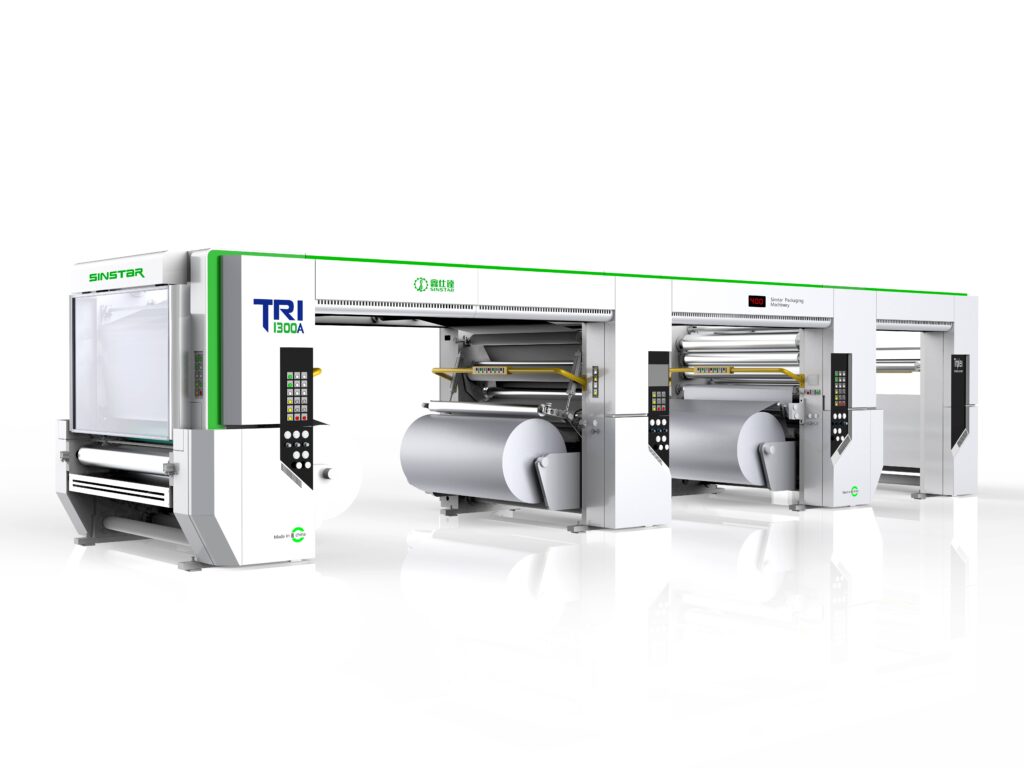
A high-performance solvent-free laminator needs to deliver:
- Accurate metering of both adhesive components (A and B) at the correct mix ratio even minor deviations affect cure quality and bond strength
- Temperature-controlled adhesive delivery to manage viscosity stability during long production runs
- Consistent nip pressure and web tension to ensure uniform adhesive distribution across the full web width
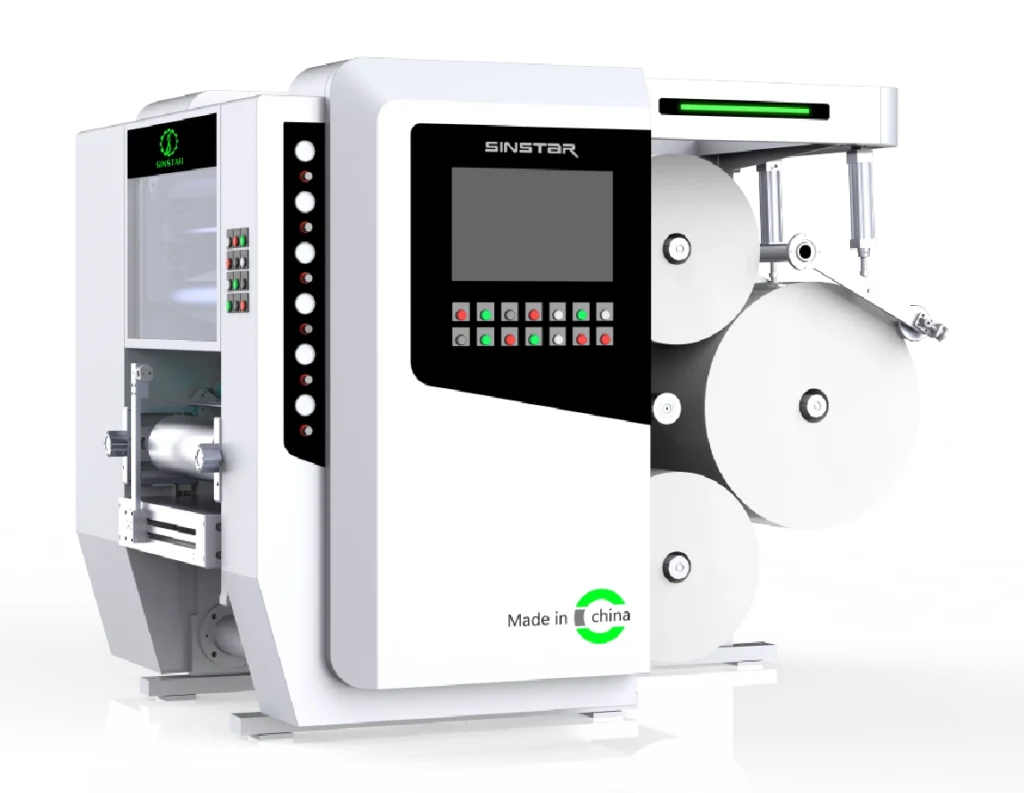
Our solvent-free laminators are designed with closed-loop ratio control systems and heated adhesive circuits, ensuring that the mix ratio and coat weight remain within specification throughout the entire run, it’s a key requirement when qualifying for retort applications.
3. Curing: The Most Overlooked Variable
Even with the right adhesive and proper coat weight, bond strength development in solvent-free retort systems depends heavily on curing conditions:
- Most retort-grade solvent-free adhesives require a minimum curing time of 5–7 days at 40°C, or equivalent accelerated cure protocols
- Insufficient cure = incomplete crosslinking = bond strength that looks acceptable at room temperature but fails post-retort
This is a process discipline issue, not a technology limitation. Converters who have had poor results with solvent-free retort work can often trace the failure back to inadequate curing rather than the adhesive or equipment itself.
Key Success Factors at a Glance
| Factor | What to Get Right |
| Adhesive selection | Use adhesives explicitly rated for retort — not just “boil-in-bag” grade |
| Mix ratio accuracy | ±1% or better; machine-controlled, not manual |
| Coat weight | Match adhesive supplier’s recommendation for retort (typically 2.0–2.8 g/m²) |
| Curing protocol | Full cure before retort testing; use oven cure to accelerate if needed |
| Substrate preparation | Surface treatment (corona/flame) on foil and CPP; verify dyne levels |
| Post-retort testing | Always test under actual process conditions (temperature, time, pressure) |
How to Validate: Testing Protocol for Retort Qualification
Before committing to a solvent-free process for retort production, a proper qualification run should include:
- Produce laminate samples using the intended adhesive, coat weight, and substrate combination
- Allow full cure (follow adhesive supplier’s curing protocol)
- Prepare retort test pouches — heat seal and fill with water or product simulant
- Run full retort cycle at target temperature and time (e.g., 121°C / 30 min)
- Condition samples at room temperature for 24 hours post-retort
- T-peel test each laminate interface (PET/Al, Al/CPP, etc.)
- Compare results against specification minimums
- Inspect visually for delamination, tunneling, or adhesive migration
Repeating this process across multiple production runs, operators, and substrate lots gives you the statistical confidence needed for formal qualification.
What About Migration and Food Safety?
A secondary concern with retort applications is adhesive migration, the possibility of residual reactive components migrating into the food product during the high-temperature process.
Retort-grade solvent-free adhesives are formulated to minimize free monomer content, and reputable adhesive suppliers provide migration data and compliance documentation for food contact applications (FDA, EU 10/2011, etc.).
The advantage solvent-free systems have here is the absence of organic solvents, eliminating one category of potential residual contamination compared to solvent-based systems.
Ready to Qualify Your Retort Structure?
Solvent-free lamination can qualify for retort packaging applications. The technology is proven. The adhesives exist. The equipment to run it reliably exists.
What it requires is:
- The right adhesive system (retort-grade, not general-purpose)
- A laminator capable of precision mixing and coat weight control
- Disciplined curing protocols
- Proper qualification testing before production release
For converters already running solvent-free for non-retort work, the move to retort applications is achievable with the right adhesive partner and process adjustments. For brand owners evaluating flexible retort packaging, solvent-free lamination is a commercially viable and increasingly preferred option that delivers cleaner processing, lower VOC emissions, and reduced solvent costs without compromising on bond performance.
Our engineering team works with converters worldwide to qualify solvent-free lamination processes for retort and high-demand applications. Whether you’re starting from scratch or troubleshooting an existing process, we can help you select the right equipment configuration, dial in your process parameters, and build a testing protocol that gives you confidence before you go to production.