What Is the Ideal Adhesive Coating Weight for Liquid Packaging Lamination?

The safety of products and their durability and visual presentation depend on the laminated film quality used in liquid packaging. The adhesive coating weight serves as a key factor that determines whether the lamination process will succeed or fail. The packaging performance will experience major changes from even the smallest differences in this particular aspect. The process requires knowledge of the parameter and its control to produce results that maintain consistency and reliability.
The measurement of adhesive coating weight indicates the total adhesive material which is processed onto each specific surface area of the substrate. In lamination, the adhesive coating weight controls how well different film layers stick together which results in specific strength and flexibility and barrier performance characteristics of the completed package.
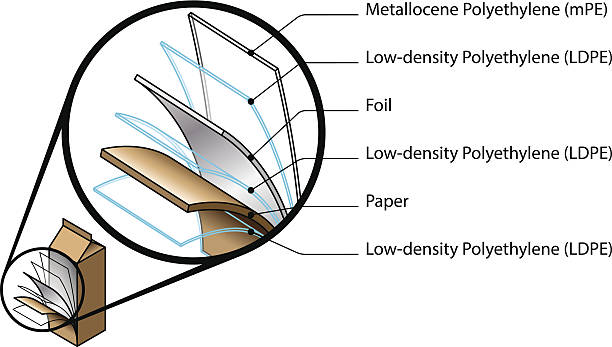
Different materials, such as PET, PE, or aluminum foil, require different adhesive weights to achieve optimal performance. Insufficient adhesive results in weak bonding which leads to delamination, whereas excessive adhesive causes surface irregularities and increased expenses and creates difficulties during handling.
How Coating Weight Affects Laminating Machine Performance?
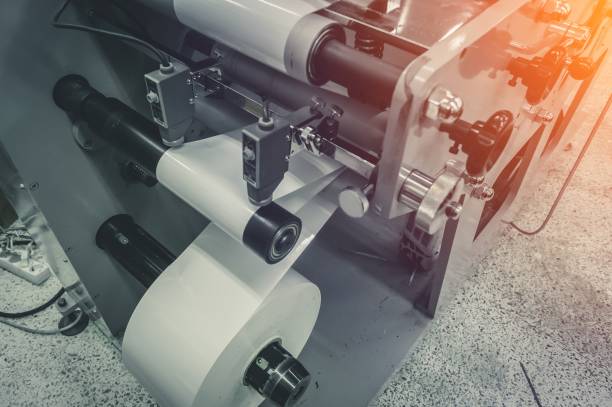
The adhesive coating weight directly affects how well a laminating machine operates. The layers will fail to bond when the adhesive coating weight reaches its minimum threshold which results in delamination during filling and storage and transport. The production process experiences delays and material loss because of the production halt that results from excessive coating which creates wrinkles and uneven film
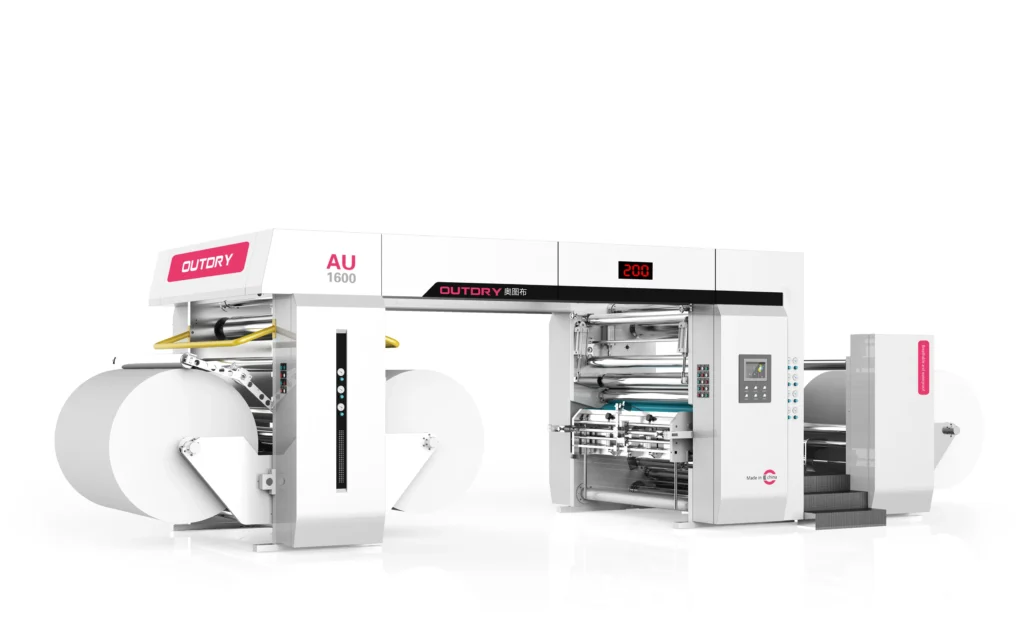
The selection of a laminating machine needs to be evaluated from multiple perspectives. Traditional solvent-based laminating machines rely on liquid adhesives while solventless machines often use hot-melt adhesives. Both types require precise control of adhesive distribution, though the methods differ. Understanding how your laminating machine interacts with adhesive application helps optimize both quality and efficiency.
Methods for Accurate Adhesive Coat Weight Measurement
Monitoring and controlling the adhesive coat weight measurement is critical for maintaining consistent lamination quality. Several methods are commonly used in the industry:
- Gravimetric method: Weighing the coated substrate to determine adhesive applied per area.
- Non-destructive thickness measurement: Using sensors to measure adhesive thickness without damaging the film.
- Online coating sensors: Integrated sensors that provide real-time feedback during production.
Accurate measurement enables manufacturers to identify production deviations, which they can use to change operational settings and decrease material waste while maintaining product quality standards.
Recommended Adhesive Coating Weight for Liquid Packaging
The ideal adhesive coating weight depends on the type of liquid packaging:
- Juice and beverages: Moderate adhesive weight ensures good sealing and flexibility.
- Dairy products: Slightly higher adhesive weight helps withstand refrigeration and handling.
- Liquid food or sauces: Requires careful balance to prevent leaks while avoiding excessive stiffness.
| Packaging Type | Typical Adhesive Coating Weight (g/m²) | Purpose / Notes |
| PET/PE Laminates (Juices & Beverages) | 2.5 – 4 | Ensures strong bonding without reducing flexibility; seals remain intact under refrigeration and handling. |
| Aluminum Foil Laminates (Dairy Products) | 3 – 5 | Slightly higher weight accommodates rigidity; prevents delamination during high-speed filling or cold storage. |
| Multi-layer Laminates (Liquid Foods: Sauces, Soups, Oils) | 4 – 6 | Supports leak resistance for high-viscosity liquids; avoids wrinkles and uneven bonding in thicker laminates. |
The application of an inadequate amount of adhesive material will result in seal failure, while the application of excessive adhesive material will lead to increased production expenses and create problems with lamination uniformity. The determination of ideal adhesive weight for specific applications requires both industry experience and testing methods as primary decision-making factors.
Automated Adhesive Control with Sinstar Laminating Machines
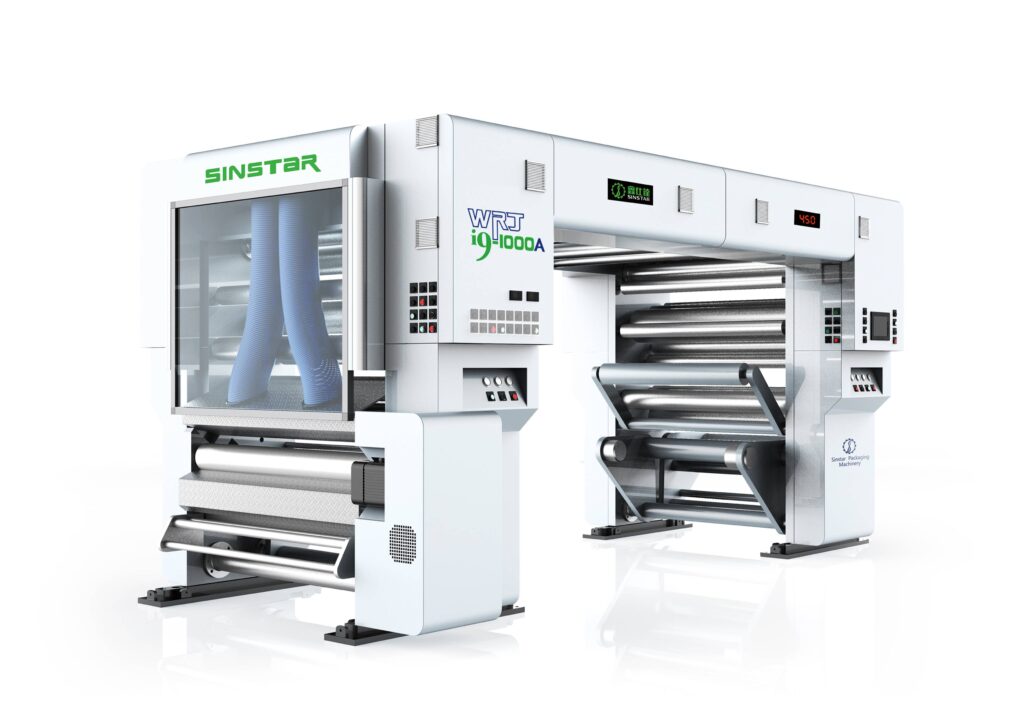
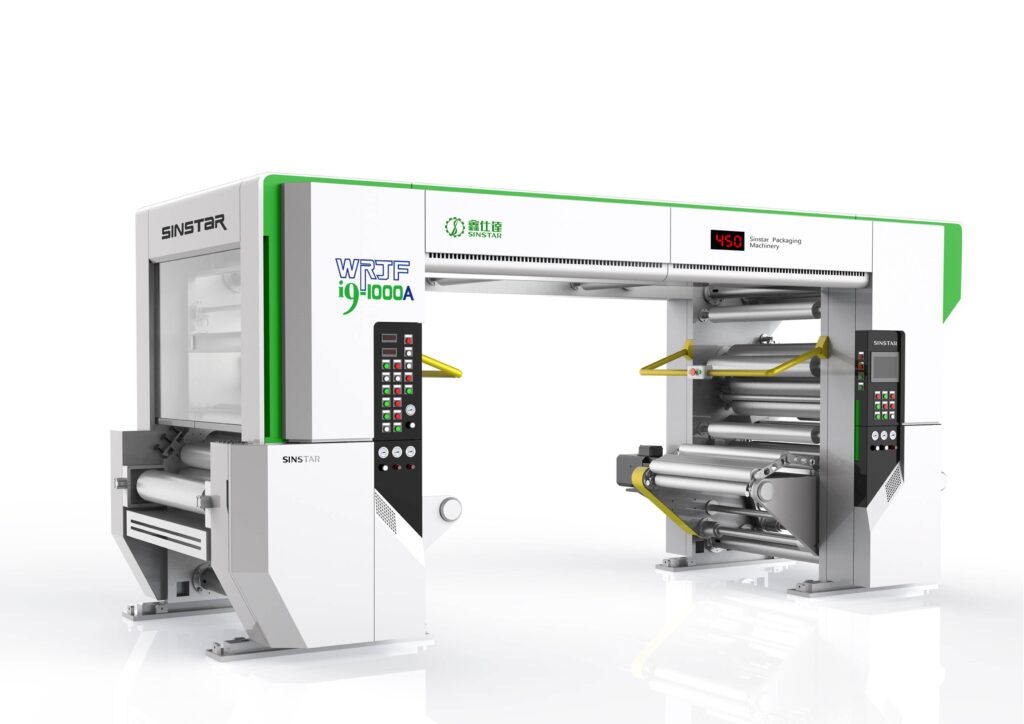
For manufacturers, maintaining the ideal adhesive coating weight can be challenging. Sinstar’s laminating machines use automatic adhesive dosing systems which provide precise adhesive application across each film meter. The system prevents both excessive and insufficient material application while it decreases waste and ensures consistent lamination results. With Sinstar, producers can focus on their products while the machine handles precise adhesive control.
Tips to Optimize Coating Weight with Laminating Machines
Maintaining the ideal adhesive coating weight requires attention to several factors:
- Regular calibration of the coating system to maintain consistent adhesive application.
- Adjusting laminating machine speed and pressure to ensure uniform bonding across the film.
- Selecting the right adhesive type for the substrate and product requirements.
- Collaboration with quality control teams to monitor performance and make ongoing adjustments.
These practices help reduce waste, improve production efficiency, and ensure the laminated film consistently meets quality standards.The adhesive coating weight is a small but critical factor in liquid packaging lamination. Precise adhesive coat weight measurement ensures that laminated films are strong, flexible, and reliable. By understanding how coating weight affects machine performance and product quality, manufacturers can optimize their lamination processes, reduce material waste, and deliver high-quality packaging that protects and preserves liquid products.