
Rollstock vs Premade Pouches: Which Packaging Format Is Better?

When choosing flexible packaging, manufacturers often compare rollstock and premade pouches. Both formats are widely used for food, beverages, pet food, personal care products, and other consumer goods. They can also offer similar features, including custom printing, barrier protection, and resealable closures.
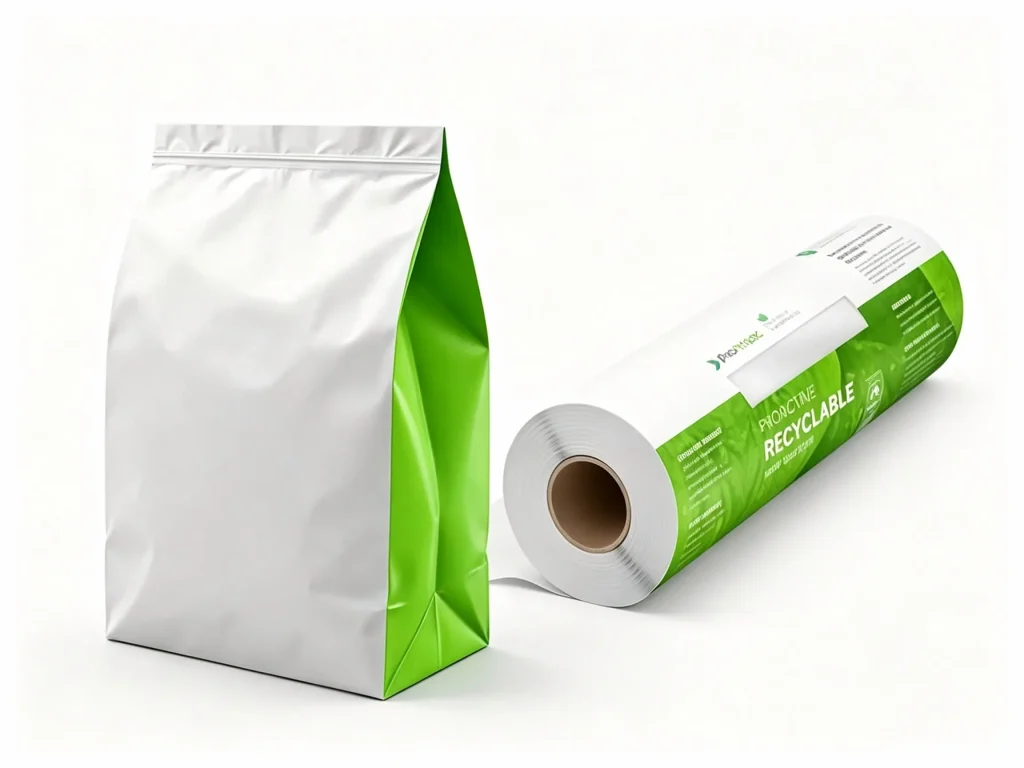
However, the two formats differ in how they are supplied and processed. Rollstock is delivered as continuous film on a roll and formed into packages during production. Premade pouches arrive as finished bags that are ready to be filled and sealed.
So, which option is better for your business? The answer depends on production volume, packaging design, equipment, and overall operating costs.
What Is the Difference Between Rollstock and Premade Pouches?
Rollstock packaging uses flexible film supplied in large rolls. During production, the film passes through a form-fill-seal (FFS) machine, where it is formed into a package, filled with the product, and sealed. Depending on the equipment, this can include vertical form-fill-seal (VFFS) and horizontal form-fill-seal (HFFS) systems.
Premade pouches are manufactured into finished bags before they reach the filling facility. They may already have features such as zippers, spouts, bottom gussets, or tear notches. During production, a pouch filling machine opens each bag, fills it with the product, and seals the top.
In simple terms, rollstock combines package forming and filling on the same production line, while premade pouches separate bag manufacturing from the filling process.
Both formats can support custom printing and different flexible packaging structures. The main difference is the production setup required to turn the packaging material into a finished product.
Is Rollstock Cheaper Than Premade Pouches?
Rollstock can offer a lower packaging cost per unit, especially for businesses with consistent, high-volume production. However, the total cost depends on more than the price of the packaging material.
One advantage of rollstock is that the film is supplied in continuous rolls rather than as individual finished bags. This can reduce material handling, storage, and transportation costs. It also allows manufacturers to produce packages directly on the filling line without ordering and storing large quantities of finished pouches.
Premade pouches usually have a higher unit price because they require additional converting processes before filling. Special features such as zippers, spouts, shaped bottoms, and custom pouch designs can add to the cost.
However, premade pouches may require less initial investment if a business does not have the budget or production volume to justify a complete form-fill-seal line.
When comparing the two, manufacturers should consider:
- Material costs: Compare the price of rollstock film with the price of finished pouches of similar size and structure.
- Equipment investment: Include the cost of forming, filling, and sealing equipment, as well as installation and maintenance.
- Storage and transportation: Rollstock is generally more compact than finished pouches, which can help reduce storage space.
- Production waste: Consider film trimming, start-up waste, damaged pouches, and rejected packages.
- Labor and operating costs: Account for operator requirements, changeovers, and routine maintenance.
For businesses with long production runs, rollstock may offer better cost efficiency over time. For smaller orders or frequent product changes, premade pouches may be a more practical option.
Which Is More Efficient for Packaging Production?
Production efficiency depends on the packaging equipment, product characteristics, and required output.
Rollstock is commonly used in automated production lines. Once the film is loaded and the machine settings are adjusted, the equipment can continuously form, fill, and seal packages. This makes it suitable for large production runs where the same package format is used for an extended period.
Premade pouch machines follow a different process. They need to pick up and open individual bags before filling and sealing them. The finished pouches must also be supplied to the machine in a way that allows consistent feeding and handling.
Although this adds a handling stage, premade pouch systems can be convenient when a business uses several pouch styles or needs to switch between different products.
Changeover requirements also matter. Changing rollstock may involve adjusting the film path, forming components, and sealing settings. With premade pouches, operators may need to change pouch dimensions, feeding components, or machine settings. Neither format guarantees faster changeovers in every situation.
The best way to compare efficiency is to look at actual output, downtime, changeover time, and rejected package rates under the intended production conditions.
What Products Are Better Suited to Rollstock or Premade Pouches?
Both formats are used across a wide range of industries, but certain products and packaging requirements may make one more suitable than the other.
When Should You Choose Rollstock Packaging?
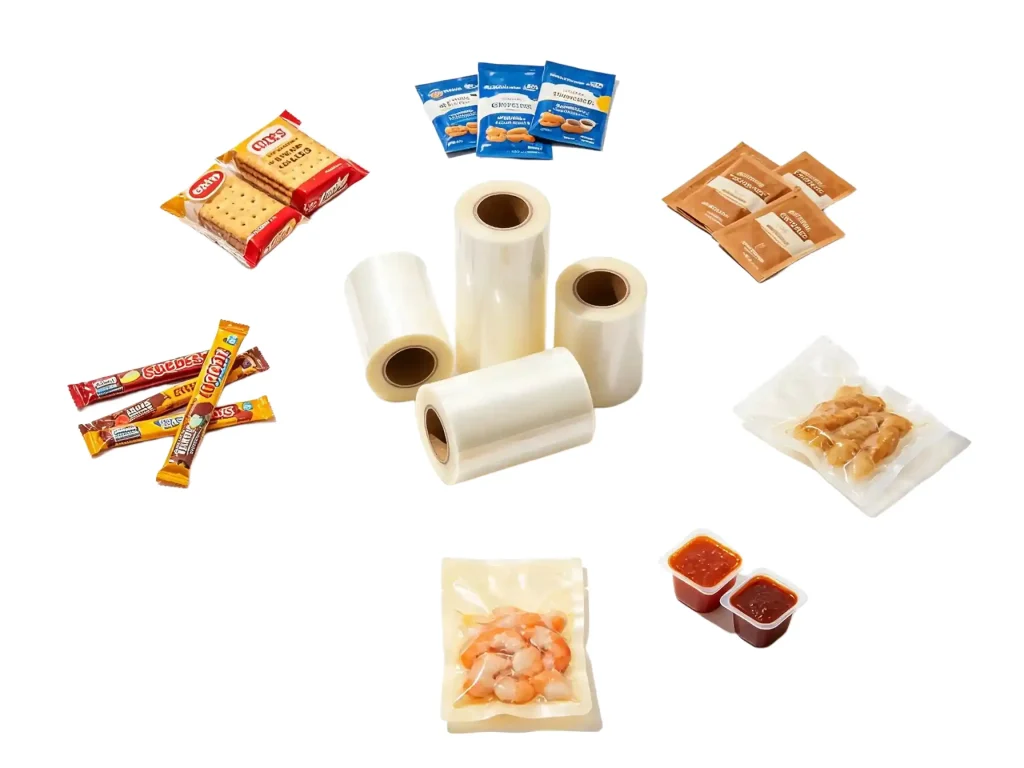
Rollstock is a practical choice for products that require consistent package sizes and continuous production. Common applications include:
- Snacks and confectionery: Chips, biscuits, candy, and other dry snacks are often packed using rollstock on automated packaging lines.
- Powdered products: Coffee, drink mixes, seasoning, and other powders can be packed into sachets, stick packs, or larger bags.
- Frozen food: Frozen vegetables, seafood, and other frozen products can use flexible rollstock structures designed for the required storage conditions.
- Single-serve products: Small portions of sauces, condiments, and other products can be packed using multilane sachet or stick-pack equipment.
Rollstock is particularly worth considering when packaging dimensions are relatively standardized and production volumes are high enough to support automated equipment.
When Are Premade Pouches a Better Choice?
Premade pouches are often preferred when packaging design and convenience are important. They are suitable for products that require additional features or distinctive pouch shapes.
Common examples include:
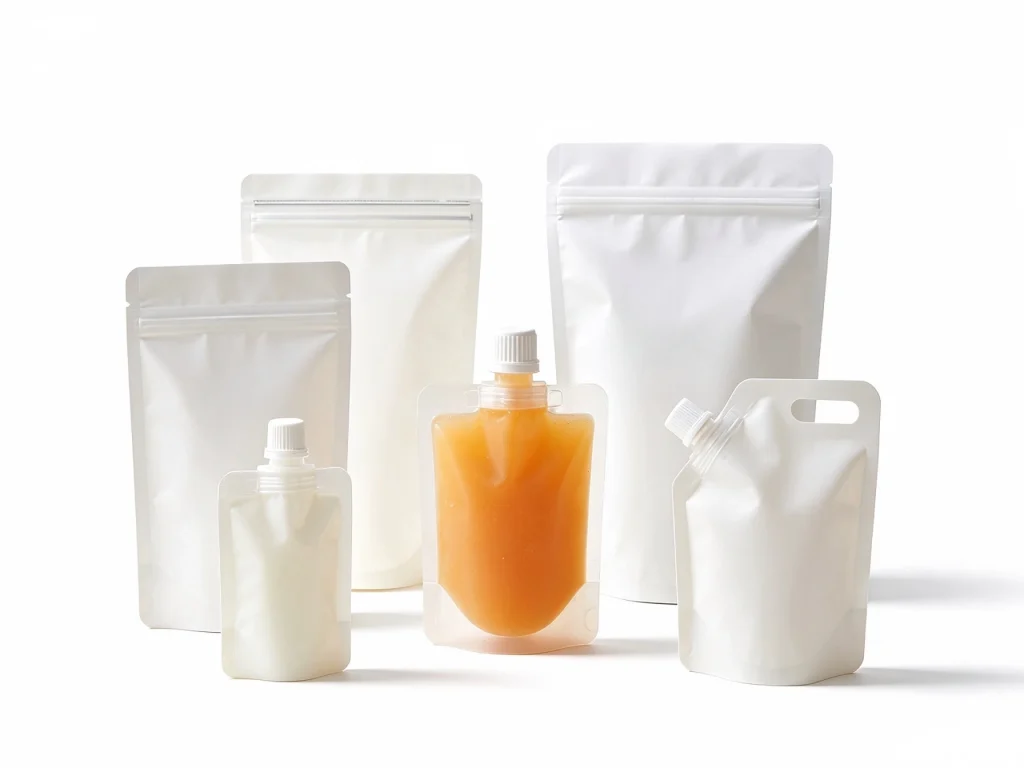
- Stand-up pouches: Used for pet food, snacks, coffee, and other retail products that need to stand upright on shelves.
- Resealable food packaging: Zipper closures allow consumers to open and close the package multiple times.
- Liquid products: Spouted pouches are commonly used for sauces, beverages, purees, and liquid detergents.
- Specialty packaging: Shaped pouches, pouches with handles, and other customized designs can support specific product and branding requirements.
Premade pouches are also useful for businesses testing new products or managing multiple packaging styles without investing in extensive bag-forming equipment.
What Packaging Designs Are Available for Rollstock and Premade Pouches?
Packaging appearance and functionality can influence both product protection and consumer experience. The available features depend on the equipment, film structure, and pouch design.
Rollstock can produce different package formats, including pillow bags, sachets, stick packs, and certain pouch styles. Some specialized FFS systems can also produce stand-up pouches or apply additional features, but these capabilities depend on the machine configuration.
Premade pouches generally offer more ready-made options for customized designs. Manufacturers can order bags with resealable zippers, spouts, valves, tear notches, bottom gussets, and shaped seals. These features are already incorporated before the pouches arrive at the filling facility.
Both formats can use multilayer flexible packaging materials to provide the required barrier against moisture, oxygen, light, or other external factors. Common materials include PET, PE, BOPP, PA, and aluminum foil.
The performance of the finished package depends largely on the selected material structure and sealing requirements, rather than whether the material is supplied as rollstock or a premade pouch. For more details, see our guide to film structures for solventless lamination.
How Can Sinstar Support Your Rollstock Production
Sinstar provides solventless laminating machines for flexible packaging manufacturers producing rollstock films. By bonding different film materials into multilayer structures, our equipment helps meet packaging requirements for barrier protection, sealing performance, and mechanical strength.
With experience in flexible packaging machinery since 2005, Sinstar offers laminating solutions for different film combinations and production requirements. Whether you are producing packaging films for snacks, food products, or other applications, we can help you find suitable equipment for your lamination process.