Top 10 Questions Before Buying an Automatic Laminating Machine

Flexible packaging manufacturers around the world are dealing with intense challenges right now. Production managers face constant pressure to increase daily throughput, drive down operating expenses, and hit demanding sustainability benchmarks by cutting out volatile organic compounds (VOCs). Because of this setup, choosing a high-performance automatic laminating machine has become the default move for converting facilities aiming to modernize their plant operations.
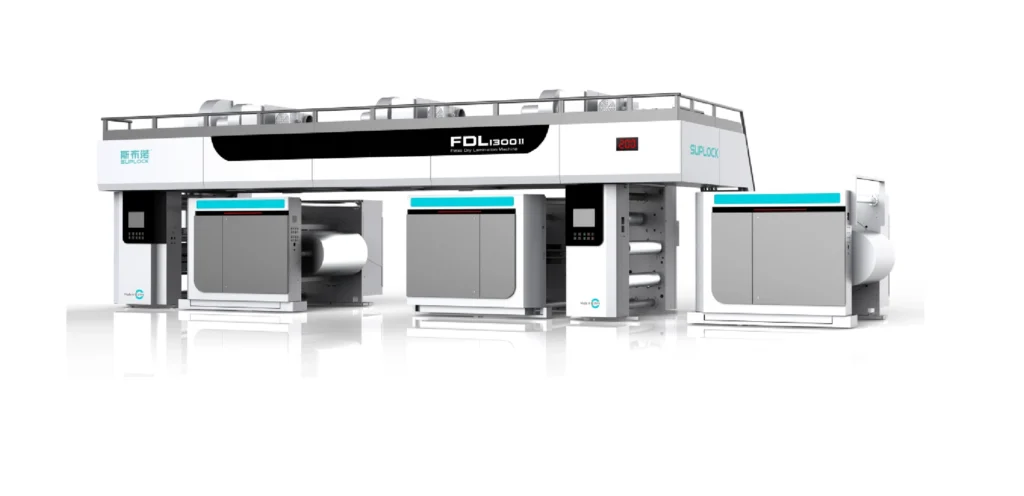
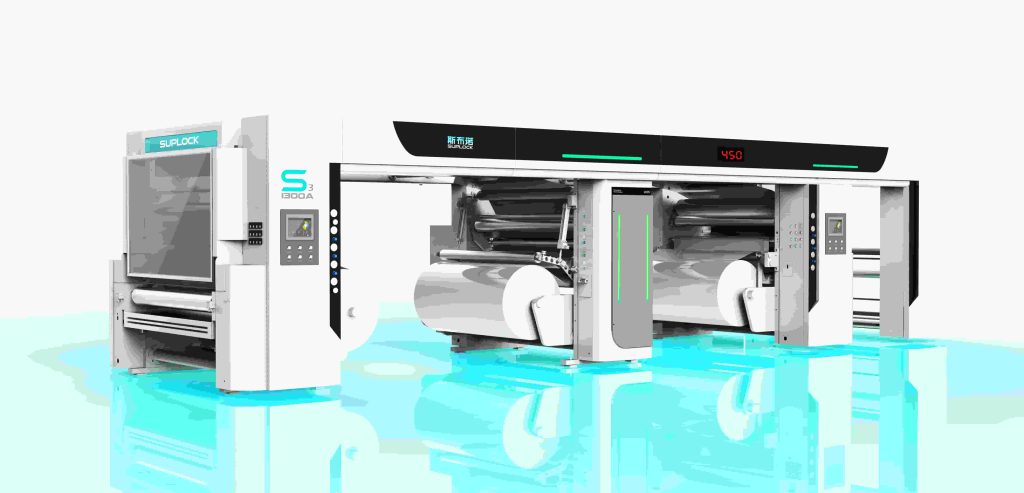
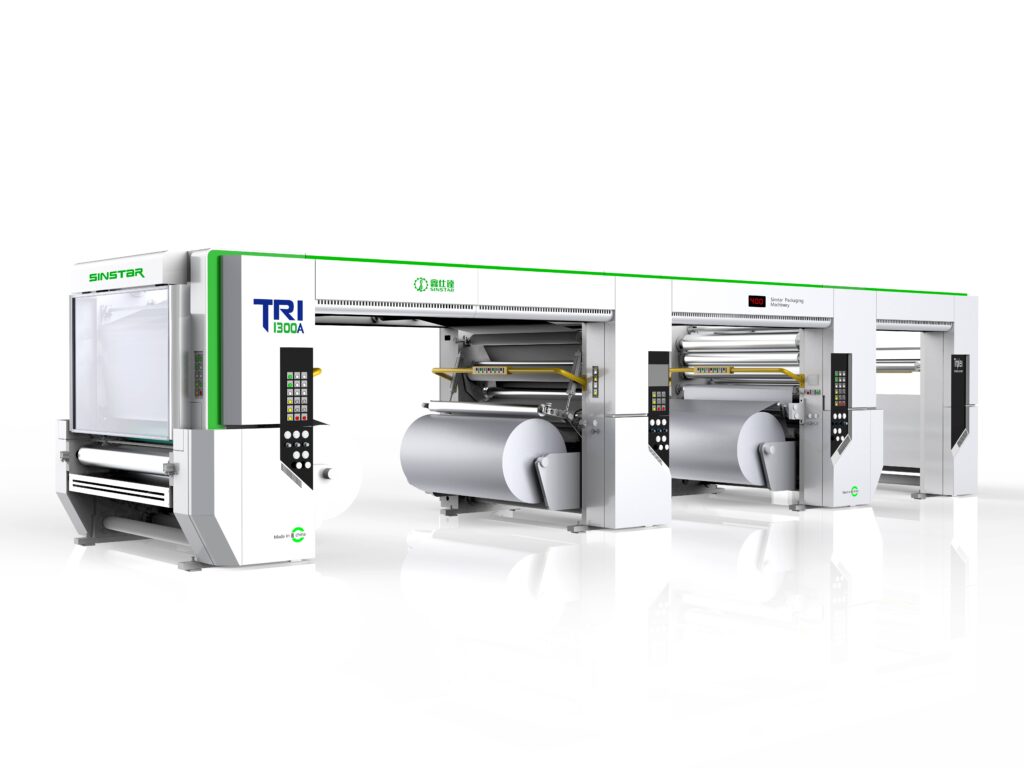
But here is the catch: if you look closely at the hardware options on the market, you will quickly notice that not all solventless laminators deliver the same level of automated control, mechanical stability, or long-term financial yield. Buying one of these systems represents a serious capital investment, and making the wrong choice will mess up your operational efficiency for years. To prevent that from happening, plant owners and machinery buyers need to evaluate their exact production requirements by checking a specific list of technical parameters. Let us walk through the top 10 questions you should ask every equipment supplier before signing a purchase contract, and look at how the Sinstar S2-1300A II dual-station solventless laminating machine answers these exact engineering requirements.
Q1. Does the Machine Support Non-Stop Automatic Roll Change?
If you operate an older, traditional laminating setup, you already know that roll changes are huge productivity killers. Every single time a roll runs out of web material, your operators have to halt the machine, manually slice the film, swap out the core, and re-thread the system. This manual approach causes substantial issues across your entire plant workflow:
- Unnecessary Production Downtime: The machine sits completely idle while operators handle the heavy lifting, lowering your overall plant capacity.
- Excessive Material Waste: Stopping and starting web tension lines always creates out-of-spec, baseline scrap material that goes straight into the trash.
- Depressed Total Output: Your daily yield drops because the equipment spends a large chunk of the shift waiting for manual adjustments.
- Inflated Daily Labor Costs: You need multiple operators on standby just to manage basic roll physical handling during high-volume runs.
This is where an advanced automatic laminating machine completely changes your operational numbers. A genuine dual-station design integrates independent mechanical shafts that rotate automatically to switch rolls. The system executes a high-speed flying splice on the fly without lowering the linear processing velocity. By choosing this layout, you keep the web moving continuously, which stabilizes your thermal and mechanical parameters and spikes your Overall Equipment Effectiveness (OEE).
The S2-1300A II Engineering Checklist:
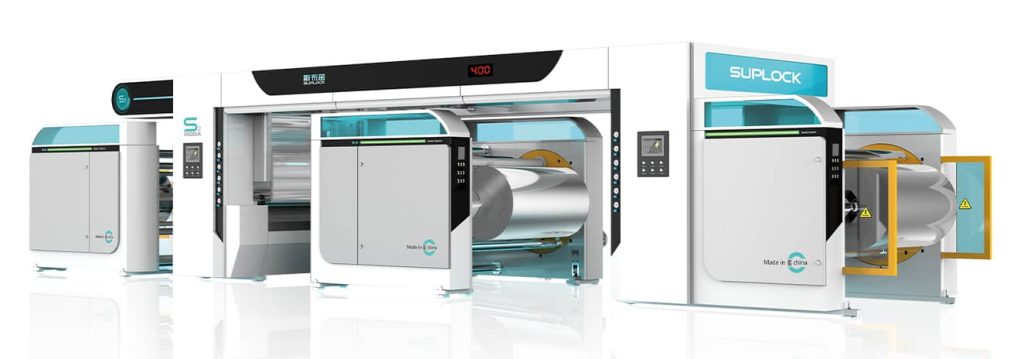
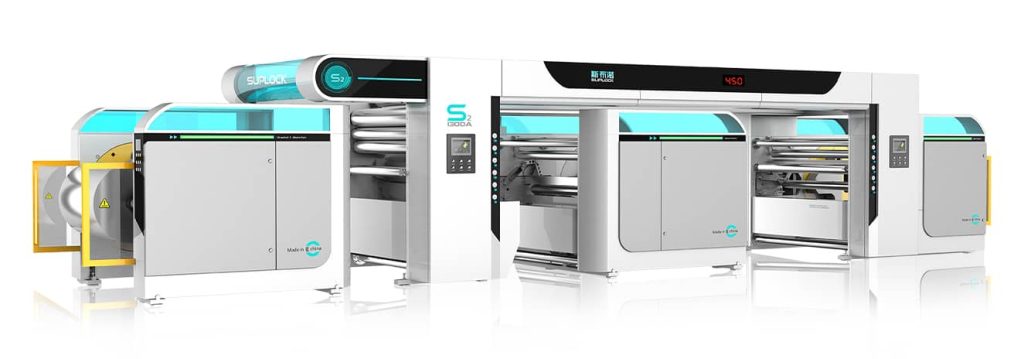
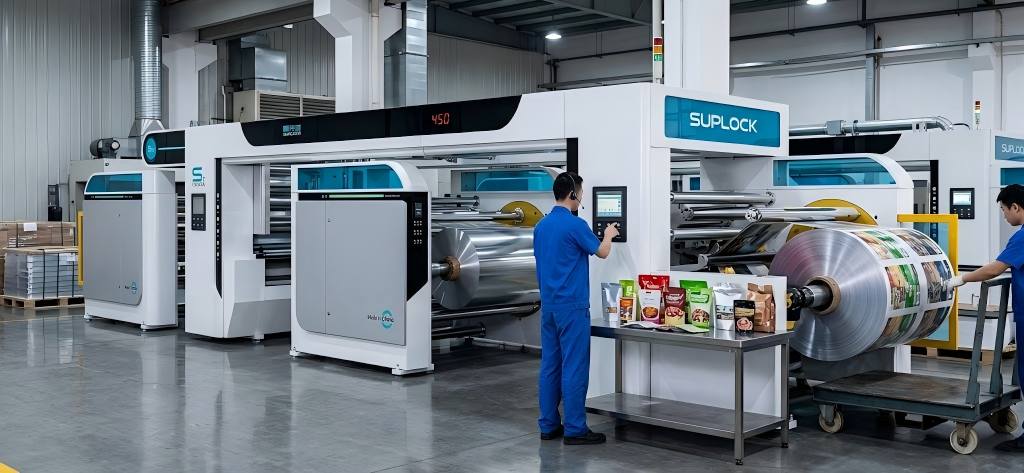
When you look at the Sinstar S2-1300A II dual-station solventless laminating machine, this non-stop functionality is built directly into its core structural design. The machine features dual-station unwinding and rewinding assemblies that handle maximum raw roll diameters of up to 800mm. It eliminates the manual stop-and-start cycle entirely. When the active roll reaches its minimum calculated diameter threshold, the integrated pneumatic splice arm automatically deploys, applies the adhesive splicing tape, cuts the expiring web, and transfers the path to the fresh roll. This structural upgrade saves hours of unnecessary idle machine time over a standard work week.
Q2. What Is the Maximum Operating Speed?
Line speed is a primary metric that maps directly to your plant’s yearly financial capacity, but you have to look past the marketing numbers. Plenty of entry-level solventless systems advertise top speeds of 200 to 300 meters per minute. However, when you actually load thin, flexible films or multi-layer barrier materials onto those entry-level systems, the mechanical frame starts vibrating, the web wanders, and the coating thickness varies widely. The real question you must ask a supplier is not just the maximum rated engineering speed, but the actual stable production speed under regular factory floor conditions.
Operating efficiently at high velocity requires massive, heavy-duty iron side frames, precision-ground rollers, and dynamic motor sync. If the machinery frame cannot absorb harmonic vibrations at high RPMs, your finished rolls will show systematic wrinkling or uneven tracking, which ruins your quality yields.
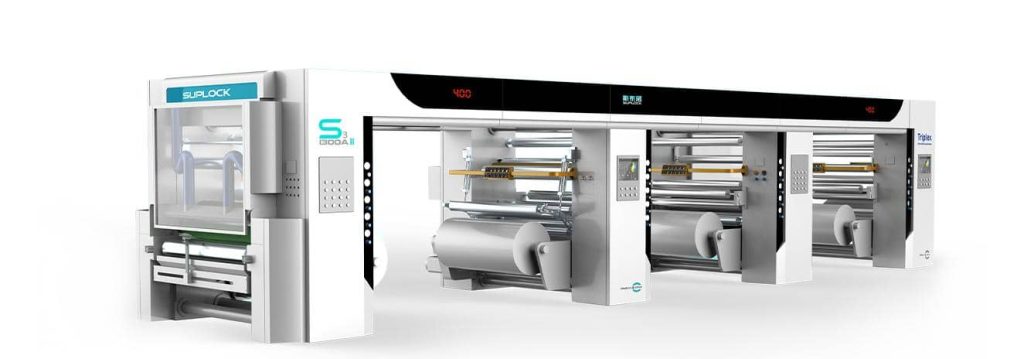
The Sinstar S2-1300A II is explicitly engineered to handle high-velocity output demands. It delivers a maximum rated operating speed of 450 meters per minute. More importantly, its physical structural weight and low center of gravity allow it to sustain that 450 m/min pace as a standard, everyday production speed. Because the system maintains structural rigidity across its entire frame, it applies a completely flat, predictable web profile even when running at top velocity, allowing plants to maximize their annual output figures safely.
Q3. How Accurate Is the Adhesive Coating System?
In the solventless lamination segment, your single biggest recurring variable expense is the multi-component polyurethanic adhesive itself. Since you are not running a solvent-based machine that uses cheap evaporative fluids, every fraction of a gram of excess adhesive you apply per square meter cuts directly into your plant’s net margins. If your coating control system is sloppy or imprecise, you run into severe quality and cost penalties:
- Excess Adhesive Consumption: Over-applying material by just 0.2 grams per square meter can waste tens of thousands of dollars in raw chemicals annually.
- Bonding Irregularities: Variations in adhesive density create weak zones across the film web, causing eventual failure in the field.
- Delamination Events: If sections receive insufficient adhesive coverage, the individual film layers will peel apart during subsequent pouch-making or hot-filling steps.
- Escalating Production Rejects: Inconsistent coating forces you to reject entire finished rolls during final quality control checks.
To avoid these failures, you should look for advanced coating designs that rely on independent servo-driven metering rolls, automatic gap adjustment, and real-time thermal regulation to hold chemical viscosity completely stable.
Sinstar tackles this problem by implementing a proprietary three-roller reverse ultra-fine coating design. The system utilizes an independent servo drive for each roller in the coating assembly, allowing operators to fine-tune the relative speed ratios down to precise percentages. The gap between the metering roller and the coating roller is adjusted through a high-precision digital interface. Instead of forcing your operators to use mechanical feeler gauges and manual handwheels, the S2-1300A II allows for one-click digital input of the target coating weight. The system then automatically locks in the required mechanical gaps and monitors them continuously, ensuring that adhesive distribution remains completely uniform from the first meter of the roll to the very last.
Q4. How Advanced Is the Tension Control System?
Managing web tension across a solventless laminator is a complex engineering task. You are taking two or more entirely different substrates—such as a rigid, thermally sensitive PET film and an elastic, high-slip PE film—and pressing them together using a specialized nip roller. If your tension control system allows even minor spikes or drops in web pull, your final rolls will suffer from defects like wrinkling, permanent material curling, layer misalignment, or structural film stretching. Once a thin film stretches beyond its elastic limit inside the machine, it will shrink back after rewinding, which warps the entire combined structure.
A top-tier automatic laminating machine must feature fully independent, closed-loop tension zones across the entire path of the web. This means you need sensitive dancing arms or integrated load cells that constantly measure the actual physical pull of the film and send instantaneous feedback data to the digital drive motors.
The Sinstar S2-1300A II manages this through a multi-zone, fully decoupled tension control architecture. Each unwinding station, the main coating zone, the laminating nip point, and the final rewinding station operate under their own independent closed-loop servo control loop. High-precision pneumatic swinging arms react to millisecond-level changes in web resistance, keeping tension values rock-solid within an exceptionally narrow tolerance range. This enables the machine to process incredibly sensitive, thin-gauge films without inducing physical deformation.
Q5. Can the Machine Process Different Packaging Structures?
Modern flexible packaging converters cannot survive by running just one type of standard material structure. Consumer goods brands constantly demand diverse, specialized film combinations to protect their products. Your floor needs a machine that can jump between different materials without requiring a massive, multi-hour mechanical rebuild. Common combinations include:
| Material Combination | Common Application Type | Primary Processing Challenge |
| PET / PE | Standard stand-up food pouches | Balancing different elastic coefficients |
| PET / CPP | Retort and high-temperature packaging | Managing thermal expansion variations |
| BOPP / CPP | Snack food and bakery overwraps | Preventing structural web tracking errors |
| PET / AL / PE | Ultra-high barrier medical and coffee pouches | Controlling curl on zero-stretch aluminum foil |
| Nylon / PE | Vacuum packaging and frozen food bags | Managing hygroscopic film moisture variations |
When you are looking to purchase a new asset, ask the supplier if their standard setup can process challenging aluminum foil lines or heavy, high-barrier co-extrusions without scratching the foil or leaving un-laminated air pockets in the web path.
The structural layout of the S2-1300A II solventless laminating machine provides exceptional flexibility across this entire list of materials. Available in standard effective web widths of 1050mm, 1350mm, and 1650mm, it adapts easily to various plant layouts. For tricky material runs like thin aluminum foil structures, Sinstar incorporates an optimized active unwinding assist system. This prevents the metal foil from wrinkling or tearing due to sudden inertial loads during rapid acceleration or deceleration phases. The machine can also be configured to behave like a highly adaptive combi lamination machine, giving you the ability to swap coating rollers quickly to handle distinct chemical formulations across different barrier substrates.
Q6. What Level of Automation Does the Machine Offer?
Relying heavily on the individual skill and tribal knowledge of a single machine operator is a major risk for a modern manufacturing business. If your machine requires constant manual tweaking to keep the web tracking straight or to hold the coating layer smooth, your product quality will change completely from shift to shift. True industrial automation is about removing operator guesswork and replacing manual adjustments with automated, repeatable machine actions.
When evaluating a modern automatic laminating machine, look closely at which specific functions run entirely on their own. Can the machine calculate its own taper tension profiles? Does it manage the mixing ratio of the chemicals automatically? High automation means fewer touches per shift, which translates directly to lower operating overhead and highly predictable product quality.
The automation suite on the S2-1300A II eliminates traditional human error points. The entire roll splicing sequence, tension calculation matrix, and web tracking adjustments run fully automatically via integrated digital sensors. Furthermore, the system integrates seamlessly with Sinstar’s optional Acuratio automatic intelligent chemical mixing unit. This ancillary system monitors and pumps the exact multi-part adhesive ratio directly into the coating fountain on demand, maintaining the correct chemical volume without requiring manual monitoring or bucket transfers by your floor operators.
Q7. Does the Machine Include Digital Recipe Management?
If your production schedule requires you to run five or six short-run jobs per day, your biggest hidden profit drain is job changeover time. On an unautomated machine, changing jobs forces the operator to look up old notebook logs, manually input a dozen distinct motor speeds, adjust thermal zones, reset mechanical tension values, and waste hundreds of meters of film dialing in the settings. A modern system must include a comprehensive digital recipe management software platform.
This software layer allows your operators to save all production parameters under a unique job name or alphanumeric code. The next time that specific packaging structure comes up on the schedule, the operator simply taps the touch screen to load the file, and the machine configures itself automatically. This approach yields major advantages:
- Drastically Faster Job Changeovers: Transition times drop from over an hour down to just a few minutes, keeping your machine running and earning money.
- Complete Eradication of Input Errors: Eliminates typo mistakes or forgotten parameters that cause unexpected material failures.
- Perfect Product Repeatability: Ensures a re-ordered job looks and performs exactly like the batch you ran six months ago, keeping your brand customers happy.
Sinstar integrates this exact digital capability into the S2-1300A II operating software. Its onboard computer storage holds thousands of discrete material recipes. With a single tap on the master HMI console, the machine automatically repositions its electronic parameters, recalls the exact coating gap calibration values, and sets up the active tension curves. It also records historical production run data, giving your management team full visibility into real-time performance logs and material consumption metrics.
Q8. What Control System Is Used?
The electronic control hardware is the absolute brain of your automatic laminating machine. Some manufacturers try to save money on their manufacturing costs by sourcing generic, non-branded programmable logic controllers (PLCs) or proprietary, closed-source control boards. This is a massive warning sign for international buyers. If a non-branded control board fails, your entire production line stops instantly, and you are stuck waiting weeks for a proprietary replacement part to ship across the world. Finding a local field engineer who knows how to program or troubleshoot a non-standard system is nearly impossible.
You should always insist on an internationally recognized, open-architecture control platform. Standardized global components ensure highly reliable system performance, excellent electrical noise resistance, long-term spare parts availability, and straightforward software updates.
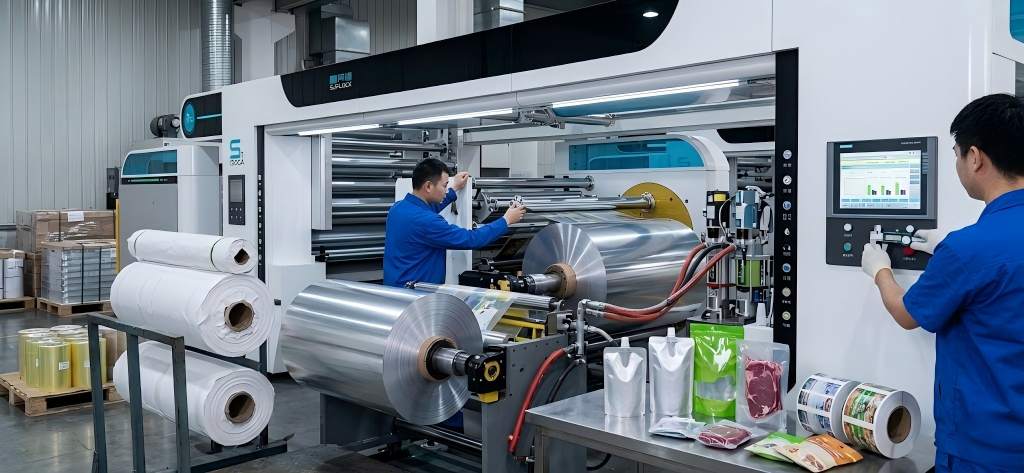
Sinstar protects your production uptime by partnering exclusively with top-tier automation providers. The S2-1300A II utilizes a full Germany-sourced Siemens PLC and industrial human-machine interface (HMI) control system. Every single drive motor, sensor interface, and communication bus runs on standard Siemens architecture. This configuration delivers rock-solid hardware stability and means that spare components are readily available in almost every major industrial city worldwide. Additionally, the system includes built-in secure internet connectivity modules, allowing Sinstar’s engineering team to log in remotely to perform real-time diagnostics, trace software faults, and update control logic without needing to fly a technician to your facility.
Q9. What Is the Expected Return on Investment (ROI)?
When you are looking at capital equipment budgets, focusing entirely on the initial purchase price is a classic mistake. A cheap laminator with a low price tag often ends up costing you far more over time through slow operating speeds, constant maintenance breakdowns, high scrap rates, and excessive adhesive consumption. A pro-level purchasing manager evaluates an asset based on its Total Cost of Ownership (TCO) and its real-world return on investment (ROI).
To calculate accurate ROI projections, you need to run the numbers on several distinct financial factors:
- Daily Volumetric Output: A machine that runs reliably at 450 m/min with non-stop roll changes out-produces entry-level machinery by more than two to one.
- Adhesive Savings: Precision micro-coating adjustments that cut chemical waste by 10% can save thousands of dollars every single month.
- Labor Force Reductions: High automation allows a single operator to manage the entire cell, freeing up staff for other parts of your plant.
- Reduced Energy Consumption: Modern eco-efficient servo motors and smart heating zones lower your monthly utility bills.
The S2-1300A II is built precisely to optimize these exact operational cost categories. Because it combines high running speeds with an exceptionally low waste rate during automatic splicing, the cost per square meter of finished laminate drops significantly compared to conventional machines. Most converting plants that replace older, single-station equipment with the S2-1300A II report full capital payback within an impressively short operational window.
Q10. What After-Sales Support and Technical Service Are Available?
Even the most advanced, perfectly engineered automatic laminating machine will eventually require professional service, preventative maintenance, calibration, or spare wear-and-tear parts. If your machinery vendor goes silent after cashing your final payment check, you are exposed to massive operational risk. Before you issue a down payment, you need clear answers about exactly how the supplier handles global installation, operator training, and ongoing technical support.
A reliable supplier must provide comprehensive on-site installation support, intense training programs for your machine operators, and hold an extensive inventory of wear parts ready for fast courier shipment.
Sinstar brings massive industry experience to the table here. Founded back in 2005, the company has spent over two decades focusing exclusively on the R&D and manufacture of high-end solventless lamination technology. Sinstar has successfully installed more than 2,680 machines globally across 38 distinct countries. This massive global footprint is backed by a deeply experienced team of mechanical, electrical, and polymer process engineers. When you purchase an S2-1300A II, you are buying into a complete support infrastructure that includes comprehensive remote video diagnostic support, rapid parts dispatch, and on-site field engineering teams capable of troubleshooting complex process challenges quickly to ensure your line keeps running smoothly.
Final Thoughts
Investing in a new automatic laminating machine is a major strategic milestone that will shape your plant’s throughput capacity, product quality standards, and overall market competitiveness for the next decade. By forcing machinery vendors to answer these 10 core questions, you can cut through vague sales talk and evaluate equipment based on real engineering facts.
Systems like the Sinstar S2-1300A II dual-station solventless laminating machine demonstrate that modern, high-speed automated manufacturing is within reach. With its non-stop roll change functionality, stable 450 m/min running velocity, highly precise digital coating controls, and premium Siemens control architecture, the S2-1300A II is much more than just a standard piece of iron on your factory floor. It represents a deeply engineered, long-term solution designed to maximize productivity and secure strong profitability for modern flexible packaging converters worldwide.