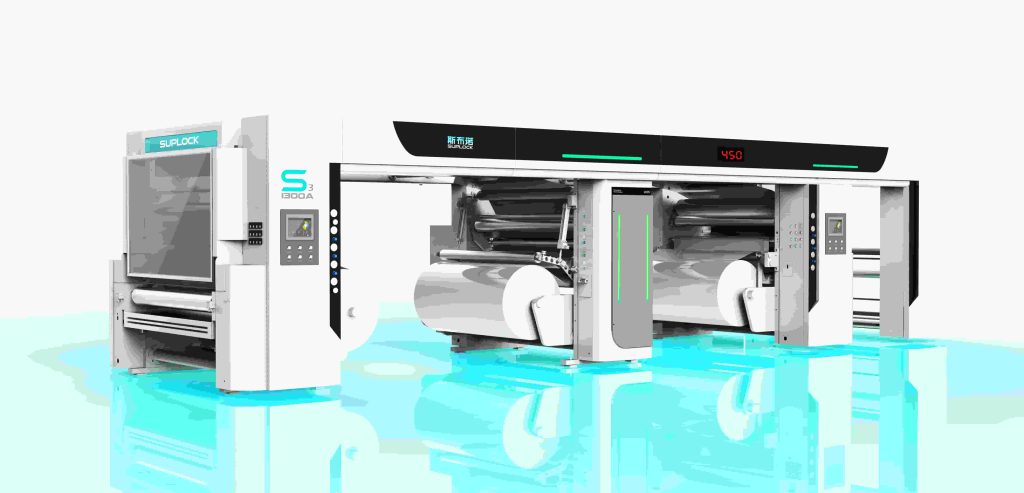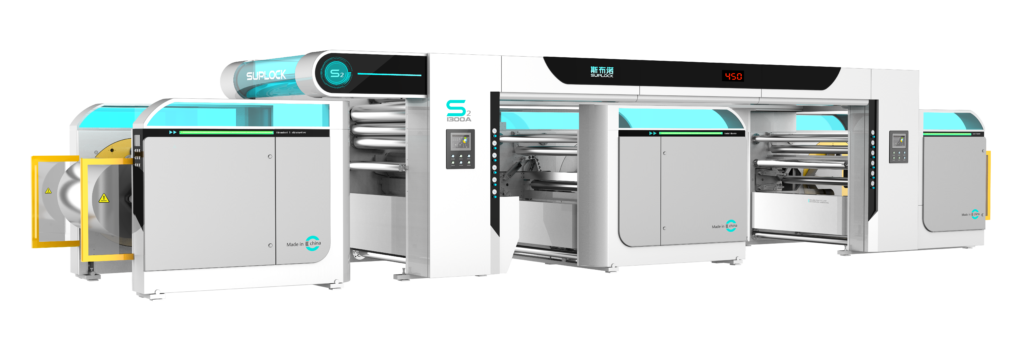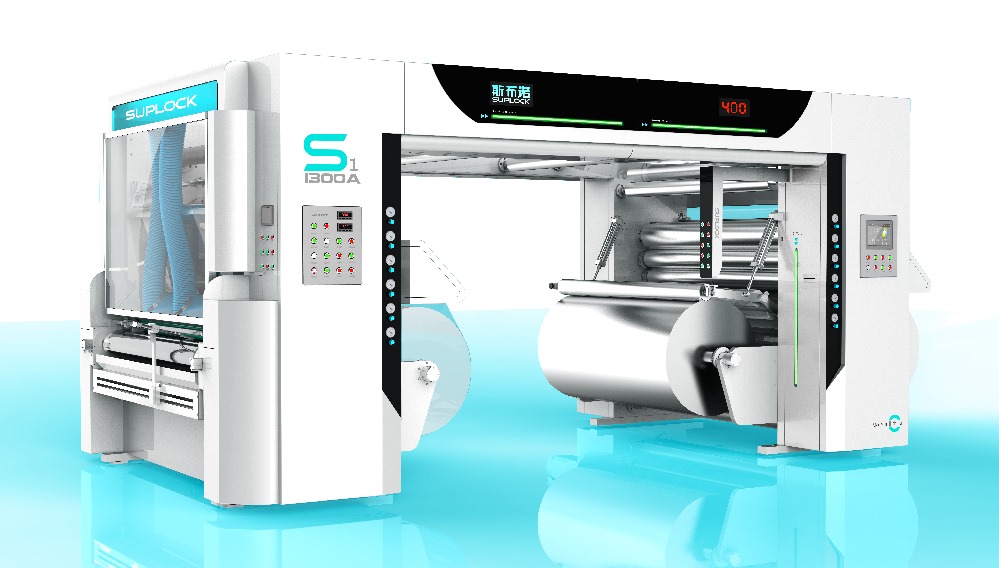
How to Choose the Right Packaging Lamination Machine: Solventless or Digital

The packaging lamination machine is a vital tool in flexible packaging manufacturing, and it is also an investment that lasts for years; quality, costs, regulations, and customer satisfaction directly depend on it.
With the shift in packaging trend to shorter runs, accelerated delivery, and eco-friendly production, the solvent-based lamination method that has been in use for so long is slowly getting out of the race. Today, buyers consider not only the performance of the solventless and digital lamination machines but also the total cost of ownership (TCO), flexibility, and future adaptability.
This guide is for the decision-makers who wish to minimize risk, enhance ROI, and choose the appropriate lamination technology that matches their business model.
Understanding Your Production Needs Before Buying
To prevent the situation of poor equipment investments caused by expectation mismatches instead of technical limitations, buyers have to strictly identify their production profile prior to comparing machine specifications.
Key Questions Buyers Should Ask
- Are your orders predominantly long runs or short runs?
- What kind of markets do you supply: food, pharmaceutical, or export?
- Is sustainability turning into a requirement either for customers or regulators?
- Do you require quick changeovers to process multiple SKUs each day?
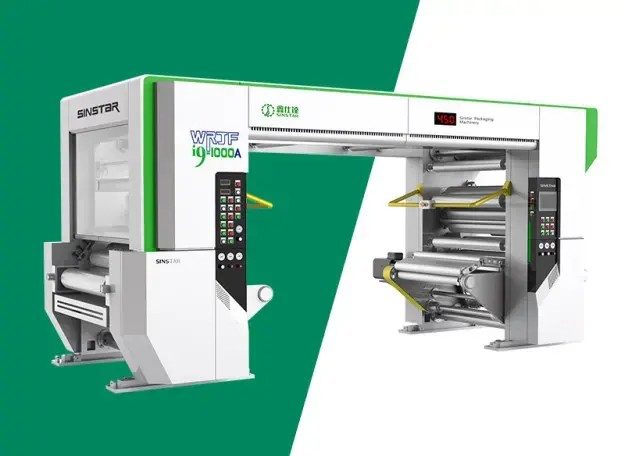
The responses to these queries will decide on which machine, i.e., solventless lamination machine, digital lamination machine, or hybrid, is the best choice.
Why Solventless Lamination Machines Deliver Better Long-Term ROI
1. Lower Operating Costs Over the Machine Lifetime
A machine solvent-free for lamination purposes does not require drying ovens, solvent recovery systems, and exhaust infrastructure. This, in turn, leads to the following reductions:
- Energy consumption
- Maintenance complexity
- Spare parts dependency
Even though the first investment could be the same as for the solvent-based systems, the operating costs are much lower, making the solventless lamination process more economical in the long run.
2. Compliance Without Hidden Costs
Solventless lamination produces zero VOC emissions, simplifying compliance with:
- Food packaging regulations
- Workplace safety standards
- Environmental audits
This compliance advantage for exporters to Europe, North America or global brand owners decreases the time for approval and customer friction.
3. Faster Production Start-Up and Changeover
Solventless lamination machines allow:
- Immediate start after adhesive application
- No oven warm-up time
- Faster job switching
This efficiency is especially valuable for converters managing multiple customers and frequent order changes.
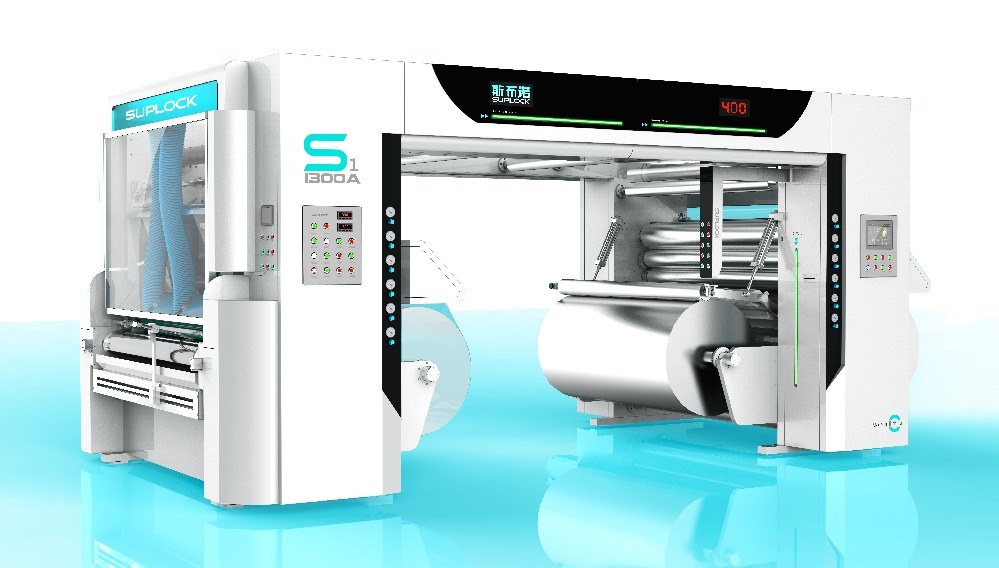
When a Digital Lamination Machine Becomes the Smarter Choice
Designed for Short-Run and High-Mix Production
A digital lamination machine is optimized for manufacturers handling:
- Small batch orders
- Customized packaging
- Seasonal or promotional designs
Classic high-speed lamination machinery is generally terribly affected by frequent stops and the wasting of time during installation. On the contrary, digital lamination machines are designed to eliminate downtime totally.
Supporting Digital Printing Workflows
The growing market of digital printing requires that lamination be updated in terms of speed and flexibility. Digital lamination machines are totally compatible with digital presses, which enables the packagers to:
- Shorten lead times
- Reduce finished goods inventory
- Accept lower minimum order quantities profitably
More and more brands that sell directly to consumers and premium food producers are requesting this feature.
Faster Time-to-Market = Competitive Advantage
Converters are able to achieve the goal of going from design approval to finished packaging in days through the use of digital lamination—thus the cutting of weeks that comes with the traditional method—an advantage that directly translates into increased customer retention and pricing power.
Solventless vs Digital Lamination: How You Should Decide
Rather than viewing solventless and digital lamination as competitors, many successful converters evaluate them as complementary solutions.
Solventless Lamination Is Ideal If You:
- Produce medium to long runs
- Focus on food or pharmaceutical packaging
- Prioritize energy efficiency and compliance
- Want the lowest long-term operating cost
Digital Lamination Is Ideal If You:
- Handle frequent job changes
- Serve multiple small brands
- Offer customized or seasonal packaging
- Need fast turnaround with minimal waste
In many cases, investing in a solventless lamination machine with digital-friendly features offers the best balance between speed and flexibility.
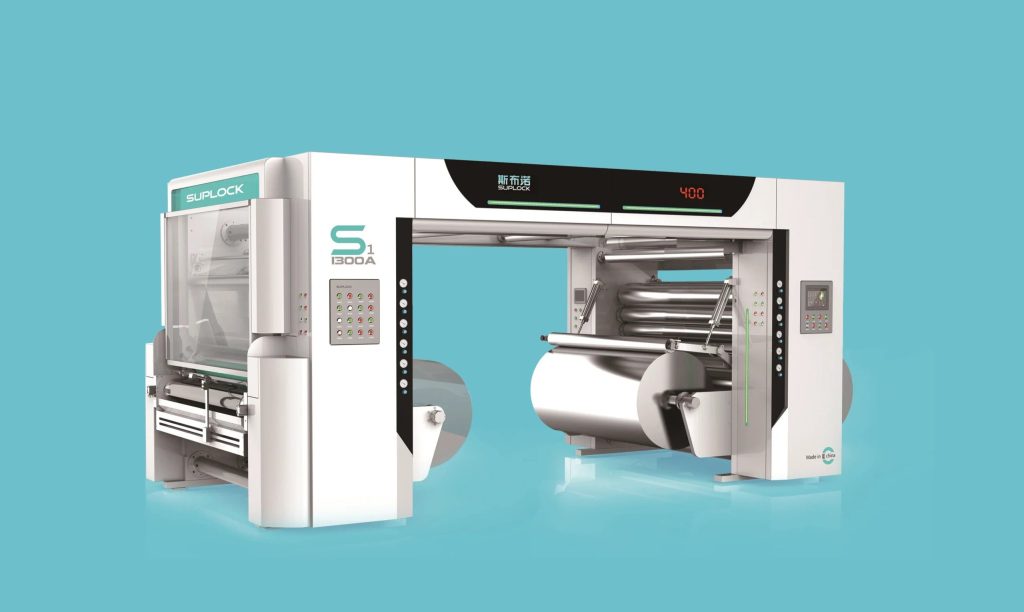
Critical Buying Factors That Affect Conversion and ROI
1. Automation Level
Modern buyers increasingly prefer machines with:
- Automatic tension control
- Recipe memory for repeat jobs
- Centralized touchscreen operation
Higher automation reduces dependency on skilled operators and ensures consistent lamination quality.
2. Adhesive Compatibility and Performance
Not all solventless lamination machines support the same adhesive systems. Buyers should confirm:
- Compatibility with food-grade adhesives
- Stable bond strength at high speeds
- Short curing times
Adhesive performance directly affects product quality and customer acceptance.
3. Machine Stability and Build Quality
High-speed lamination requires precise web handling. Machine rigidity, roller alignment, and drive systems all impact long-term reliability. Buyers should prioritize:
- Proven mechanical design
- Industrial-grade components
- Clear maintenance access
4. After-Sales Support and Training
A lamination machine is only as reliable as the support behind it. Strong suppliers provide:
- Operator training
- Remote troubleshooting
- Fast spare parts delivery
This reduces downtime and protects production schedules.
Total Cost of Ownership: What You Should Calculate
Price alone is no longer the main decision factor. Experienced buyers evaluate:
- Energy consumption
- Adhesive usage efficiency
- Labor requirements
- Maintenance intervals
- Production uptime
In most scenarios, solventless lamination machines outperform solvent-based systems in total cost of ownership within 2–3 years of operation.
FAQ: Common Buyer Questions
Q1: Is solventless lamination suitable for high-speed production?
Yes. Modern solventless lamination machines can operate at high speeds while maintaining stable bond quality.
Q2: Can digital lamination handle food packaging applications?
Yes, provided the machine supports food-grade adhesives and controlled curing conditions.
Q3:Which option offers faster ROI?
For long runs, solventless lamination offers faster ROI through lower operating costs. For short runs, digital lamination delivers ROI through flexibility and reduced waste.
Q4: Can one machine handle multiple materials and applications?
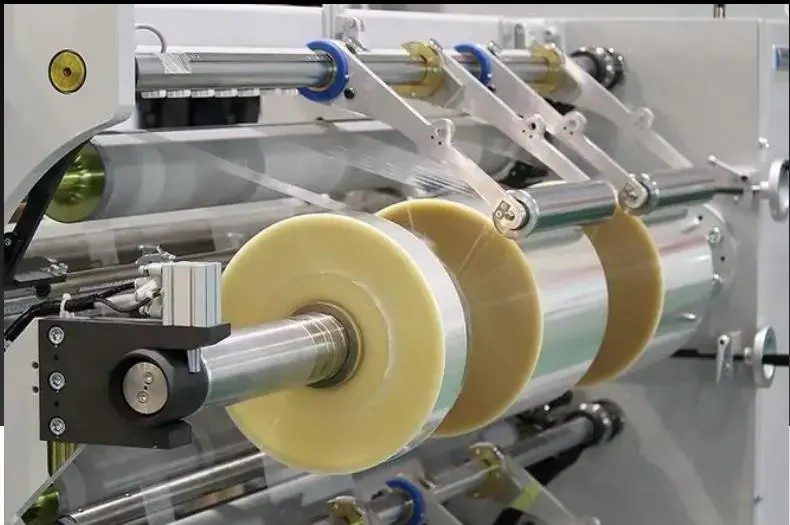
Yes. A high-quality packaging lamination machine can process:
- PET / BOPP / CPP / PE films
- Multi-layer flexible packaging structures
- Food, daily-use, and industrial packaging
Before purchasing, always confirm adhesive compatibility and material thickness range.
Q5: How do I reduce risk when buying overseas equipment?
Key risk-reduction steps:
- Request application testing
- Confirm spare parts lead time
- Evaluate service response capability
A reliable supplier focuses on long-term partnership, not just equipment delivery.
Looking to upgrade or expand your lamination capability?
Our team will help our clients evaluate production needs, select the right lamination solution, and optimize ROI.
- Request a free application assessment
- Compare solventless vs digital lamination options
- Get expert advice tailored to your materials and markets
Contact us today to discuss your packaging lamination project.