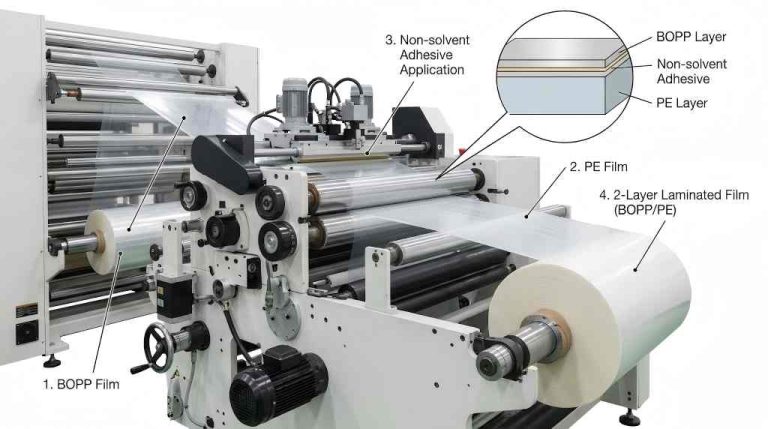
BOPP PE 2-ply Lamination in Flexible Packaging

PET/PE vs. BOPP/PE 2-layer Lamination in Flexible Packaging: How to Choose

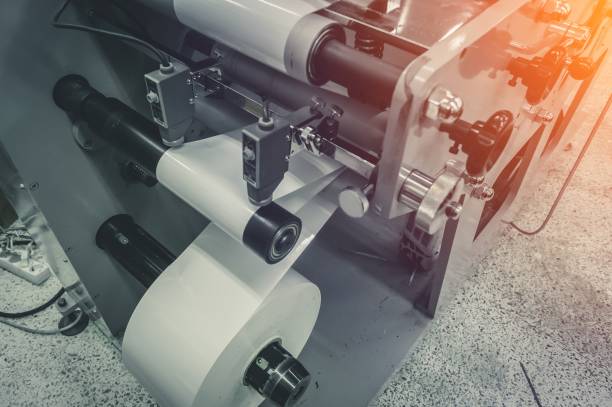
In the business of flexible packaging manufacturing, choosing the right substrate in 2-layer lamination technology is one of the most basic decisions that determines the shelf life of the package, the operability on equipment, and overall manufacturing cost. Being a technical professional at a packaging facility, I find myself often confronted with clients who have difficulty…

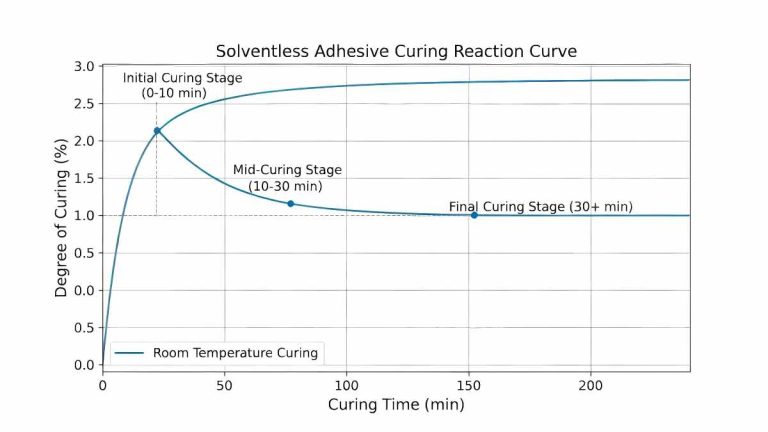
Solventless adhesive curing reaction curve

How to Cure Time in Solventless Lamination Adhesive via Precise Temperature Control

The efficiency and quality of flexible packaging production depend heavily on the chemical and physical performance of the materials used. This type of bond involves the use of solventless lamination adhesives. Solventless lamination process is the preferred method due to its environmentally friendly nature and convenience in that it does not require drying tunnels used by…

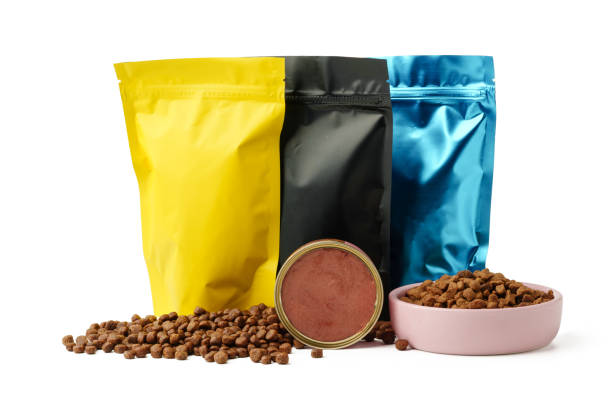
pet-food-packaging

How Pet Food Packaging Requirements Affect Lamination Process and Equipment?

Not all flexible packaging performs the same job. A snack pouch and a wet cat food pouch may look similar on a converting line, but the demands placed on each structure — and the lamination process behind it — are genuinely different. Pet food packaging has to contend with a set of product characteristics that…

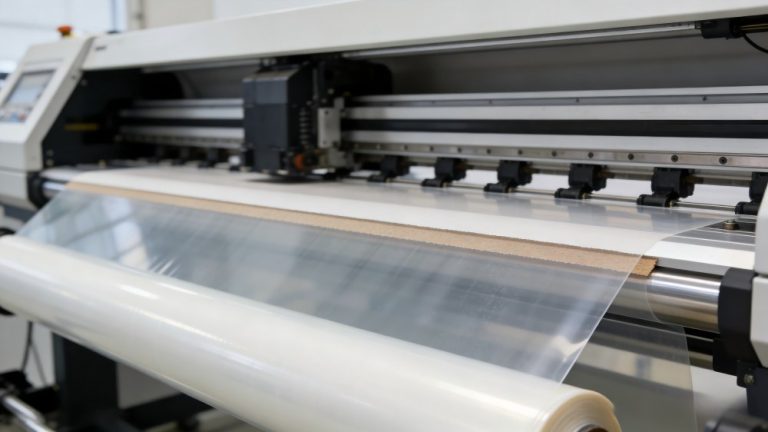
loss of transparency in solvent-free lamination

How to Improve Clarity in Solventless Lamination: Causes and Solutions

Solventless lamination stands out as the primary force of adoption in the field of flexible packaging due to advancing benefits, reduced costs of production, and faster production speeds. Nonetheless, maintaining the expected visual quality has been a challenge. Unlike solvent-based systems that allow film flows by solvent evaporation, solventless lamination systems depend on material flow/volume and how…

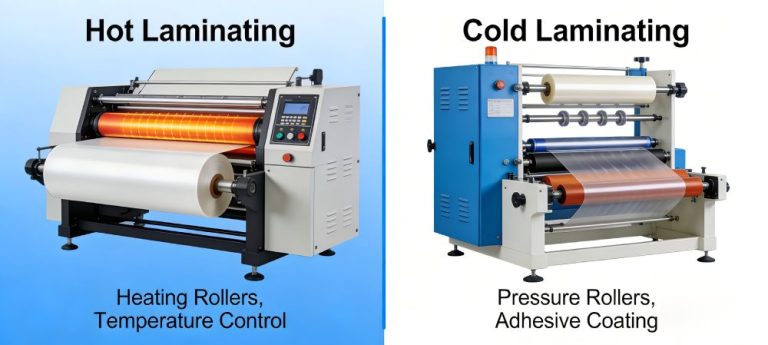
Hot vs Cold Laminating technology

Hot vs Cold Laminating Systems: Technical Analysis of Surface Protection

The process of lamination involves applying a thin plastic protective layer to a substrate, which consists of paper, cardstock, and synthetic media to enhance durability, moisture resistance, and visual clarity. The decision to select thermal or pressure-sensitive systems for industrial and professional printing environments represents an essential technical choice. This article provides a comprehensive comparison…

Adhesive Coating Machine

What Is the Ideal Adhesive Coating Weight for Liquid Packaging Lamination?

The safety of products and their durability and visual presentation depend on the laminated film quality used in liquid packaging. The adhesive coating weight serves as a key factor that determines whether the lamination process will succeed or fail. The packaging performance will experience major changes from even the smallest differences in this particular aspect….

lamination web tension control

Mastering Web Tension in Solventless Lamination Machines for Defect-Free Packaging

In today’s flexible packaging industry, the solventless lamination process has become the preferred solution for manufacturers seeking higher efficiency, lower VOC emissions, and improved sustainability. However, while solventless technology eliminates solvent drying systems, it significantly increases sensitivity to one critical parameter: web tension control. In a modern solventless lamination machine, adhesive coating weight is extremely low—typically…

SunLam QA-8000+HA450 solventless adhesive

SunLam QA-8000+HA450: High-Performance ULM Solventless Adhesive for Laminates

Sun Chemical showed off their newest eco-friendly packaging technology in early 2026: the SunLam QA-8000+HA450 solventless adhesive. This new adhesive uses ultra-low monomer (ULM) technology, which is a big step forward in solventless lamination. It works better than any other glue in high-temperature and chemically hostile conditions. SunLam QA-8000+HA450 sets a new standard for producers who…

solventless lamination adhesive

EU PPWR 2025/40 Guide for Solventless Lamination Adhesives

Every manufacturer prefers solventless lamination adhesive as it is more suitable for eco-friendly food hybrid packaging. It is very environmentally sustainable as well as high-powered, leading to a preference for producers who wish to lower the levels of volatile organic compound (VOC) pollution. However, the recent changes in the EU’s regulatory framework have brought with them…

Material-lamination

What Is The Difference Between Wet Lamination And Dry Lamination?

In the printing, packaging, labeling and composite materials industries, lamination processes almost run through all aspects of product appearance protection and performance improvement. Whether it is composite film for food packaging, book covers, promotional materials or functional films, the quality of lamination will directly affect the service life, visual effect and user experience of the…

End of content

End of content